


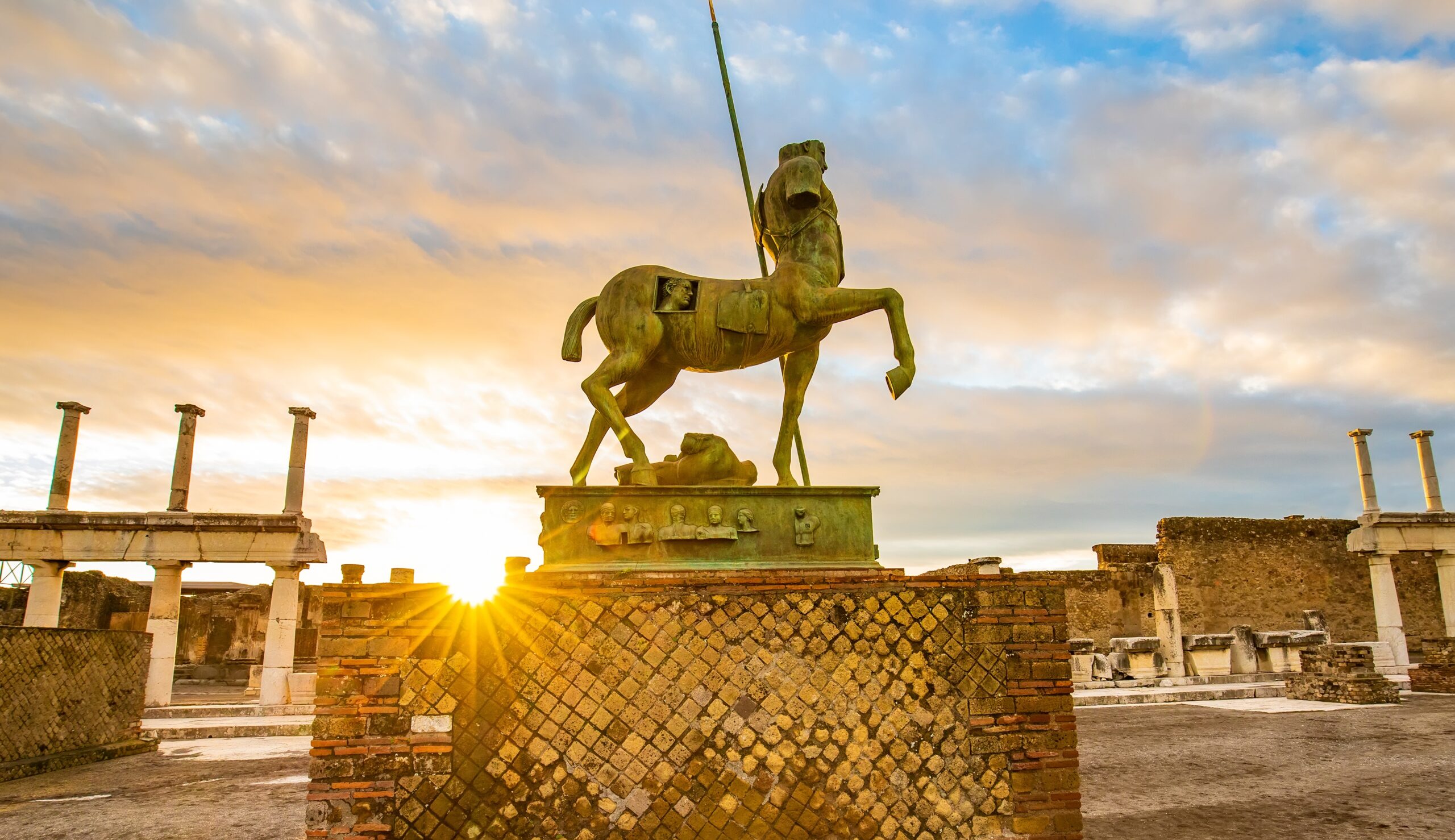
Step back in time and uncover the ancient wonders of Pompeii with Gray Line, where history comes vividly to life beneath the shadow of Mount Vesuvius. Preserved by the eruption of 79 AD, this remarkable UNESCO World Heritage Site reveals a snapshot of Roman life through its ancient streets, villas, frescoes, and iconic landmarks such as the Forum and Amphitheater. As you explore this extraordinary archaeological site, you will witness both the beauty and tragedy of a city frozen in time, all set against a dramatic volcanic backdrop. With Gray Line’s expert guides, uncover the stories, secrets, and daily life of ancient Pompeii for an unforgettable journey into Italy’s rich past.
Tour Expert, Gray Line Pompeii
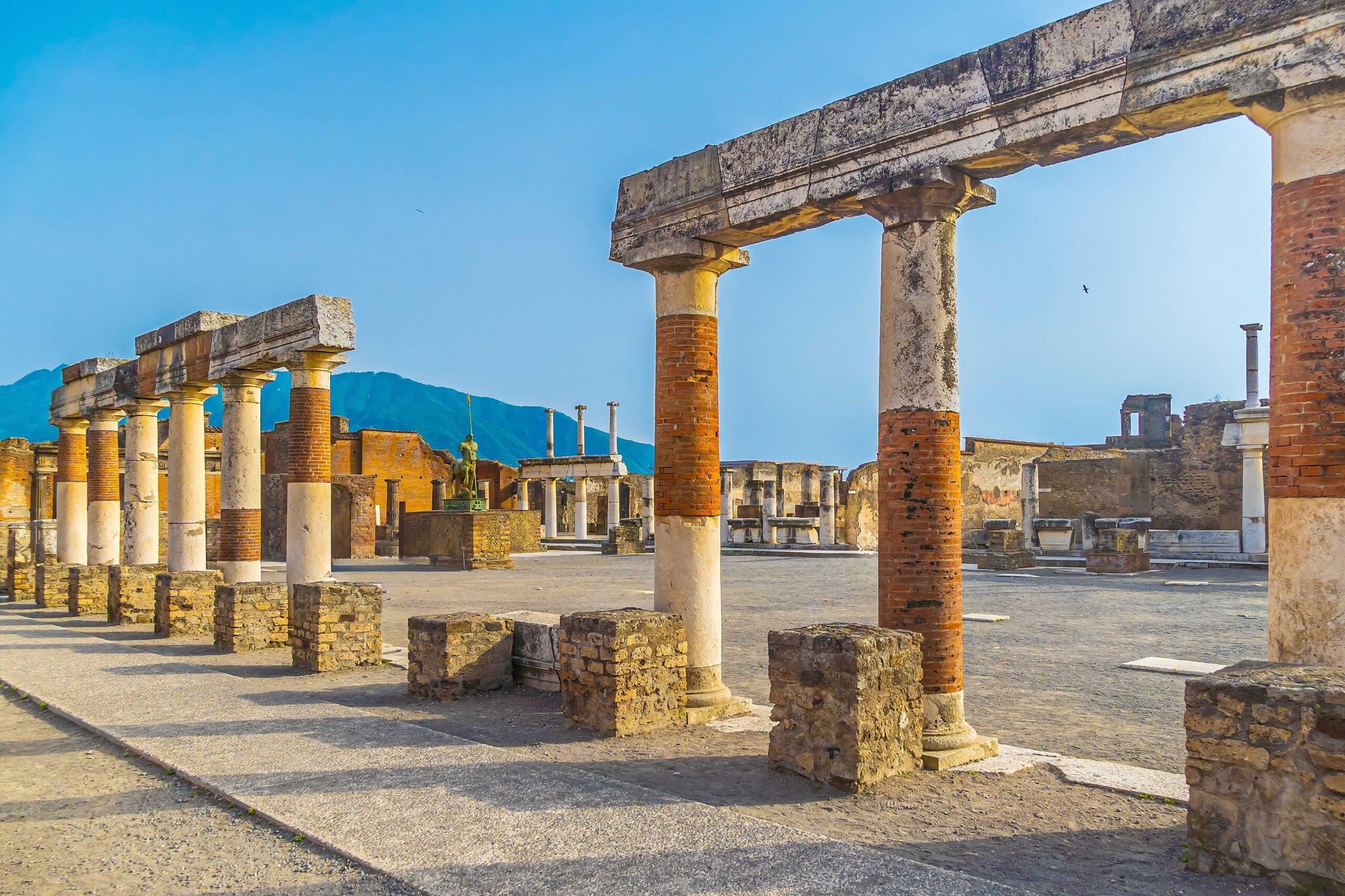
The Archaeological Park of Pompeii is one of the world’s most extraordinary open-air museums, offering a powerful glimpse into daily life in ancient Rome. Buried under ash after the eruption of Mount Vesuvius, the city has been remarkably preserved, revealing streets, homes, temples, and public spaces frozen in time. As you walk through this vast archaeological site, you will encounter detailed frescoes, ancient theaters, and the haunting remains of its residents, all set against the dramatic backdrop of the volcano. A UNESCO World Heritage Site, Pompeii is an unforgettable journey into history, culture, and resilience.
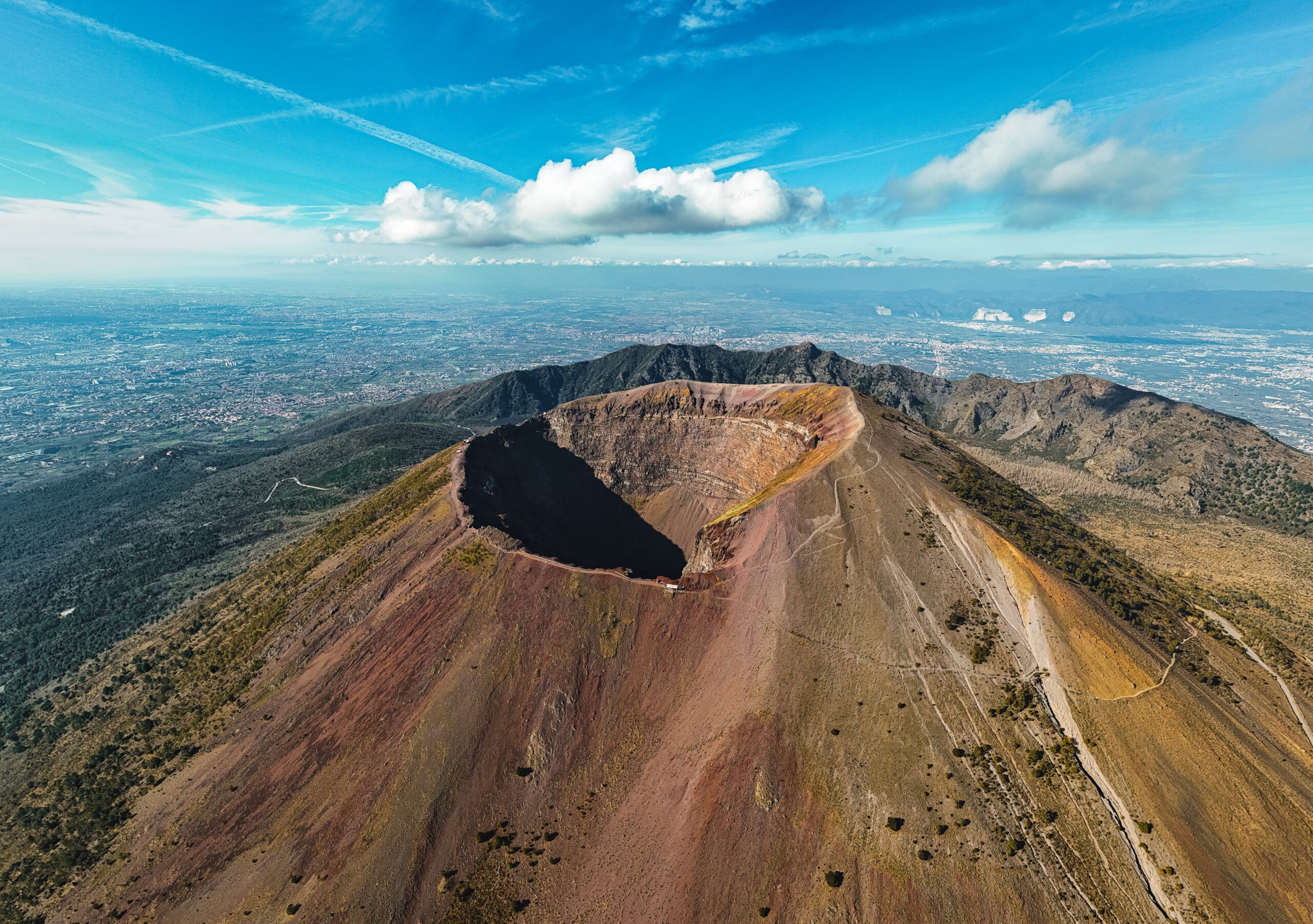
Mount Vesuvius is one of the world’s most famous and historically significant volcanoes. Known for its catastrophic eruption in 79 AD that buried Pompeii, Vesuvius offers visitors a rare opportunity to explore an active volcano up close. Hike to the crater’s edge and take in sweeping panoramic views of Naples, the coastline, and the surrounding countryside. With its dramatic landscapes, rich history, and powerful presence, Mount Vesuvius delivers an unforgettable experience where nature and history meet.

At the heart of Pompeii lies the Forum of Pompeii, once the vibrant center of political, religious, and social life in the ancient city. Surrounded by grand temples, basilicas, and public buildings, this expansive square was where citizens gathered to conduct business, celebrate events, and shape the future of their community. Today, visitors can walk among its impressive ruins and imagine the daily rhythm of Roman life, all set against the striking backdrop of Mount Vesuvius. A visit to the Forum offers a powerful connection to Pompeii’s past and the enduring legacy of ancient Rome.
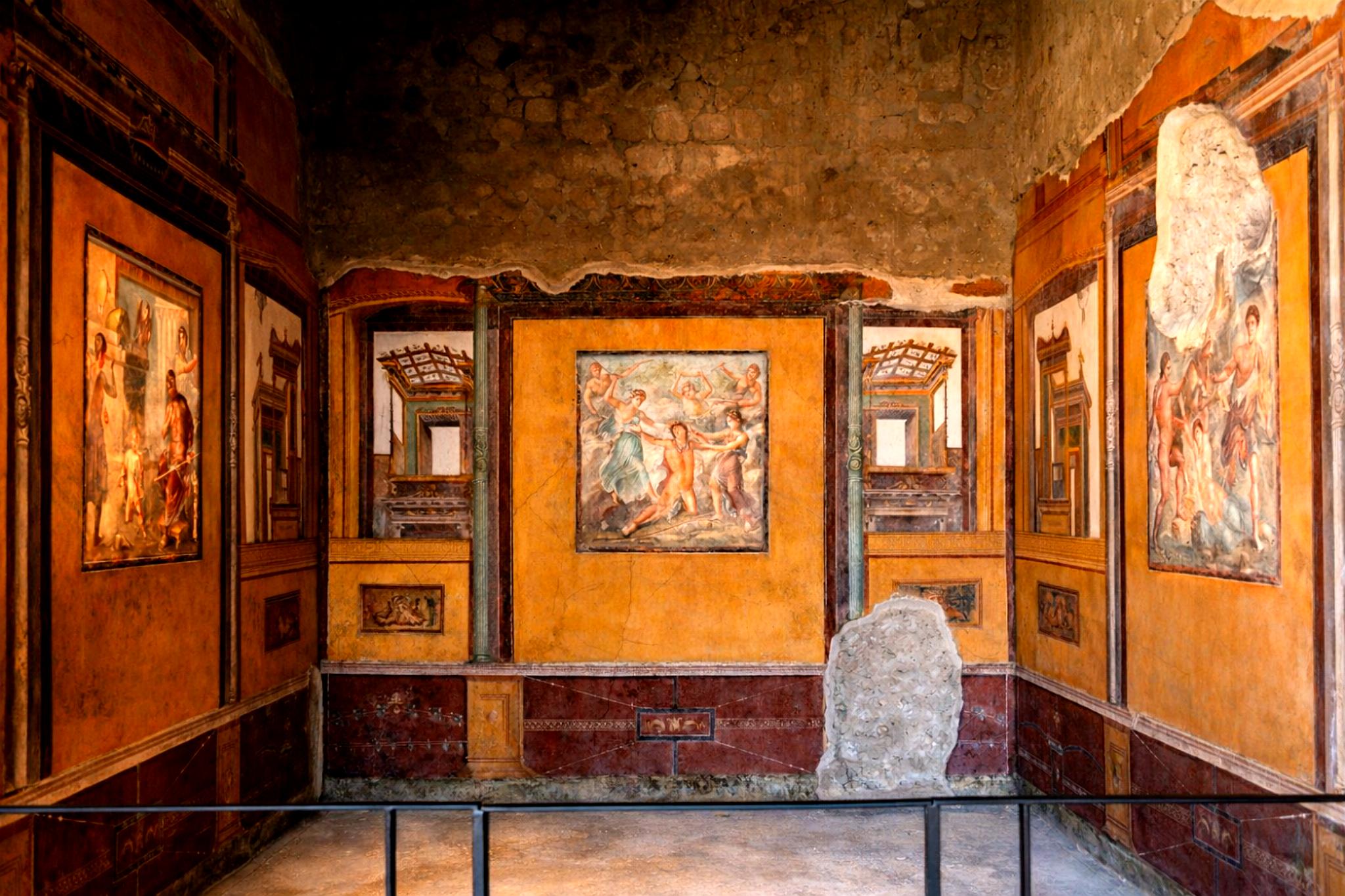
The House of the Vettii is one of the most beautifully preserved residences in Pompeii, offering a fascinating glimpse into the luxurious lifestyle of ancient Roman elites. Owned by two wealthy merchants, this grand villa is renowned for its richly detailed frescoes, elegant courtyards, and decorative fountains that reflect both artistic sophistication and social status. As you wander through its rooms, you will discover vivid mythological scenes and intricate designs that have survived for centuries, providing an intimate look into daily life before the eruption of Mount Vesuvius. It stands as a remarkable testament to Pompeii’s cultural richness and refined living.
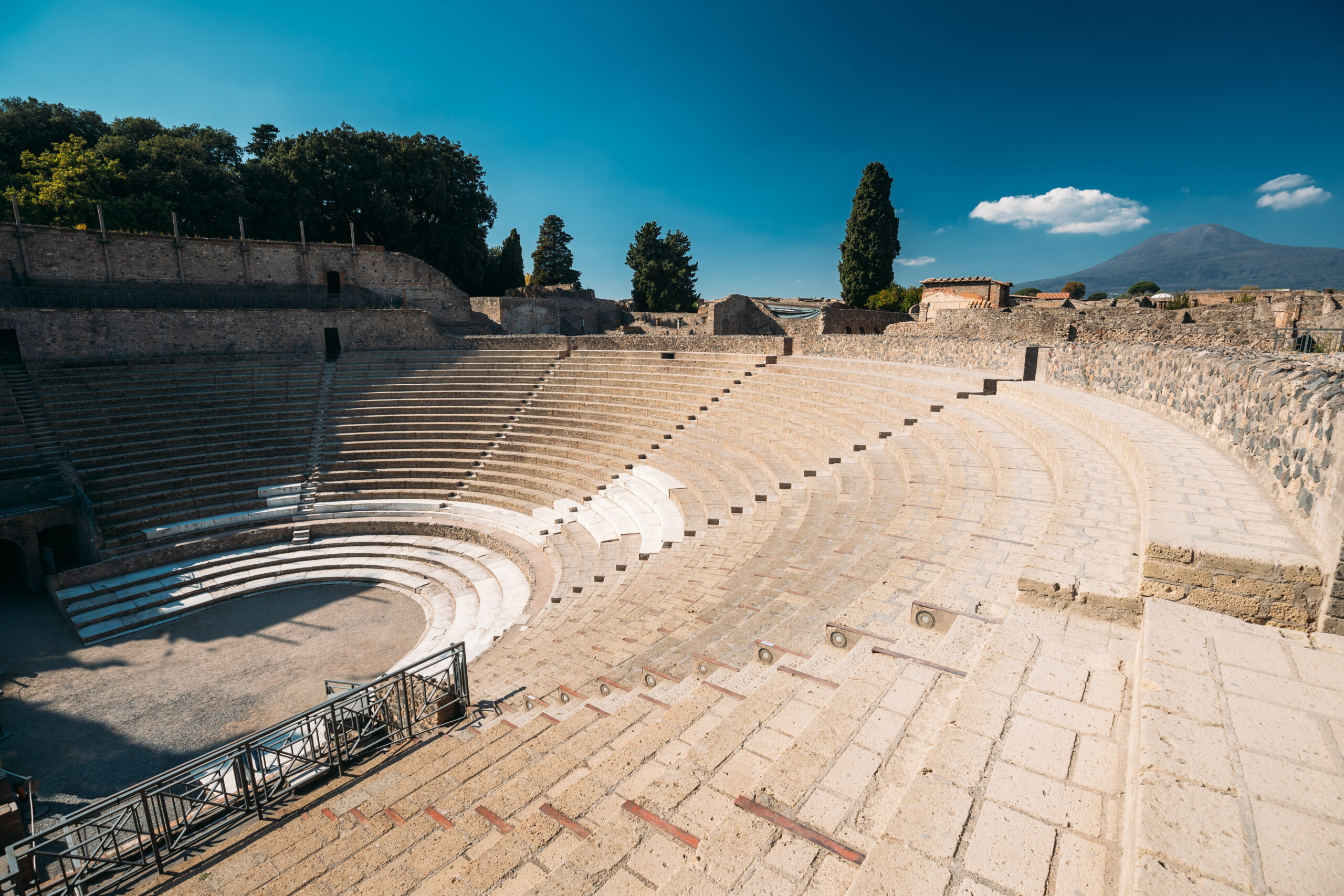
The Great Theatre of Pompeii is one of the city’s most impressive cultural landmarks, where ancient Romans once gathered for drama, music, and live performances. Carved into a natural hillside, this grand amphitheater could accommodate thousands of spectators and was designed with remarkable acoustics that still impress visitors today. As you sit among its stone tiers, you can imagine the vibrant atmosphere of theatrical productions that once brought the city to life. Set within the ruins of Pompeii and under the shadow of Mount Vesuvius, the Great Theatre offers a powerful connection to the artistic and social life of ancient Rome.
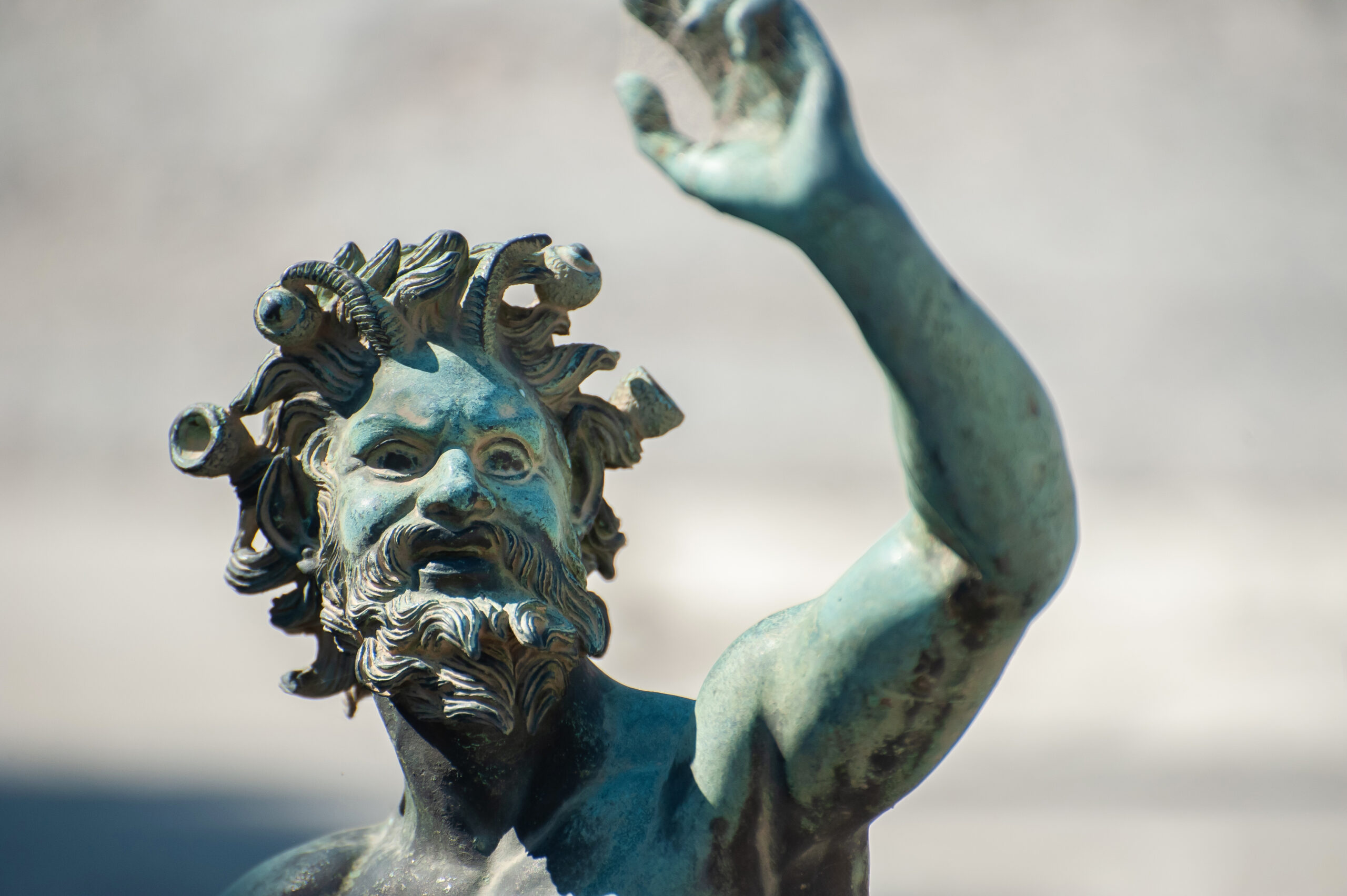
The House of the Faun is one of the largest and most luxurious residences in Pompeii, offering a remarkable glimpse into the wealth and sophistication of ancient Roman society. Named after its iconic bronze statue of a dancing faun, this grand villa features expansive courtyards, intricate mosaics, and elegant architectural design. Among its highlights is the famous Alexander Mosaic, a masterpiece that reflects the artistic excellence of the time. As you explore its vast rooms and open spaces, you will step into a world of refinement and culture that once thrived before the eruption of Mount Vesuvius, making it one of Pompeii’s most captivating historical sites.
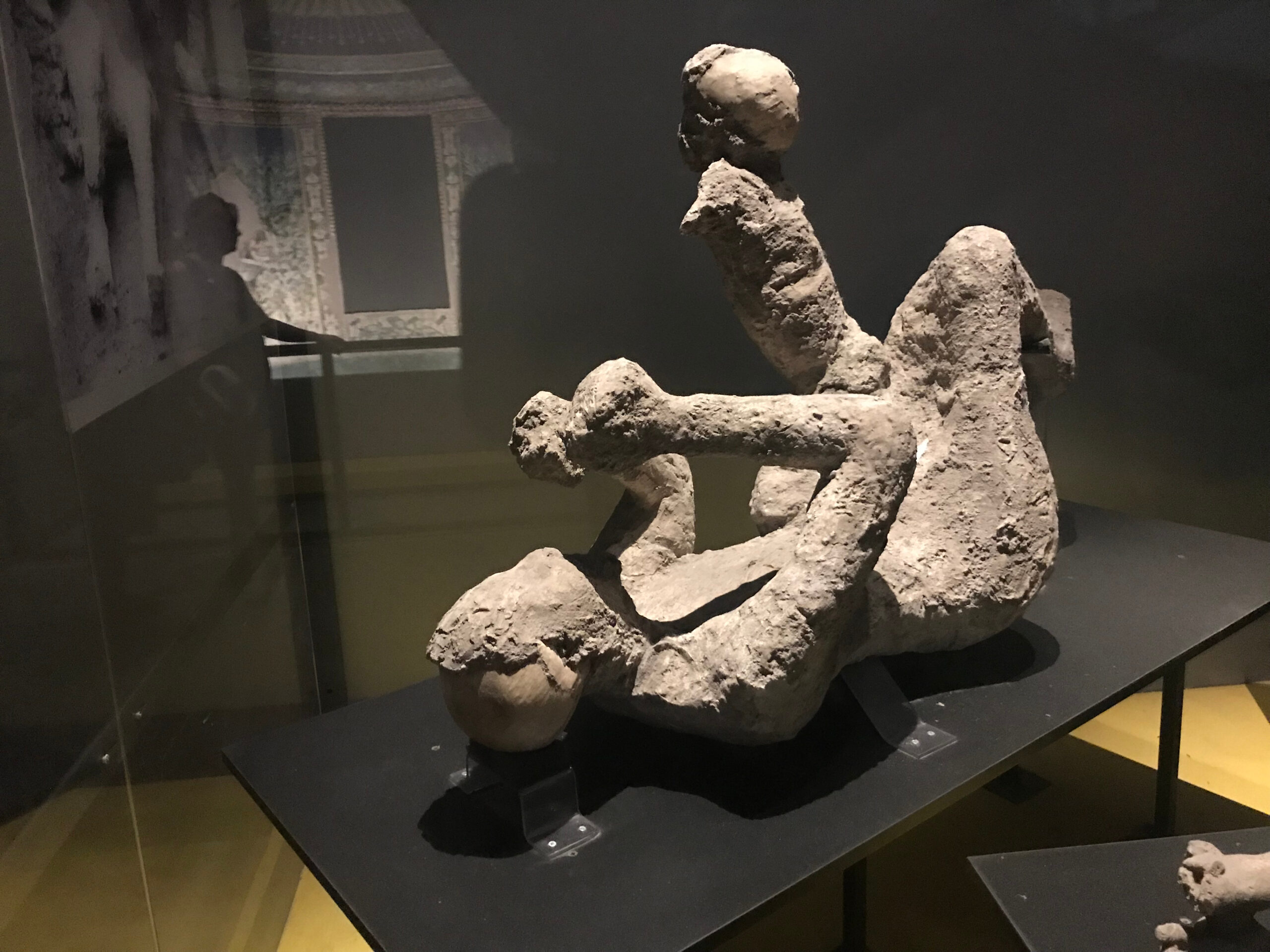
The plaster casts of Pompeii offer one of the most moving and powerful experiences within the ancient ruins. Created by filling the voids left in volcanic ash with plaster, these casts preserve the final moments of the city’s residents during the eruption of Mount Vesuvius in 79 AD. Each figure captures raw human emotion - fear, hope, and resilience - frozen in time. As you walk among them, you gain a deeply personal connection to the tragedy that unfolded, making this haunting yet essential part of Pompeii’s story unforgettable.

The Temple of Apollo Pompeii is one of the oldest and most significant religious sites in Pompeii, dedicated to the powerful god Apollo. Located near the city’s forum, this sacred complex once served as a center of worship, featuring grand columns, altars, and statues that reflected the importance of religion in daily Roman life. Today, visitors can admire its impressive ruins and imagine the rituals and ceremonies that once took place here, all set against the dramatic presence of Mount Vesuvius. It offers a fascinating glimpse into the spiritual traditions and architectural grandeur of ancient Pompeii.
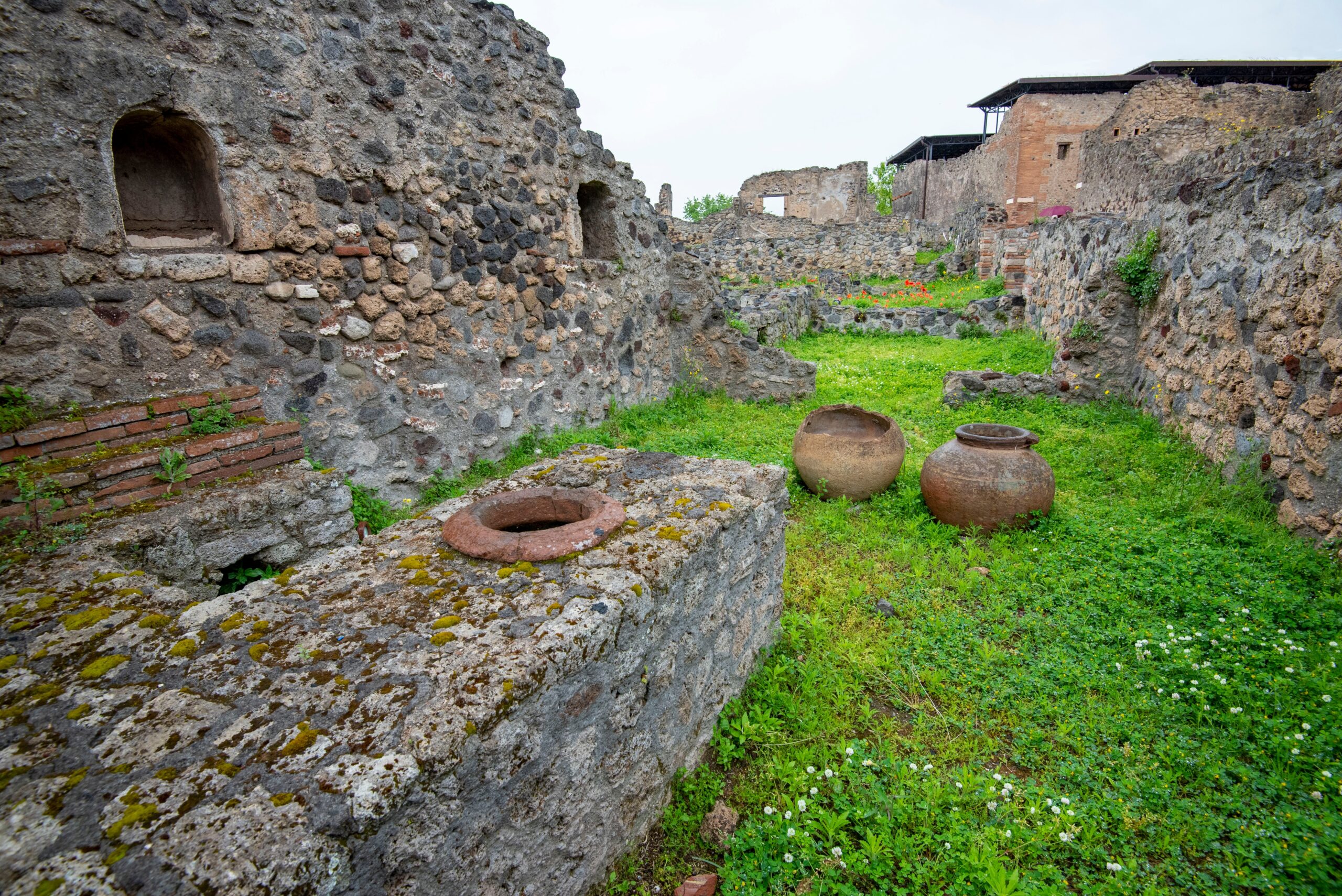
The Pompeii Thermopolium offers a fascinating glimpse into everyday life in Pompeii, serving as an ancient version of a street food counter. Here, locals once gathered to enjoy ready-to-eat meals and drinks, making it a lively social hub of the city. Remarkably well preserved, the thermopolium features colorful frescoes and built-in clay jars that once held food and wine. As you explore this unique site, you can imagine the sights, sounds, and flavors of daily Roman life just before the eruption of Mount Vesuvius, offering a vivid and relatable connection to the past.
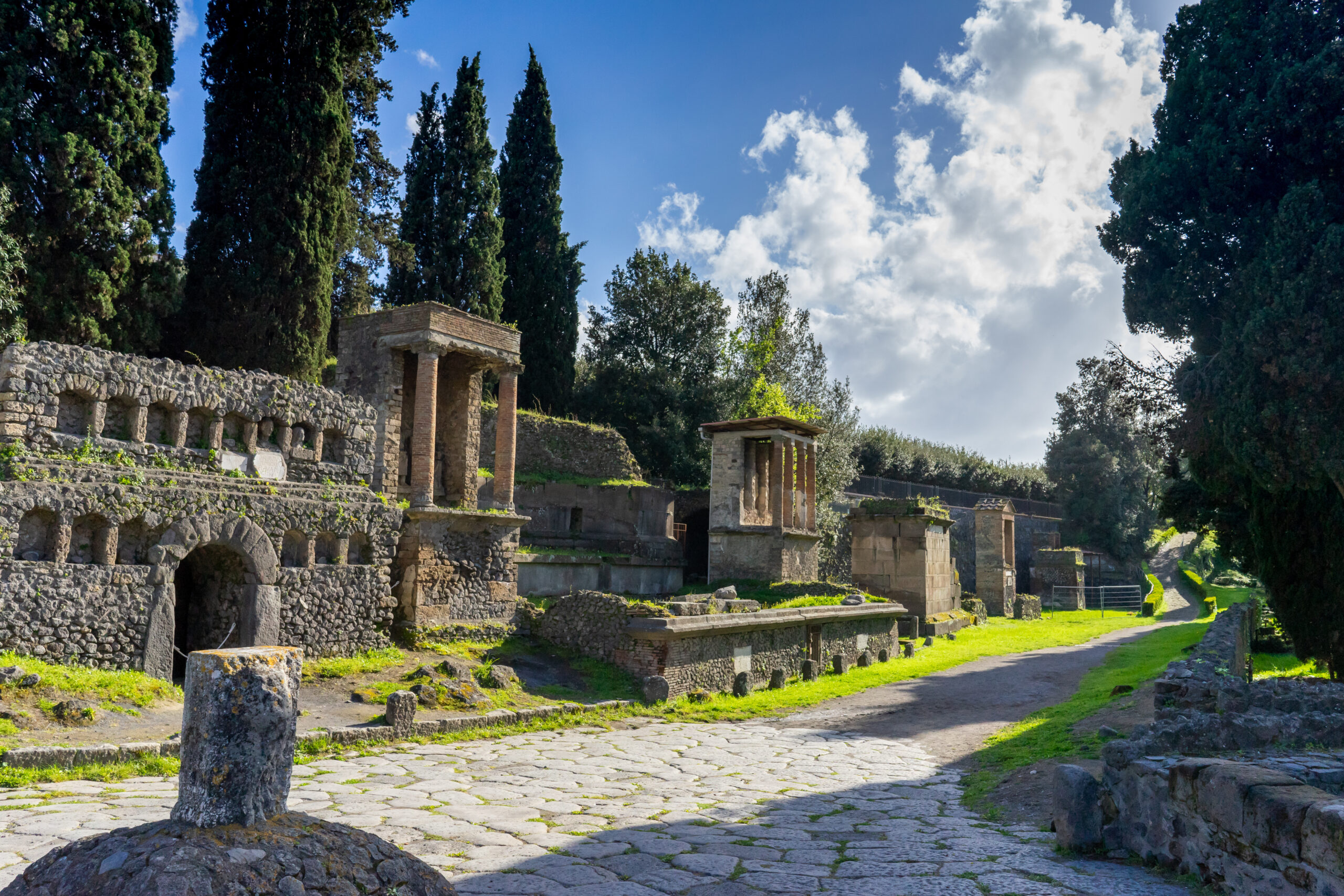
The Necropolis of Porta Nocera offers a poignant glimpse into the funerary traditions of Pompeii. Located just outside one of the city’s main gates, this ancient burial ground is lined with tombs and monuments that once honored the lives of Pompeii’s citizens. Each structure reflects social status, beliefs, and personal stories, providing valuable insight into Roman customs surrounding death and remembrance. As you walk along this solemn path, set against the backdrop of Mount Vesuvius, you will experience a quiet yet powerful connection to the people who once called Pompeii home.


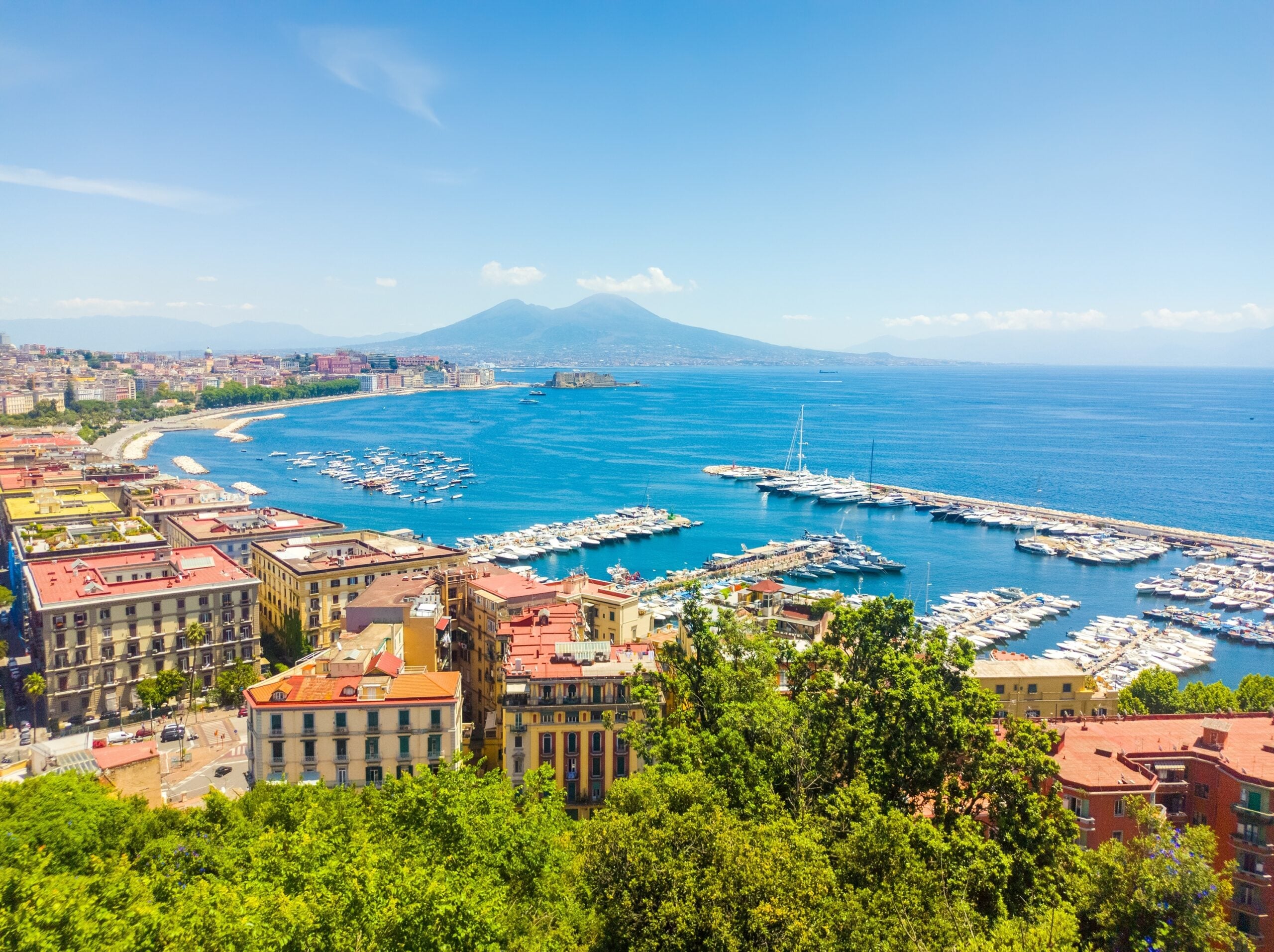
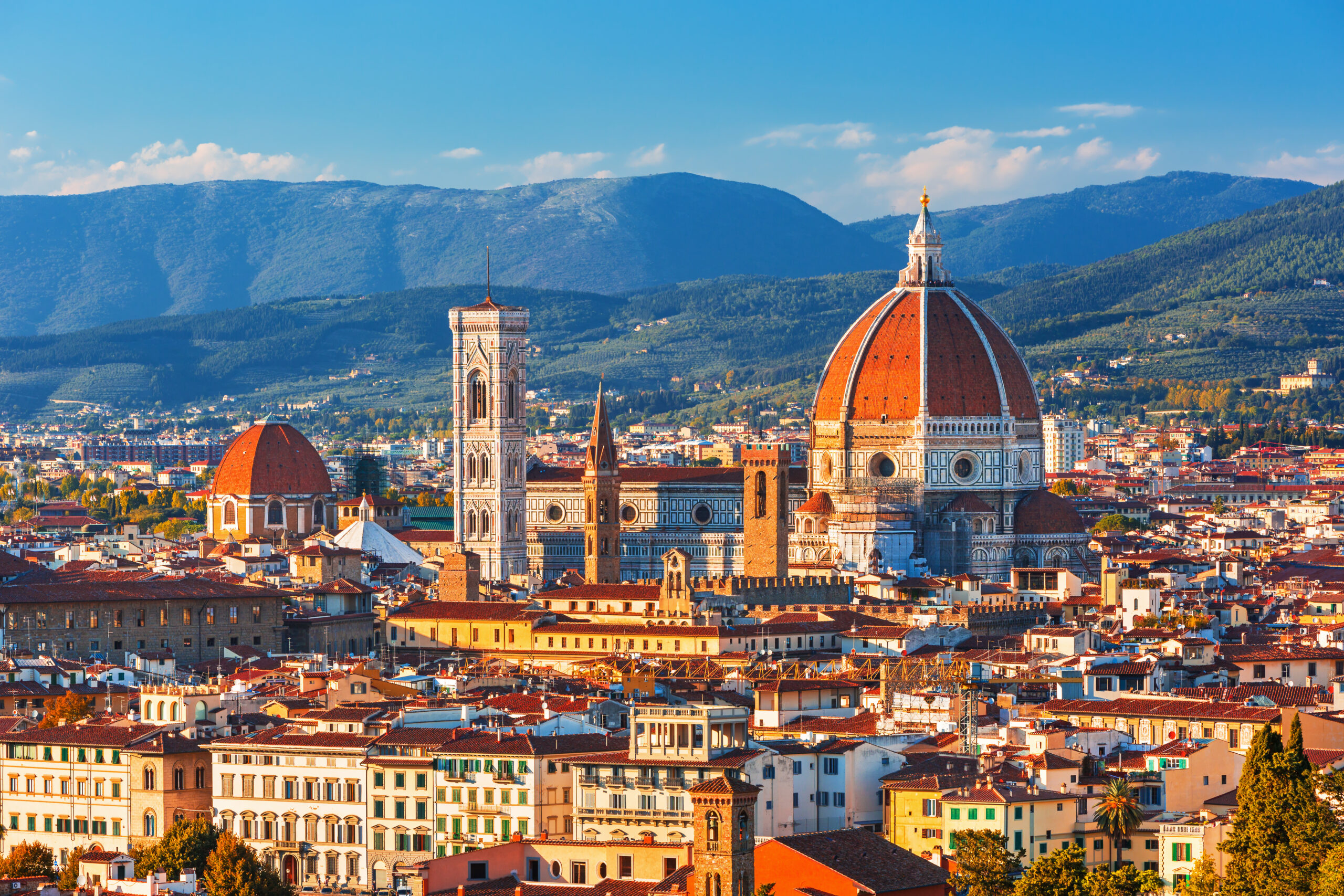

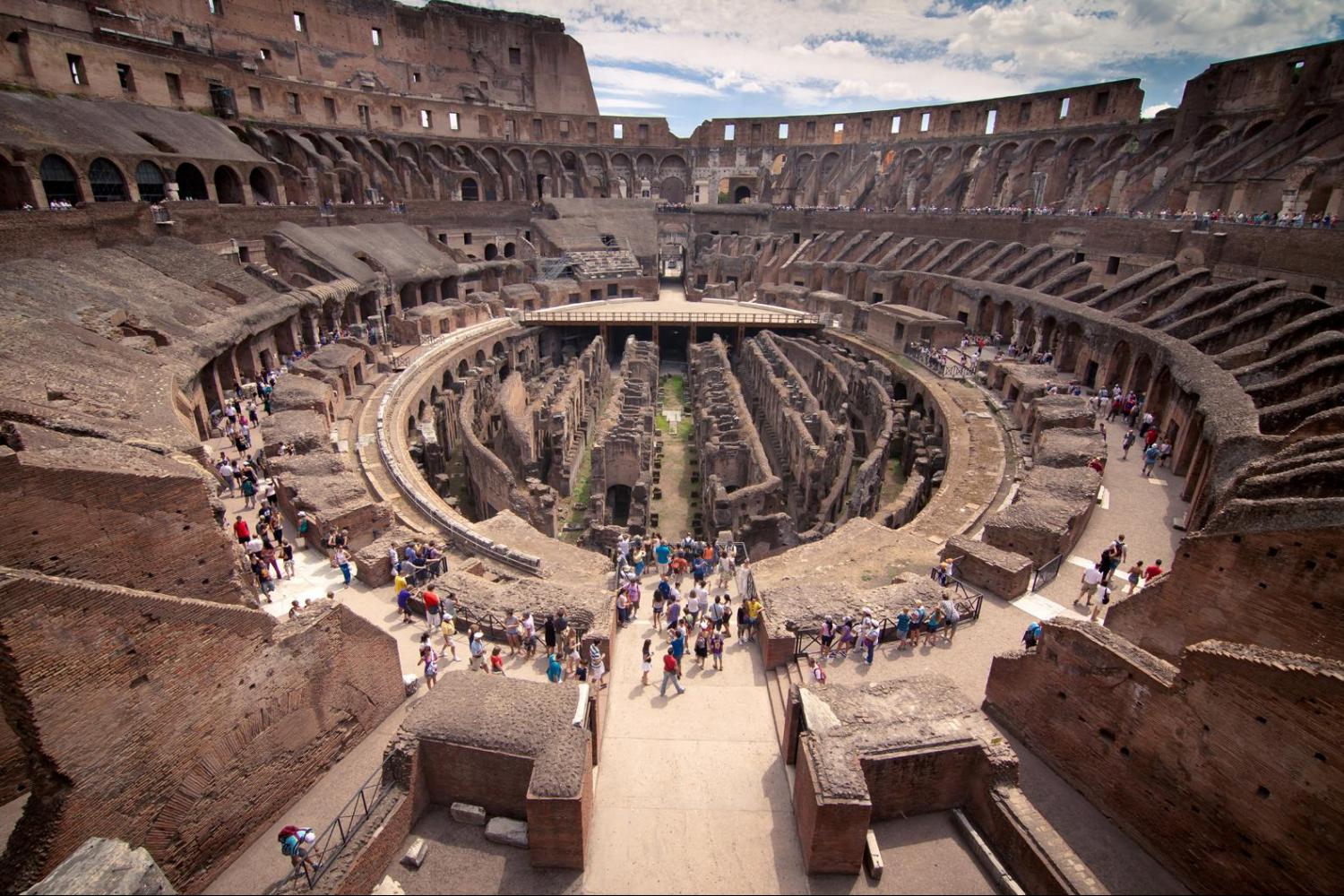



Florence brings Renaissance masterpieces, magnificent architecture, Tuscan cuisine, and centuries of history together wit[...]
Florence Italy

A great beach vacation is about more than sun, sand, and crystal-clear water. The best beach vacation destinations combin[...]
Canada croatia Dominican Republic
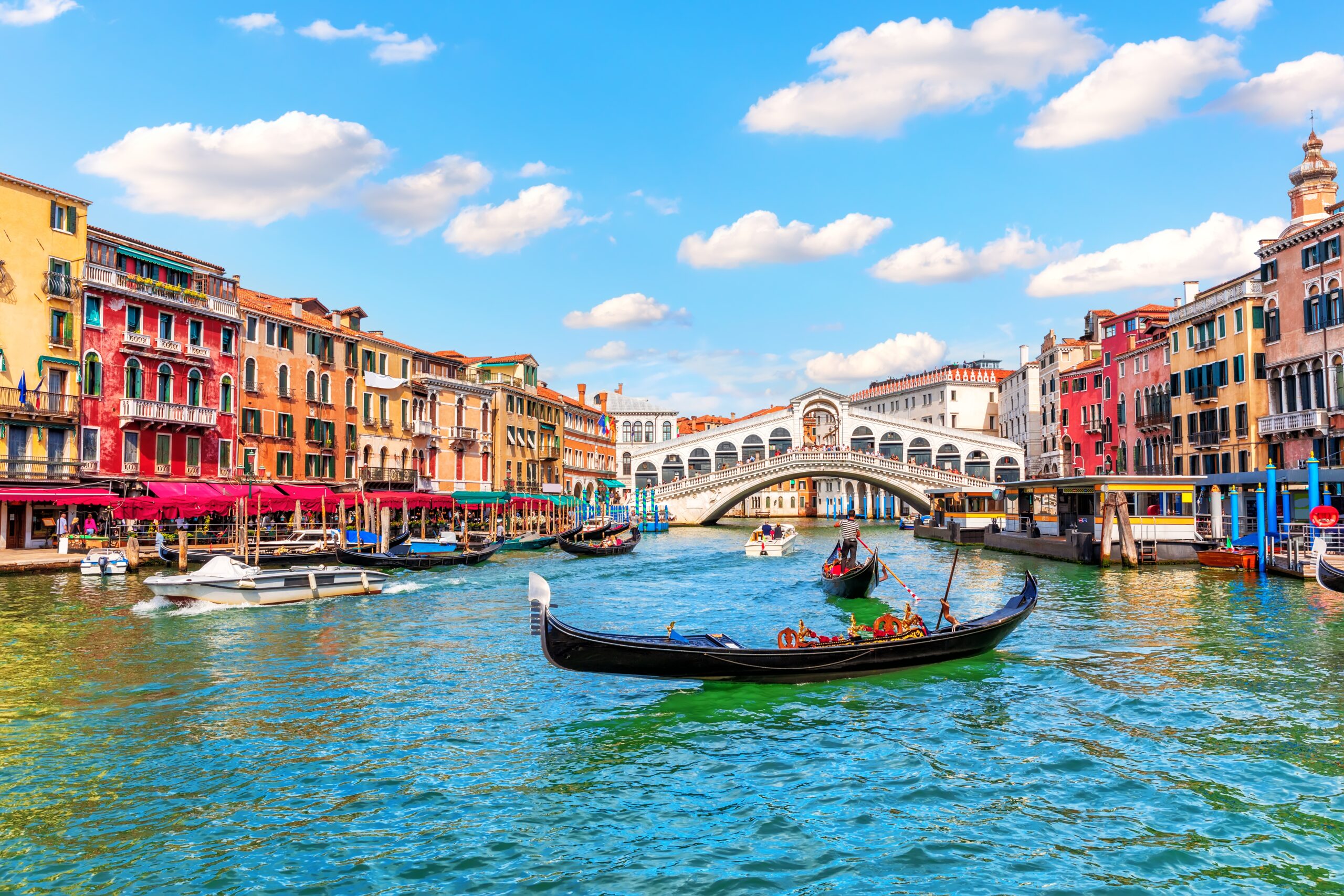
Venice is famous for its romantic canals, historic architecture, and timeless charm. However, beyond the gondolas and pia[...]
Italy Venice

A day well spent!
Easy to reserve.
Good value and vey enjoyable
Our tour date needed to change. Grayline gave us several options and was easy to communicate with.
You have to do it!
Very easy.