


Called Luzern in German, Lucerne is a city located in central Switzerland on the shores of the late of the same name. Settled by the Celts and later engulfed into the Roman Empire, the word “Lucerne” is believed to derive from the Latin word “lucerna” (meaning “lamp”) and possibly refer to a monastery or place of light. The first documented mention of the city dates back to 840 AD, but Lucerne had become a critical trade center connecting northern and southern Europe by the 12th century. In 1332, Lucerne became a member of the Swiss Confederation - a defensive alliance of several cantons - that helped protect it from external threats and contributed to its continued growth. Having remained neutral along with all of Switzerland during the World Wars, Lucerne is today known for its historical charm, cultural events, and modern amenities.
Tour Expert, Gray Line Lucerne
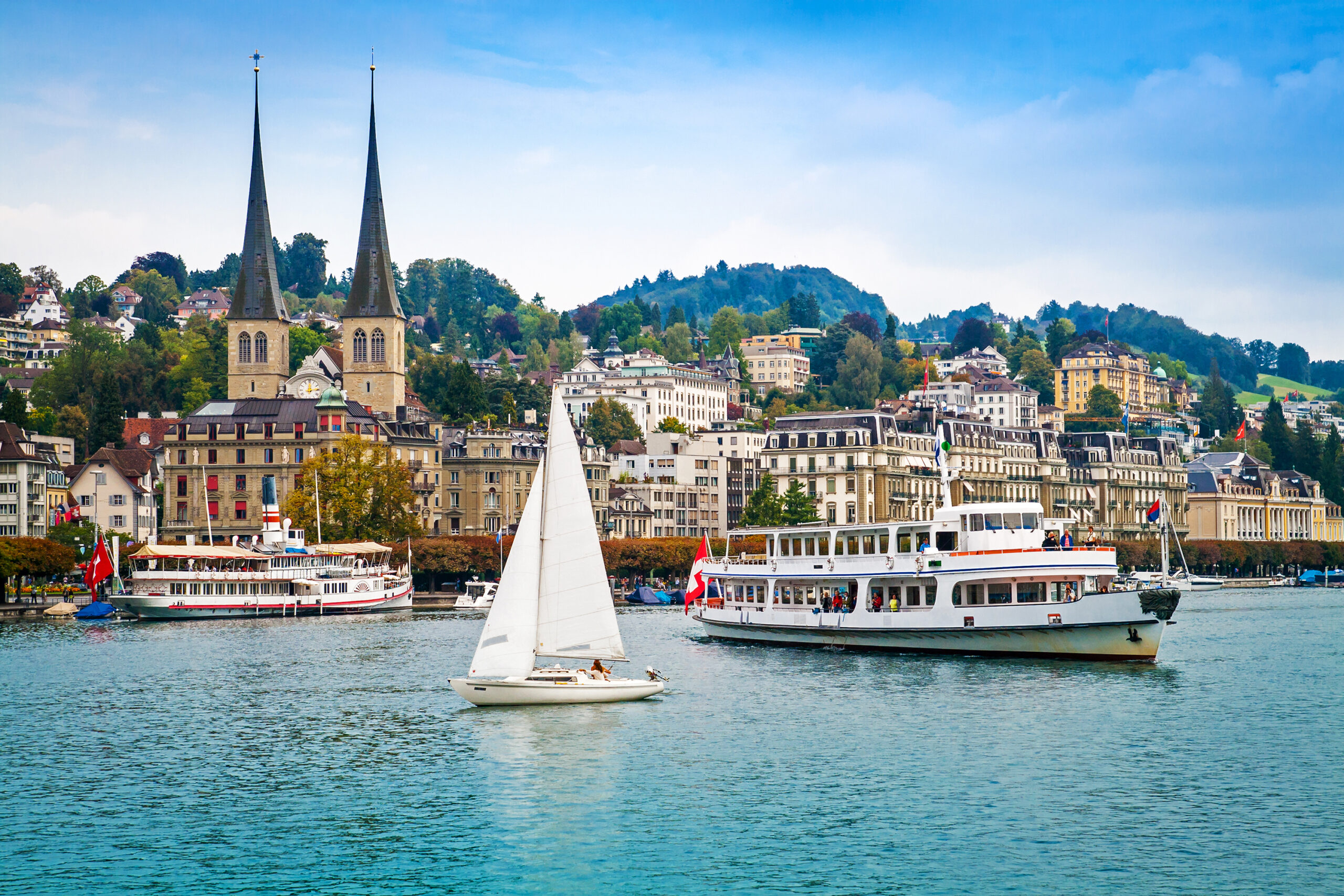
Formed during the last Ice Age, Lake Lucerne is a haven for outdoors and watersports enthusiasts from all over the world. Take a scenic boat ride on the lake while getting one-of-a-kind views of the surrounding Alps and villages. Various types of excursions are typically available, including paddle steamers and luxury boat rentals. If you’re not a huge fan of the water, plan a hike along the Swiss Path or a more challenging outing to nearby mountains like Pilatus and Rigi. During the winter, you can still enjoy nearby ski resorts and local Christmas markets along the shores of the lake.
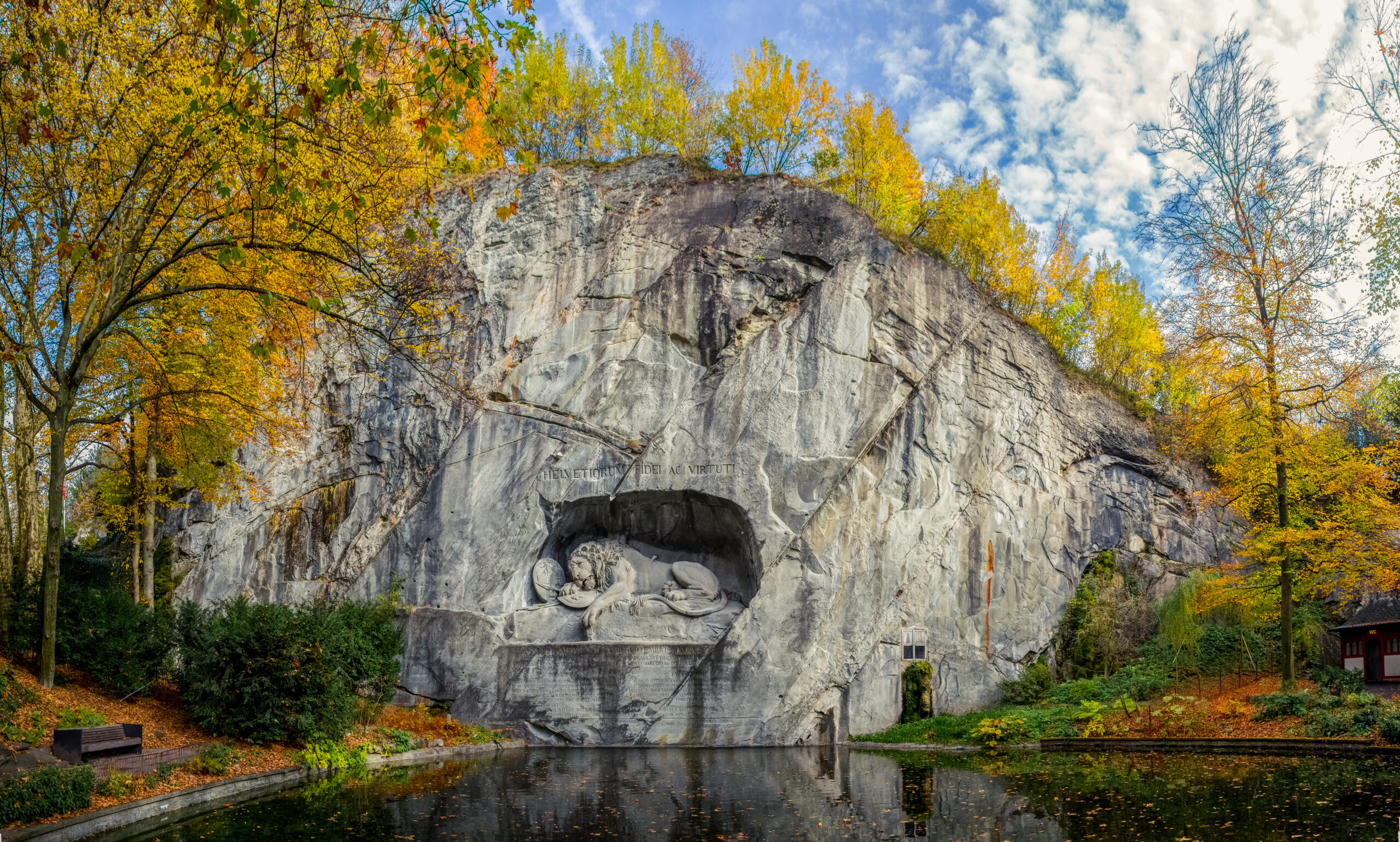
Unveiled by the Danish sculptor Bertel Thorvaldsen in 1821, the Lion Monument is a famous sculpture near Lucerne’s city center that depicts a dying lion symbolic of bravery and loyalty. The monument commemorates the Swiss Guards killed during the French Revolution of 1792 while defending the Tuileries Palace in Paris. The lion is shown with a spear embedded in its side while it rests on a shield bearing the emblem of the Swiss Guards. It’s often described as one of the most emotionally poignant monuments in the world and attracts thousands of visitors a year. Most guided walking tours of Lucerne will feature at least one stop at the can’t-miss Lion Monument.
Easily one of the most iconic landmarks in the city, the Chapel Bridge in Lucerne was built in the 14th century as part of a fortification system. It was named after nearby St. Peter’s Chapel and is made up of triangular wooden trusses that span approximately 870 feet across the Reuss River. The interior of the bridge is adorned with paintings depicting Lucerne’s history and the life of Christ. In 1993, the bridge was damaged in a significant fire and lost many of its original paintings. However, reconstruction efforts have again made Chapel Bridge a fully functional pedestrian walking zone. Don’t miss photo opportunities along this internationally renowned crossing!

Lucerne’s “Altstadt” or Old Town is an area known for well-preserved medieval architecture, cobblestone streets, and a lively atmosphere. Established as a small fishing village in the 8th century, Lucerne evolved into a major economic powerhouse while Old Town allowed fishers, traders, and newcomers to mingle. Adjacent to the Chapel Bridge, an octagonal Water Tower has looked down on the area for centuries while simultaneously serving as both a prison and treasury. Old Town’s primary square is Weinmark, which is bordered with an array of colorful frescoed buildings including the Rathaus (Town Hall) and various guild houses. Don’t miss a visit to the Rosengart Collection, a museum that features works by Picasso and other artists.
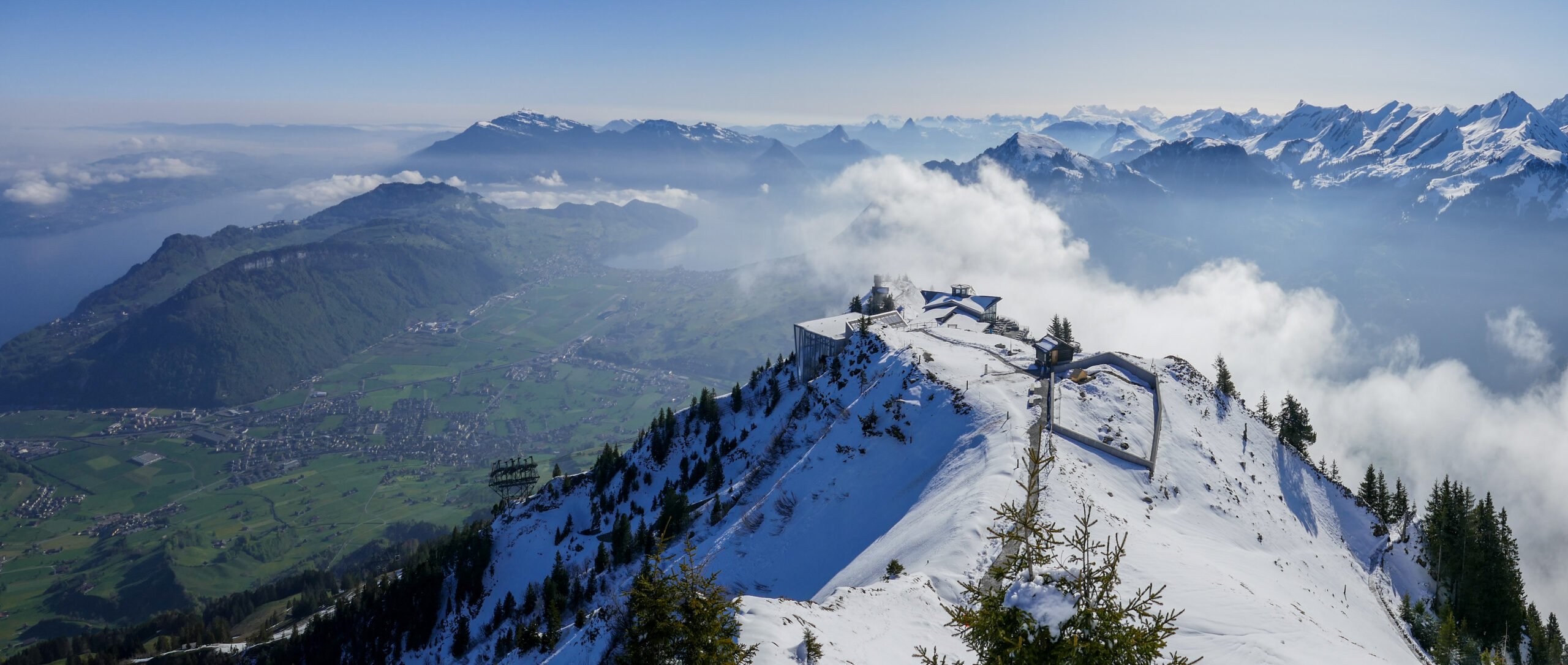
Set out from Lucerne to conquer the Alps (well, at least a portion of them) with a trip to Mount Pilatus and Mount Rigi. The former is accessible via the world’s steepest cogwheel cable car. Mount Pilatus offers truly jaw-dropping views of Lake Lucerne, the surrounding mountains, and the Bernese Alps on clear days. For centuries, Pilatus has been associated with a legend regarding dragons. Similarly, Mount Rigi is known as the “Queen of the Mountains” for a reason. About 1,798 meters tall, the summit offers a one-of-a-kind opportunity to watch a sunset on top of the world. After your adventure, relax at one of the area’s many natural thermal hot springs.
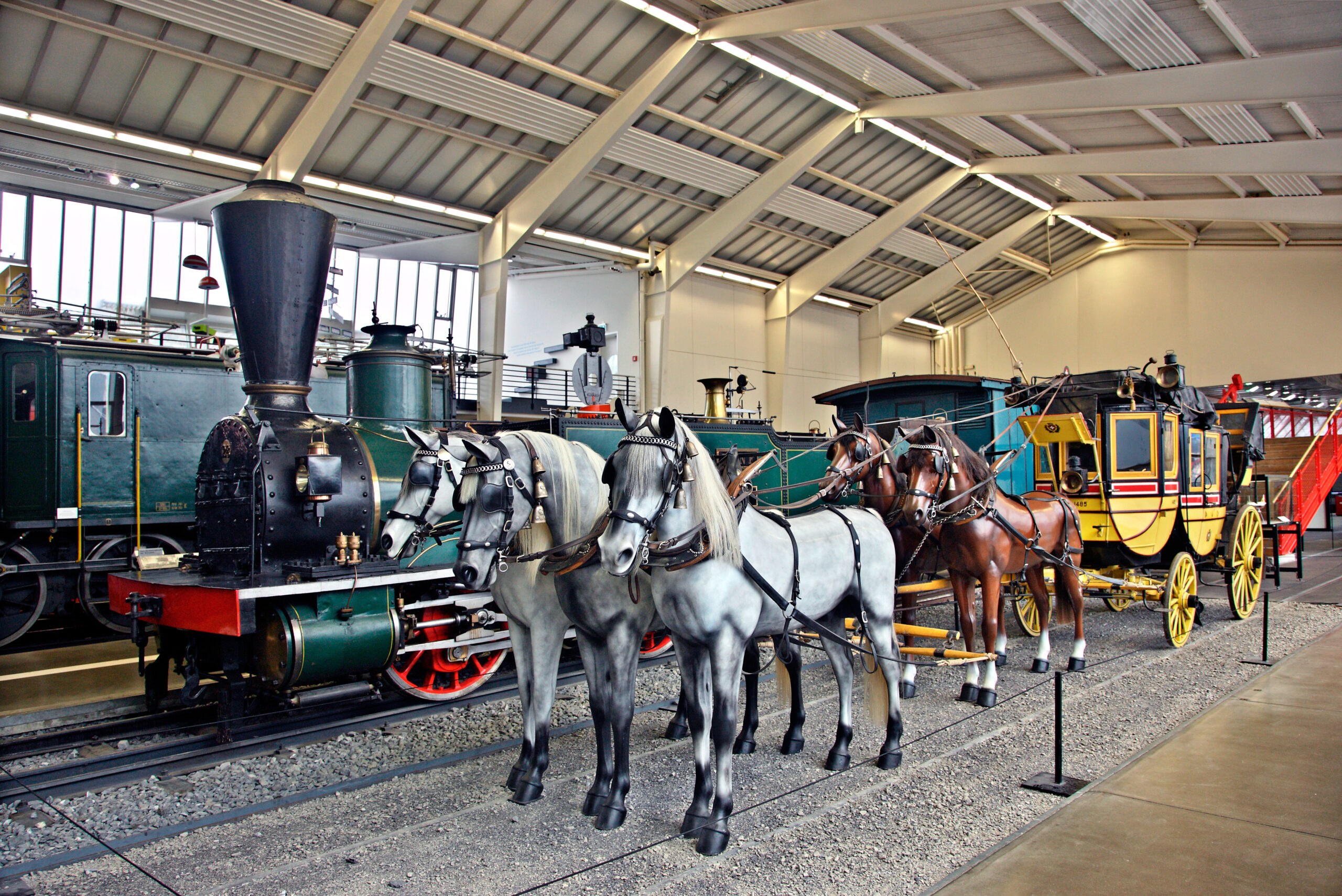
A museum dedicated to the history of transportation, the Swiss Museum of Transport features a wide range of exhibits related to various ways to “get around.” View the institution’s comprehensive collection of trains, including historic locomotives and carriages. Aviation, automobiles, shipping, and even space travel have dedicated displays that depict other innovators and creations. For guests young and old alike, try out one of the museum’s many activities, including a popular exhibition that lets visitors take the driver’s seat in a train or aircraft. Before you leave, visit the onsite planetarium, cafe, or shop!
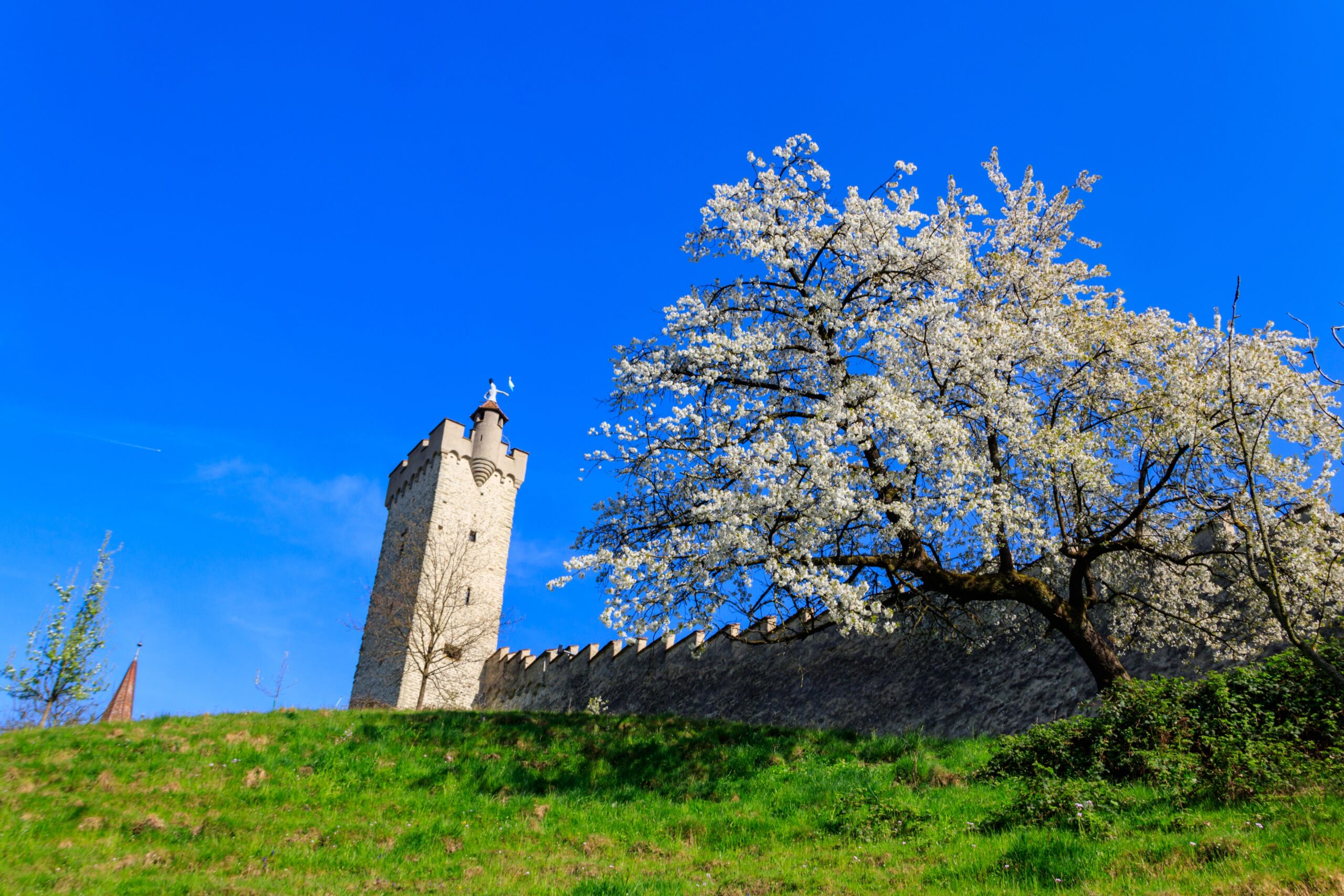
A highly significant historical structure for Lucerne and visitors the world over, the Musegg Wall is a well-preserved part of the city’s fortifications dating from the Middle Ages. Built in the late 14th century, the man-made barrier was intended to keep Lucerne safe from potential invasions, including by the Habsburg dynasty. The wall stretches about 870 meters and runs along the northeastern edge of Lucerne’s Old Town. With several towers along its route, the Musegg Wall is home to a large clock on the Zyt Tower, a small museum of artifacts at the Schirmer Tower, and the holding cells for women accused of witchcraft in the Witch Tower. Parts of the Musegg Wall are accessible to the public, and guests can walk along the ramparts (when doing so is deemed safe and local laws are followed).
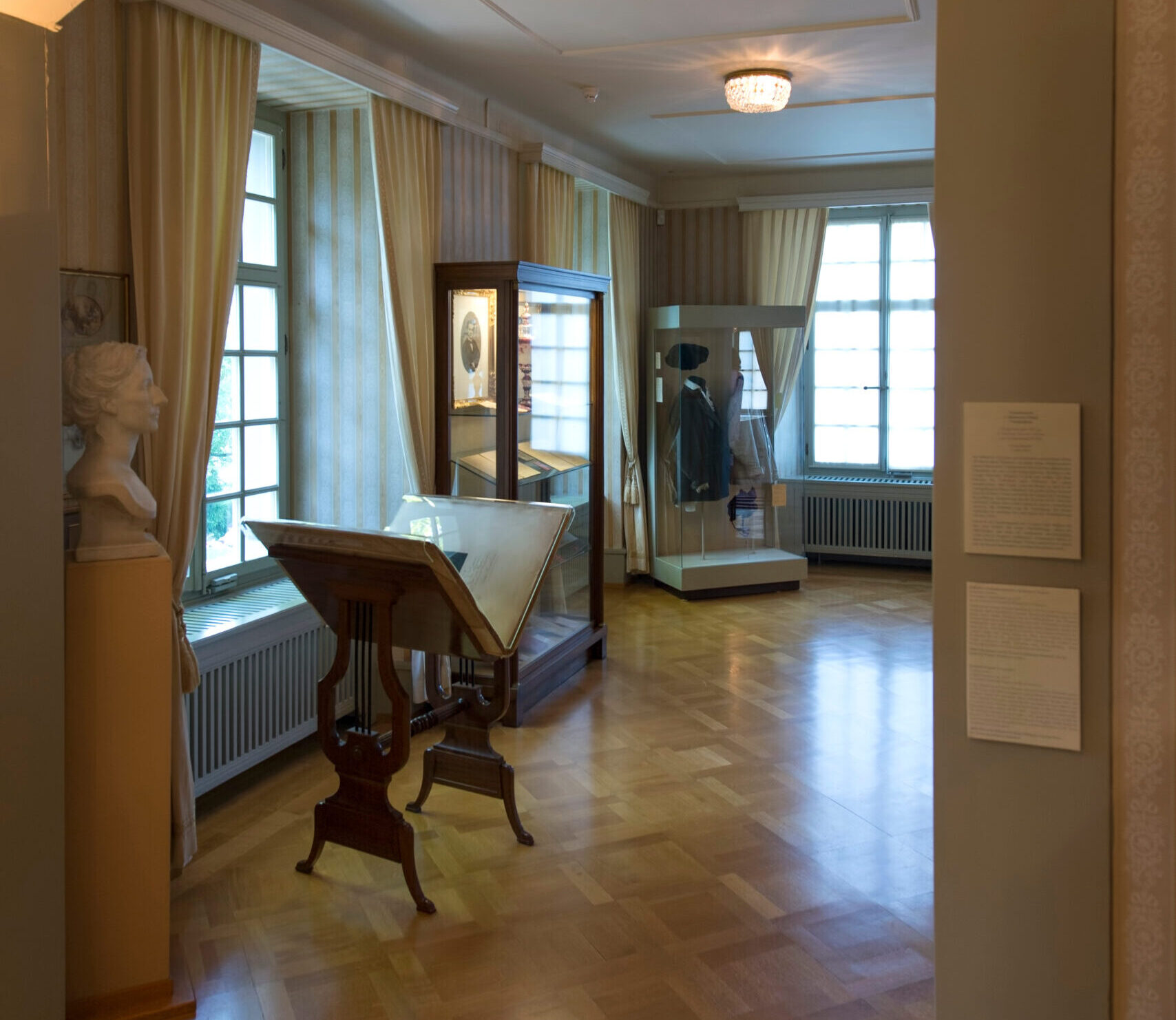
Found along the shores of Lake Lucerne, the Richard Wagner Museum is housed in the former residence of composer Richard Wagner, who lived there from 1866 to 1872. Wagner is a mainstay for classical music aficionados because of his famous works, several of which were conceived at this spot. The Richard Wagner Museum has many permanent exhibits that details his life, operas, and impact on music history. For book lovers, Wagner’s library is a ‘can’t miss’ portion of the house that holds a collection of rare books and manuscripts. Book a guided tour to get some more insight into the life and times of this extraordinary creative!
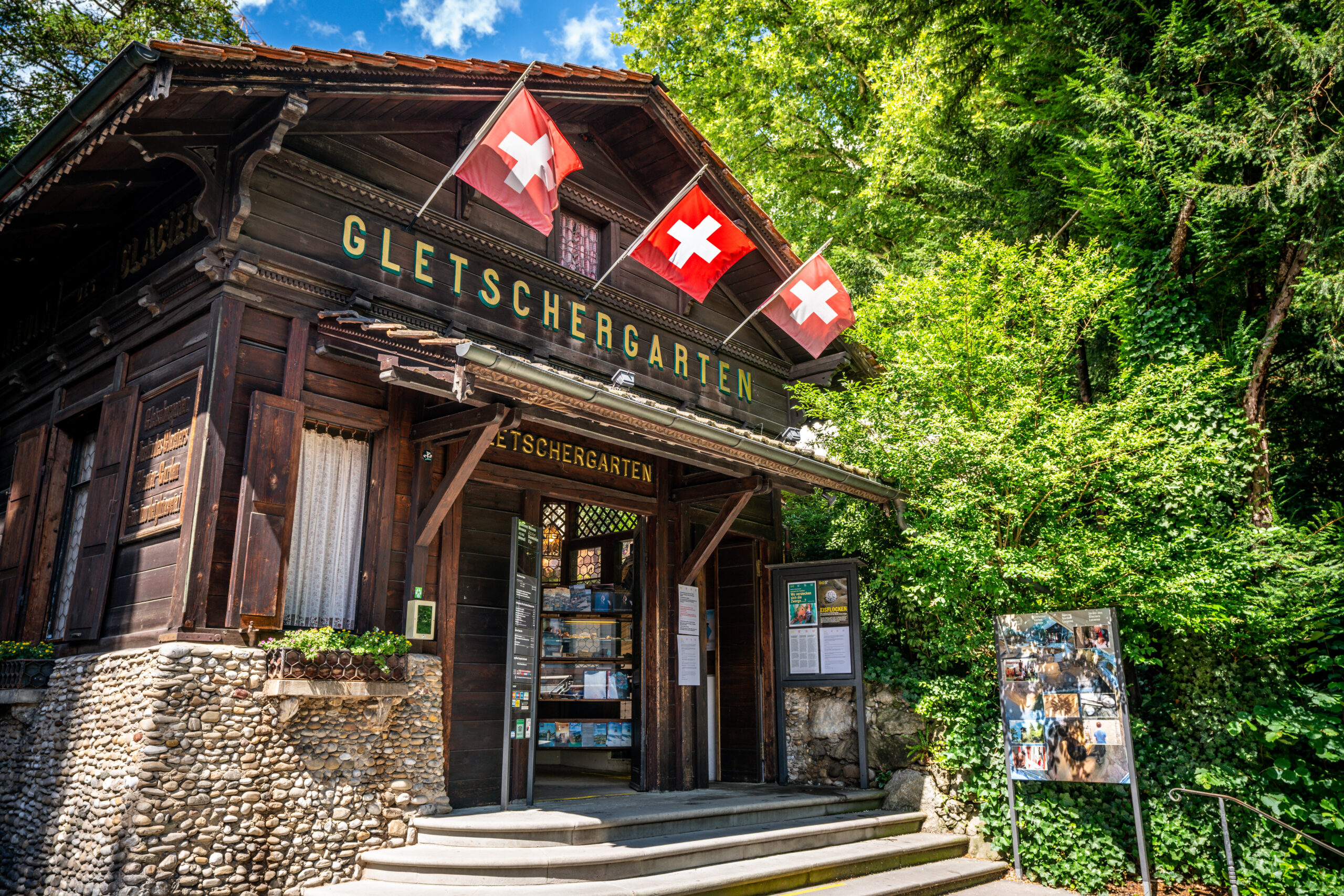
Officially opened to the public in 1873, Glacier Garden showcases the natural history and geological features of land shaped by glaciers. With striking glacial potholes and erosional forms, the garden itself is an innovative reflection of the changing land during the last Ice Age. The garden was established by a local resident named Mr. Johann Wilhelm Schmid, who quickly recognized the potential of the 1.5 hectares space. While there, don’t miss the fossilized remains of Ice Age plants and animals or the unique rock formations called “gletschermuhlen” (translates to "glacier mill”). Today, the public is welcome to visit as are teams of geologists and environmental scientists who study glacial movement and climate change.
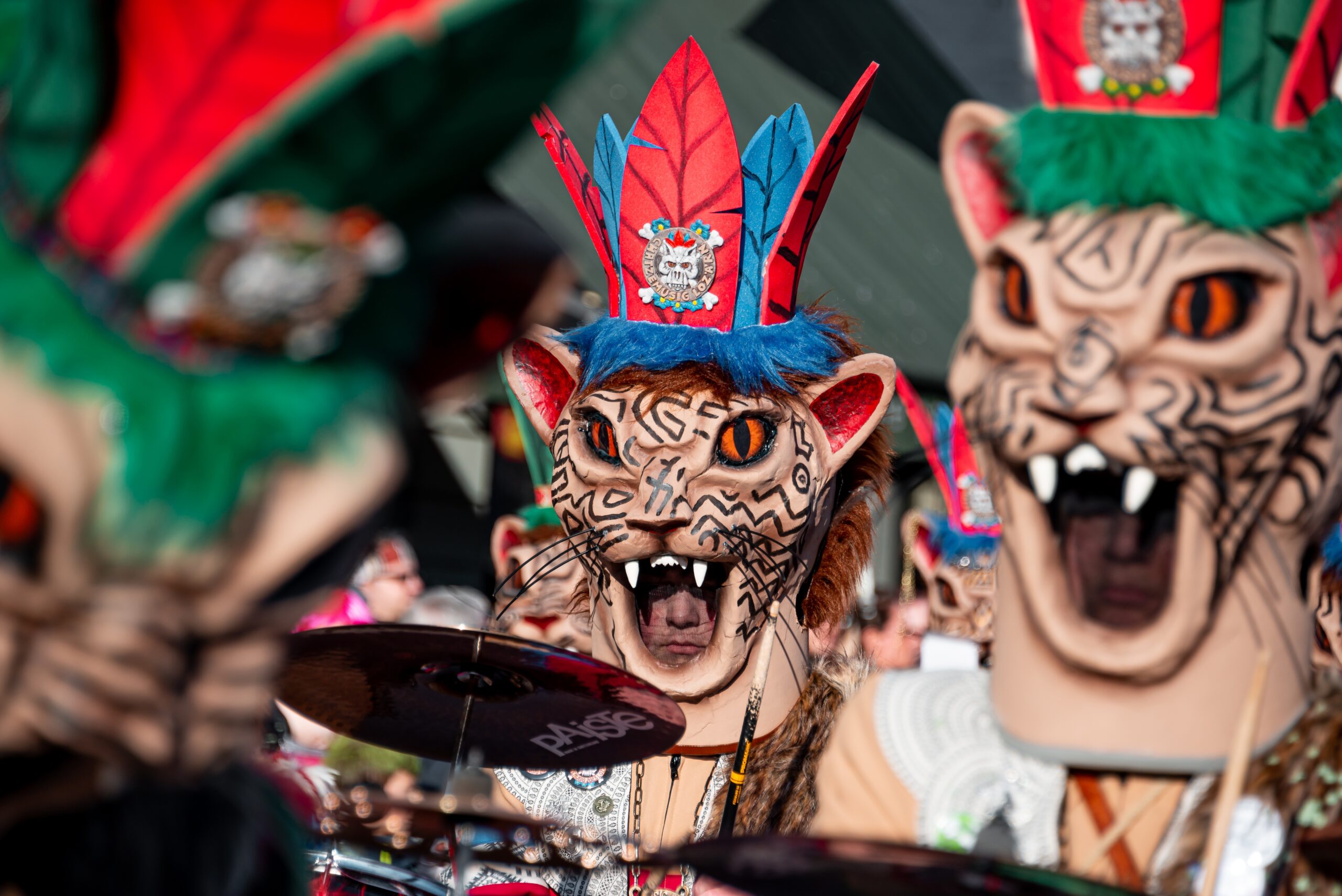
At almost any time of the year, it’s a good bet that you’ll encounter a festival of some sort in the city of Lucerne. In August and September, the Lucerne Festival hosts prestigious classical musicians who perform with full orchestras. Similarly, Fasnacht is celebrated in February and March as a way to honor the upcoming Lent season. The Lucerne Blues Festival brings together musicians from Switzerland and beyond to listen to tunes both new and old. Finally, if you’re traveling during the holidays, don’t miss one of Lucerne’s world renowned Christmas Markets.



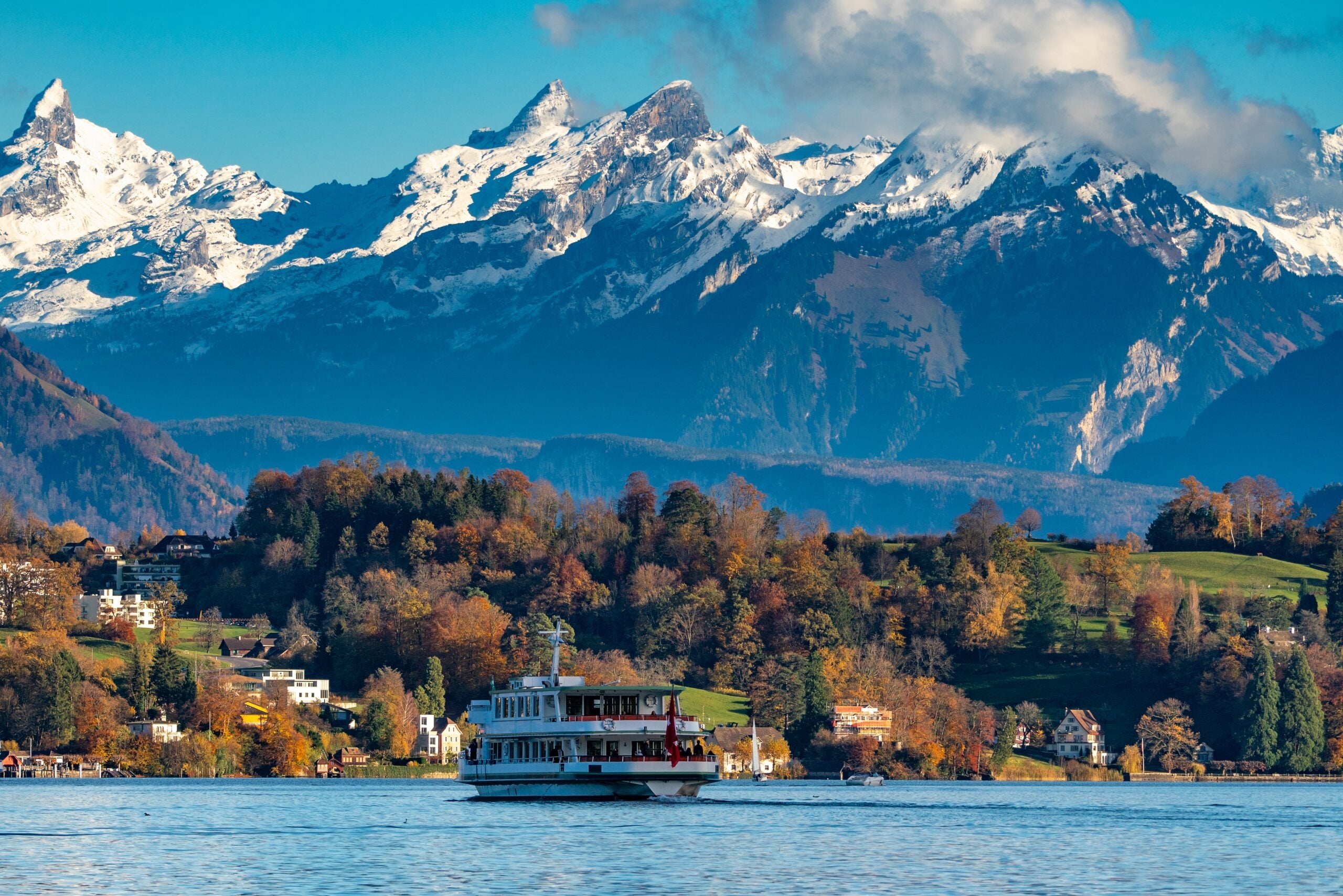
Geneva combines breathtaking Alpine scenery, elegant streets, international landmarks, and the sparkling waters of Lake G[...]
Geneva Switzerland
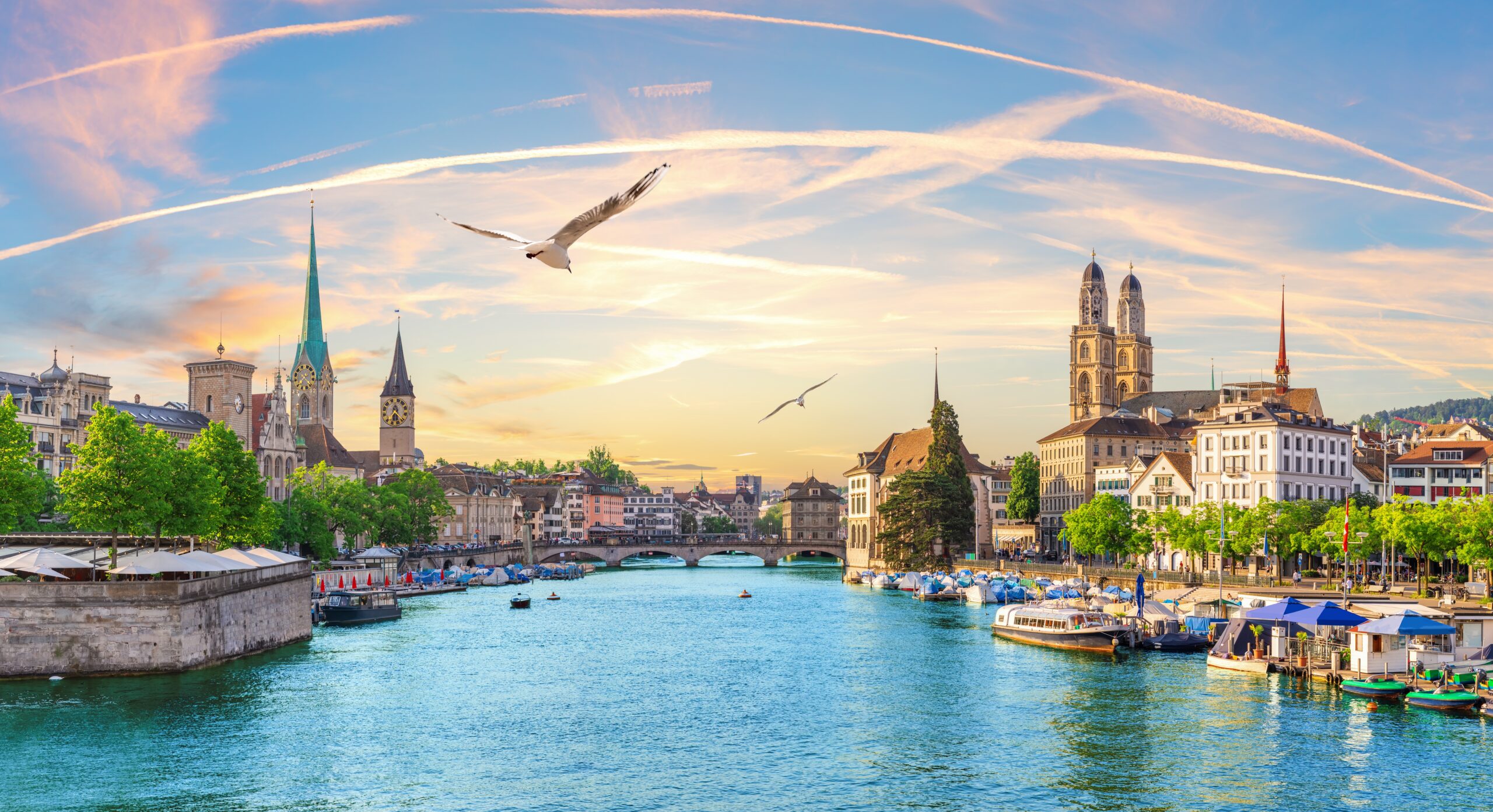
Zurich is one of Switzerland’s most iconic cities, and it’s easy to see why. As the country’s largest metropolitan area, [...]
Switzerland Zurich
Get ready to put on a few pounds as you eat cheese and chocolate while exploring the Old Town, climbing its mountains and [...]
Switzerland Zurich

Gray Line service review
Gray Line service review
Easy convenient!
Wonderful tour company
Very easy to book.