
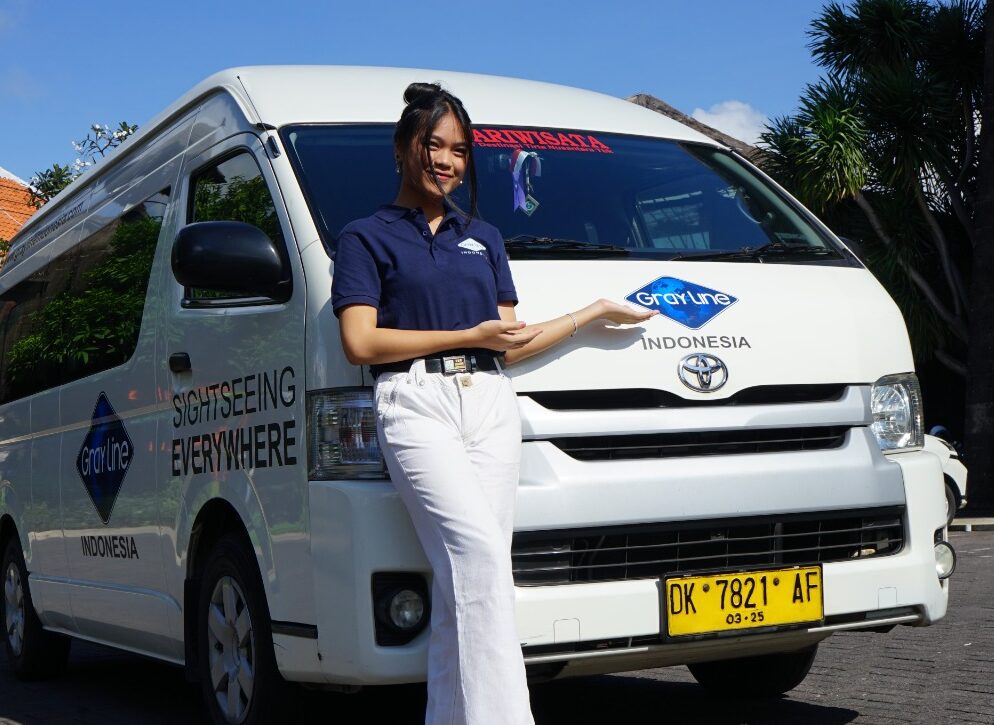
It’s no wonder Jakarta is known as the bustling heart of Indonesia. With its dynamic cityscape, rich cultural heritage, and vibrant food scene, Jakarta is a must-visit destination for travelers seeking excitement, history, and modern urban charm. As Indonesia’s capital, Jakarta boasts a fascinating blend of cultures, from its ancient Javanese roots to influences from Dutch colonial rule, all reflected in its architecture, museums, and traditions. Discover the best of Jakarta with Gray Line Indonesia, your trusted expert for city tours and travel planning. Book your unforgettable day trips today!
Tour Expert, Gray Line Jakarta
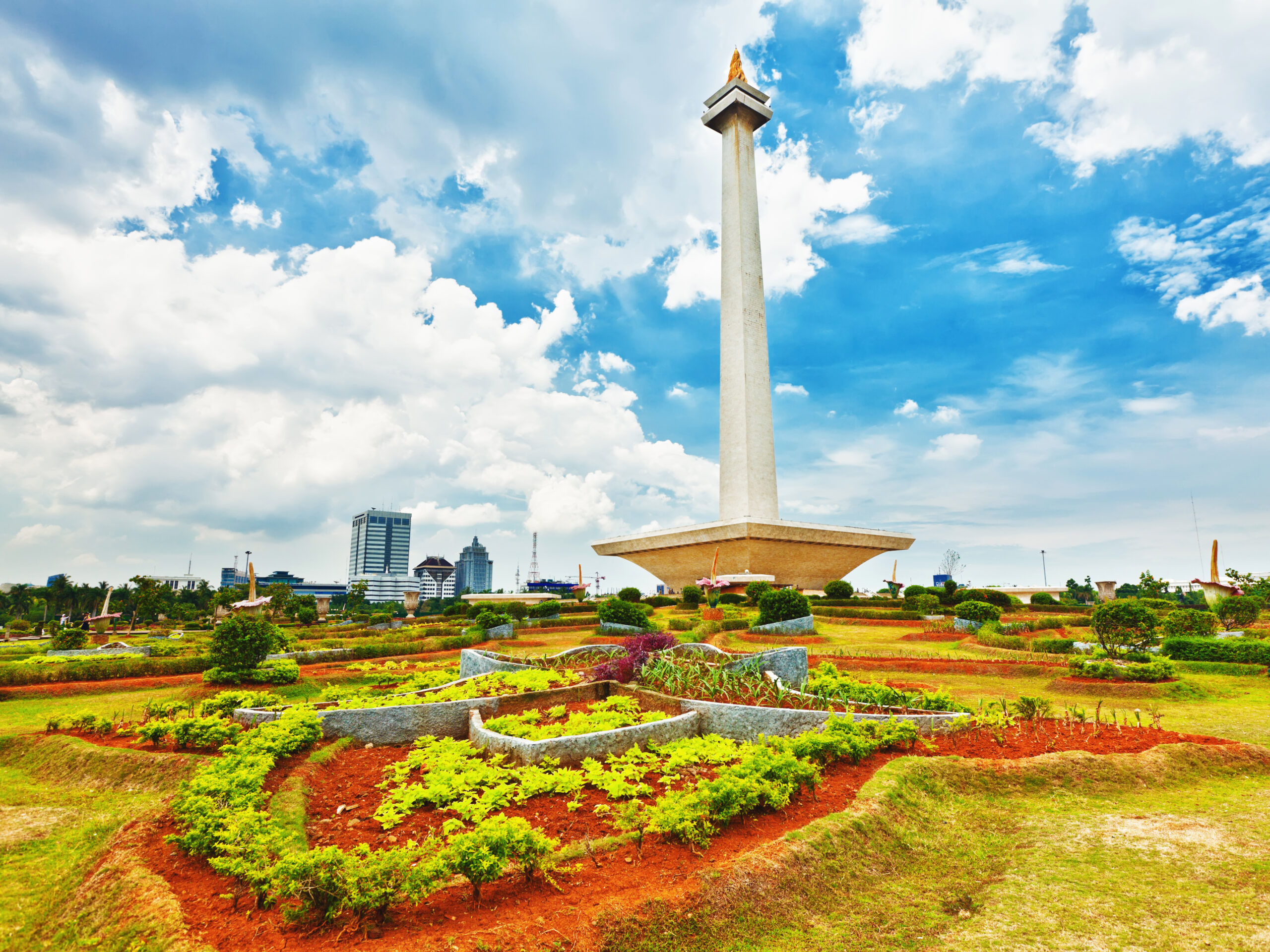
Jakarta’s National Monument — commonly known as Monas — is an iconic landmark constructed to commemorate Indonesia’s struggle for independence from Dutch colonial rule. Inaugurated in 1975 by President Sukarno, the monument is a symbol of national pride and resilience and attracts millions of tourists each year. With a height of approximately 433 feet (132 meters), Monas has a golden flame at its pinnacle, and visitors are encouraged to view the city from the location’s 360-degree panoramic observation deck. The base of the monument also houses the National History Museum with over 50 dioramas that narrate significant events in Indonesian history.
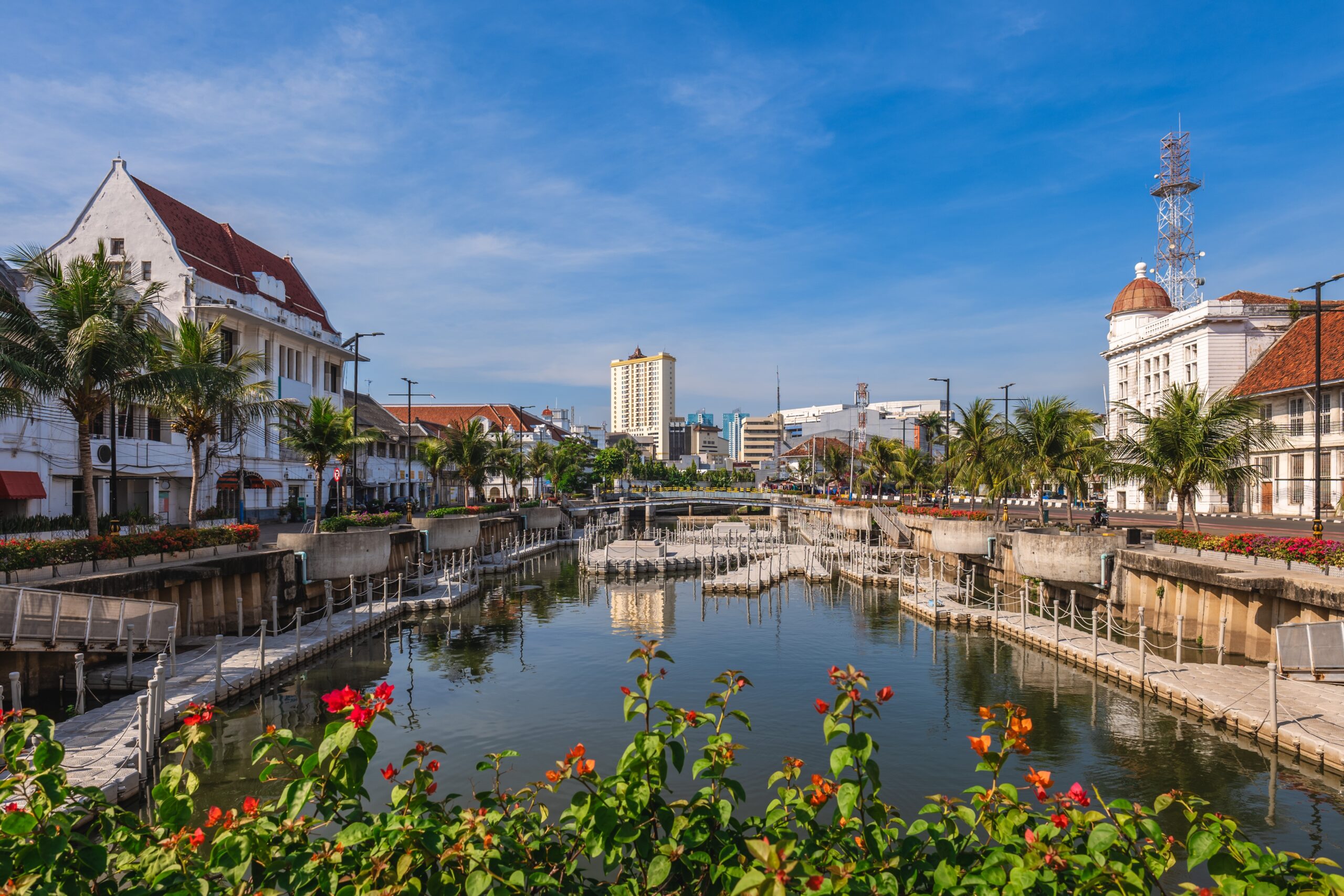
Rich with remnants of historic colonial architecture from the Dutch, Kota Tua (“Old Town”) offers visitors a glimpse into Jakarta’s past. Once known as Batavia, the town was a significant trading post during the colonial era, particularly the Fatahillah Square district. With cobblestone streets, guests can see beautifully restored buildings that include the Jakarta History Museum. Filled with street performers, cafes, and local vendors, Kota Tua is a must-visit for anybody wanting to experience a lovely day in Jakarta.
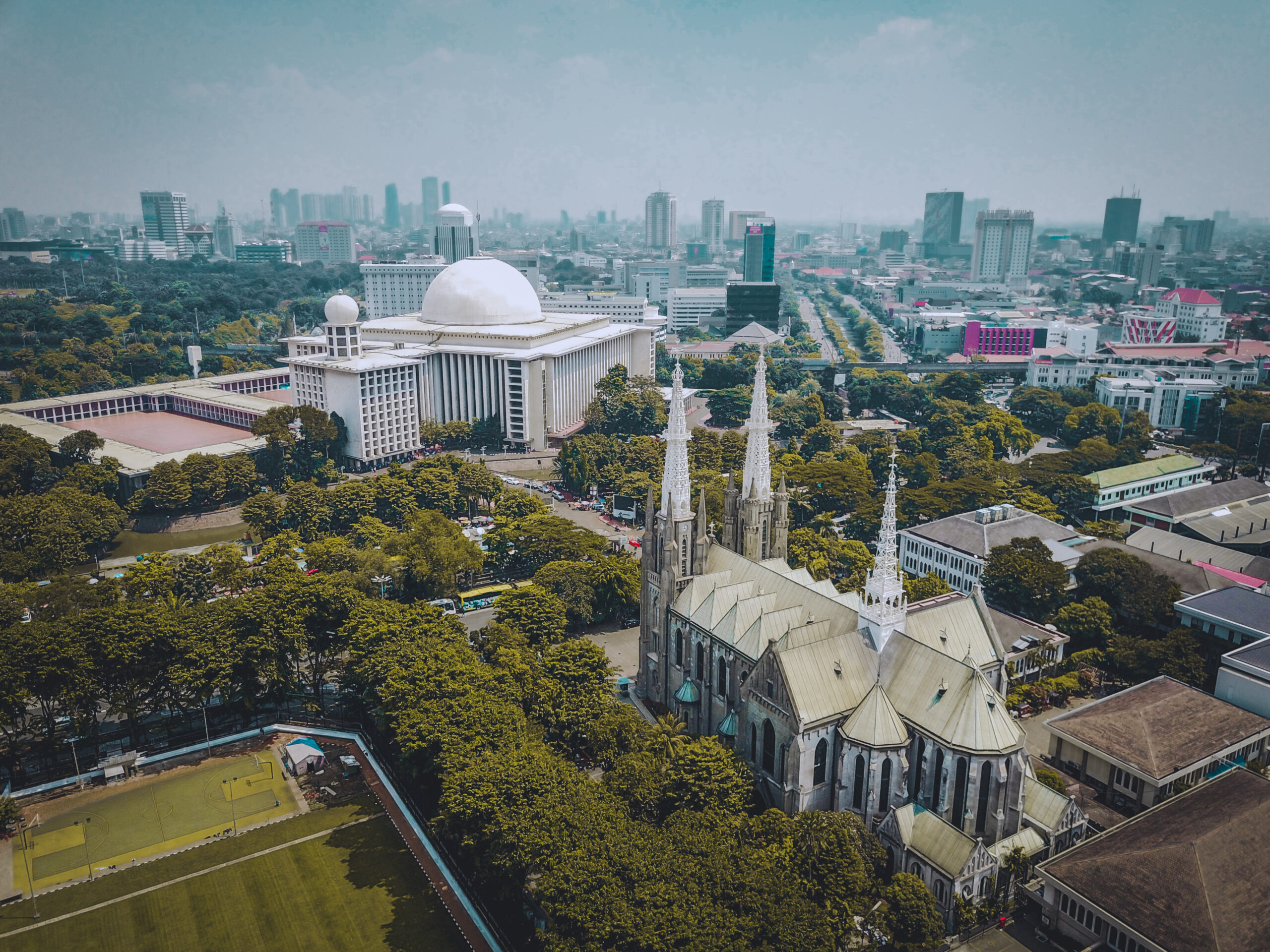
Istiqlal Mosque and Jakarta Cathedral (officially known as the Cathedral of Our Lady of the Assumption) are two of Jakarta’s most distinctive landmarks and, together, represent the coexistence and tolerance of different religions in Indonesia. Completed in 1978, the Istiqlal Mosque is the largest such building in Southeast Asia and fits approximately 120,000 worshippers. Istiqlal translates to “independence” in Arabic, and the number 17 (for Indonesian Independence Day on August 17) is integrated into many parts of the mosque’s design. In contrast, the Jakarta Cathedral stands as an early 20th-century example of neo-Gothic architecture. Designed in the shape of a cross, the cathedral is a physical symbol for the “Bhinneka Tunggal Ika” principle, which means unity in diversity and is featured on Indonesia’s coat of arms and constitution.
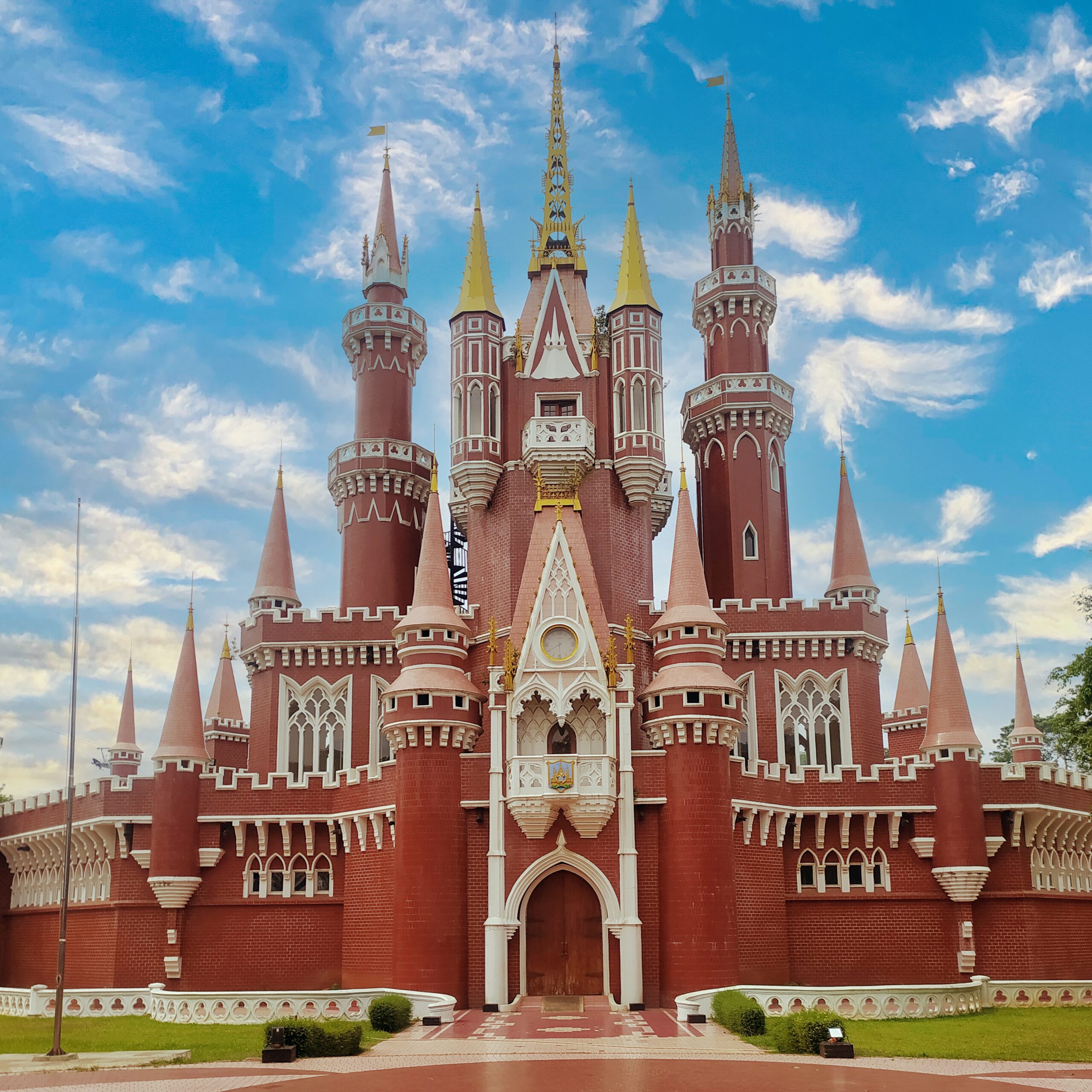
Spanning approximately 250 acres, Taman Mini Indonesia Indah (TMII) is a cultural tourism complex located in East Jakarta. In particular, the space showcases an extensive array of Indonesia’s rich cultural diversity through 33 regional pavilions that represent a different Indonesian province. With regular dance and music performances, guests can take part in vibrant artistic traditions while also exploring the 18 museums found in TMII. A bird park, mini-zoo, and SnowBay Waterpark are also great family-friendly activities to hit.
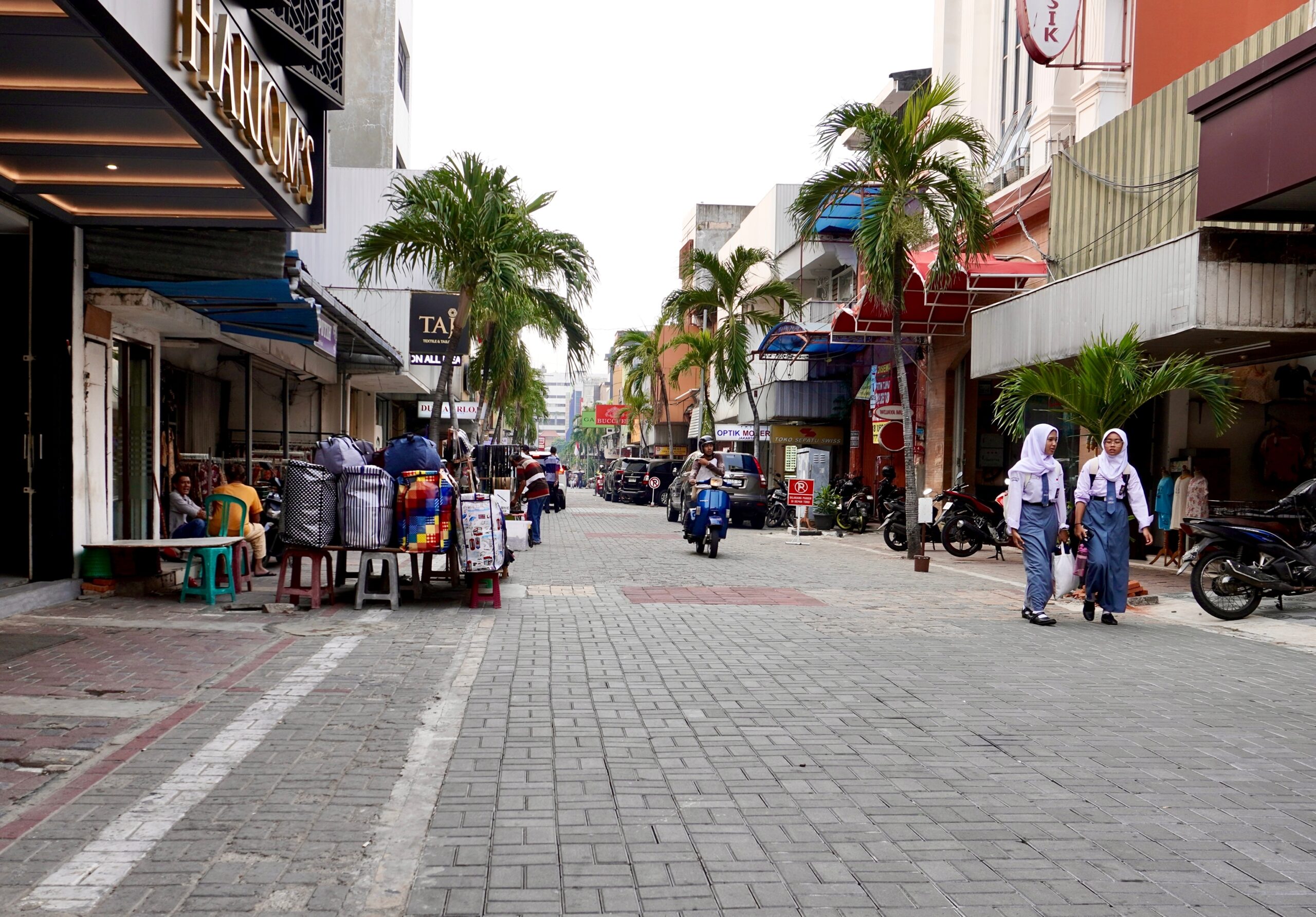
Ironically translating to “New Market,” Pasar Baru is actually one of Jakarta’s oldest and most historically significant markets. Established in 1820 during the Dutch colonial era, the Pasar Baru reflects a true melting pot of cultures, with Chinese, Indian, Dutch, and indigenous communities all contributing to the marketplace’s vibrant energy. The market’s architecture is a distinctive mix of Chinese and European building styles, and surrounding food stalls allow guests to sample traditional Indonesian dishes and snacks. Purchase clothing, shoes, Indian spices, and unique handicrafts (along with much more) when you visit.
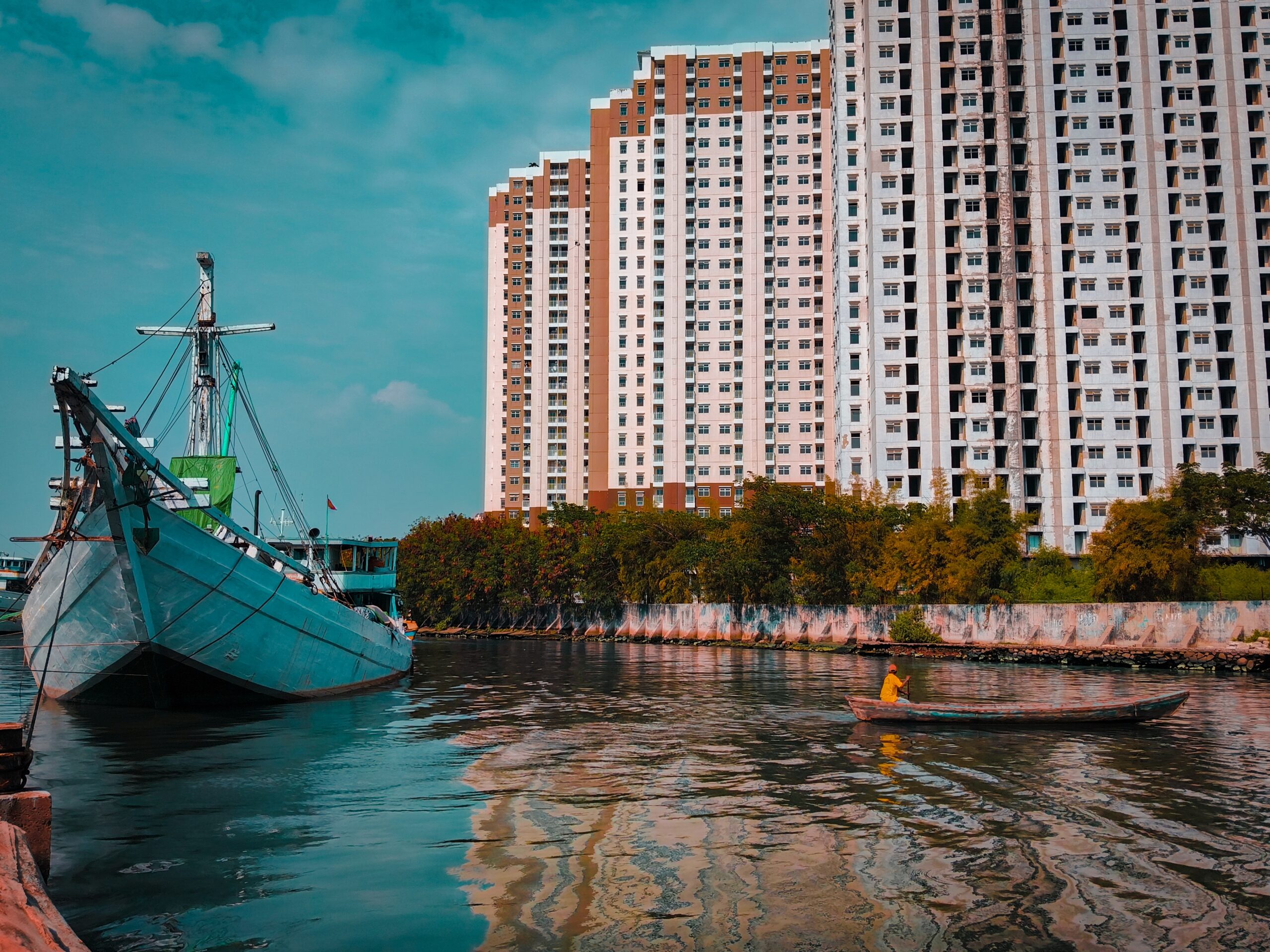
Along the estuary of the Ciliwung River, Sunda Kelapa Harbor is a historic port in Jakarta with roots that trace back to the 12th century. During the reign of the Hindu Sunda Kingdom of Pajajaran, the harbor was a vital trading hub that continued to play a critical economic role well into the era of Dutch colonial rule. Nowadays, Sunda Kelapa Harbor is famously lined with colorful Phinisi ships, traditional two-masted wooden vessels that provide inter-island freight services throughout the Indonesian archipelago. The harbor is conveniently located near other famous sites, including Taman Fatahillah and the Maritime Museum.
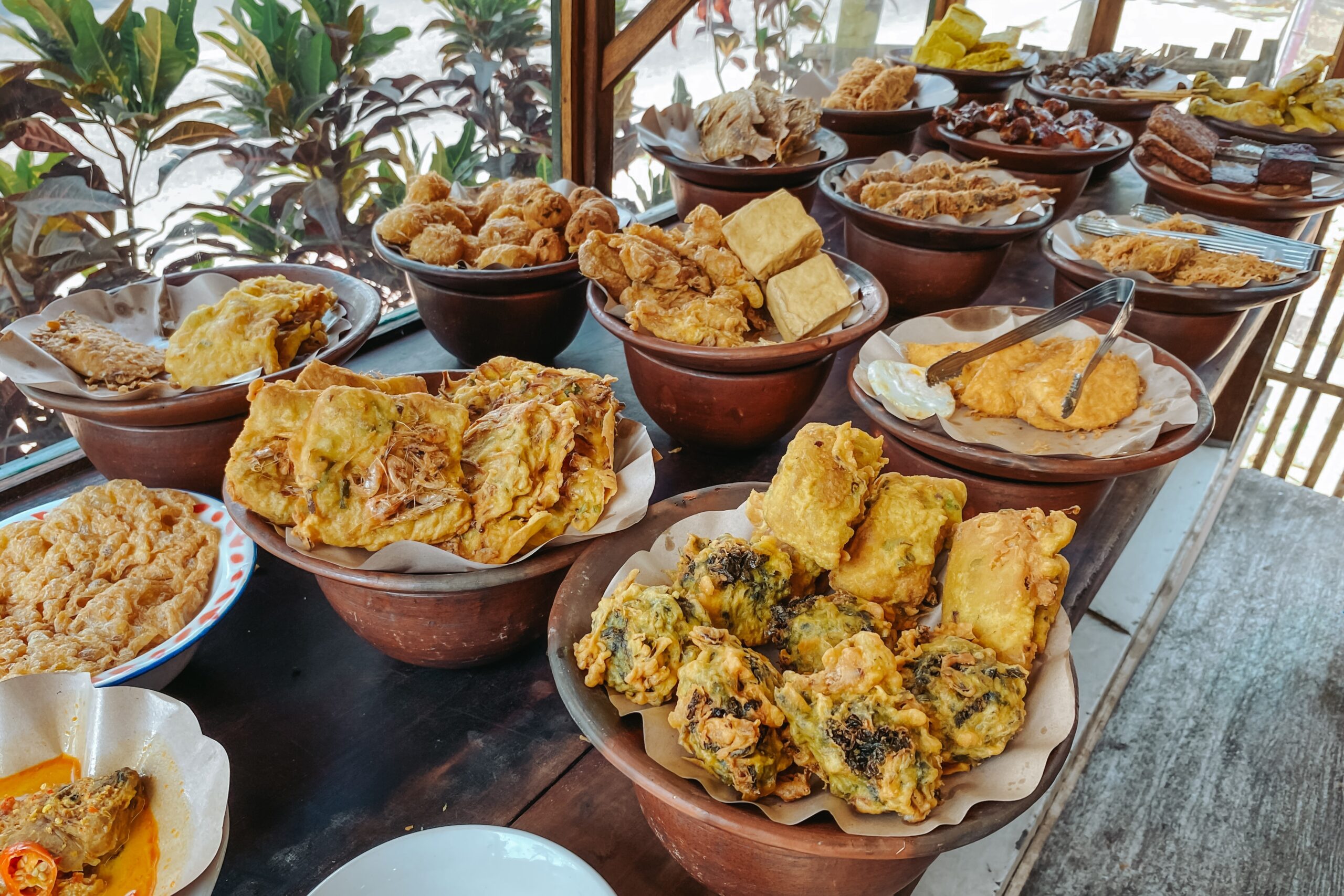
For anyone wanting an authentic Indonesian meal, eat at a warung (a small, casual restaurant or food stall commonly found throughout the islands). Nasi Padang in particular is a traditional dish that originates from Padang, the capital city of West Sumatra, and is one of Indonesia’s most popular culinary offerings. Featuring steamed rice, curries, fried foods, vegetables, and sambal (spicy chili paste), Nasi Padang is a veritable feast meant to be enjoyed in a communal style. Don’t be surprised if you’re seated at a table with other diners and introduced to a huge selection of dishes all at once. Hopefully you’re ready for food, fun, and friendship when you eat at a warung!
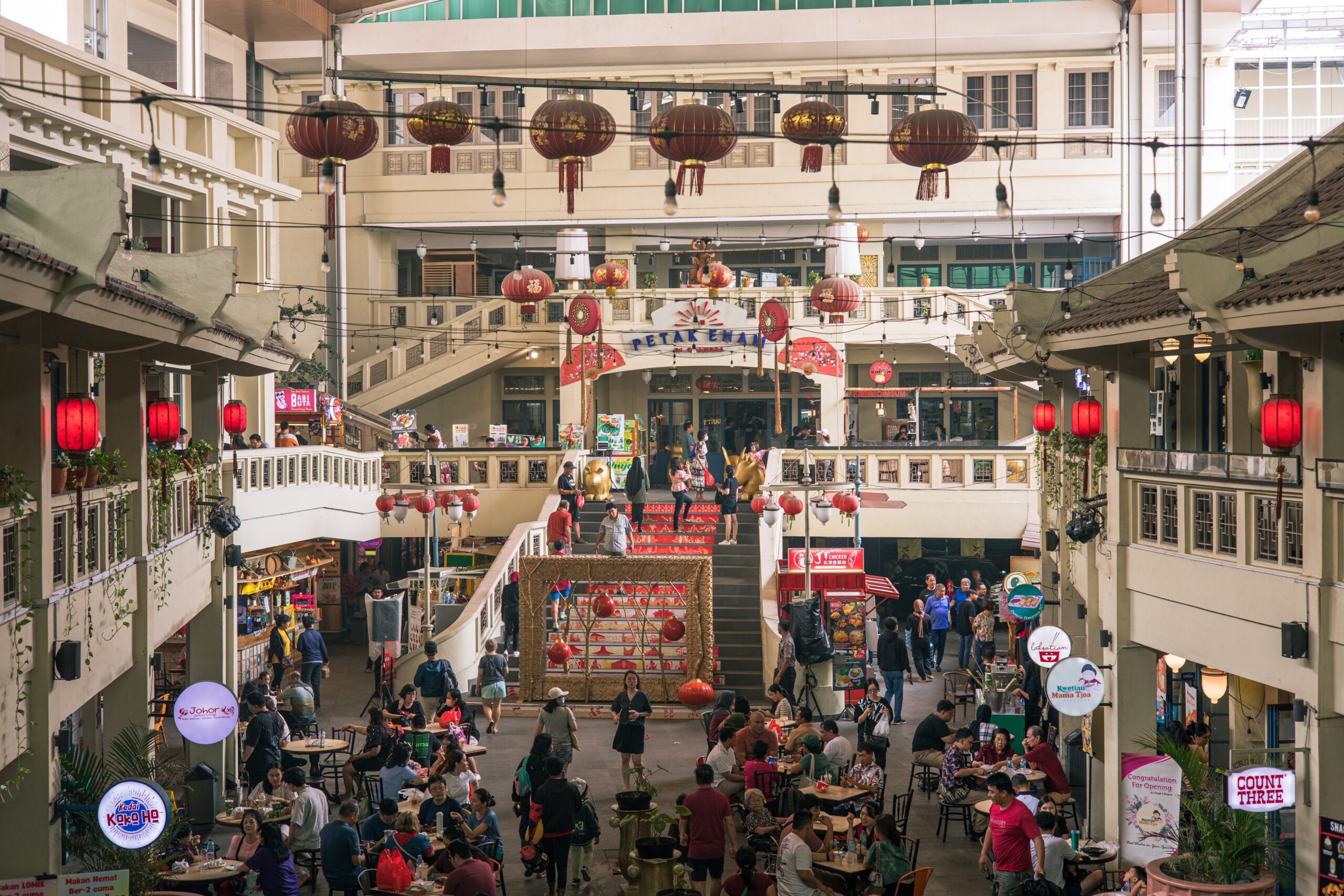
Glodok is Indonesia’s largest Chinatown and is situated in West Jakarta. Established during the Dutch colonial period, the district was originally designated as the only place Chinese immigrants could legally reside. Today, Glodok buzzes with activity and is home to a wide array of Chinese temples, markets, and food stalls that reflect rich Chinese-Indonesian traditions. Built in 1650, the Vihara Dharma Bhakti is one of the oldest temples in Jakarta and plays a critical role for locals during the Lunar New Year and other festivals. Browse the inventories of vendors selling everything from traditional Chinese medicine ingredients to festive decorations and souvenirs.
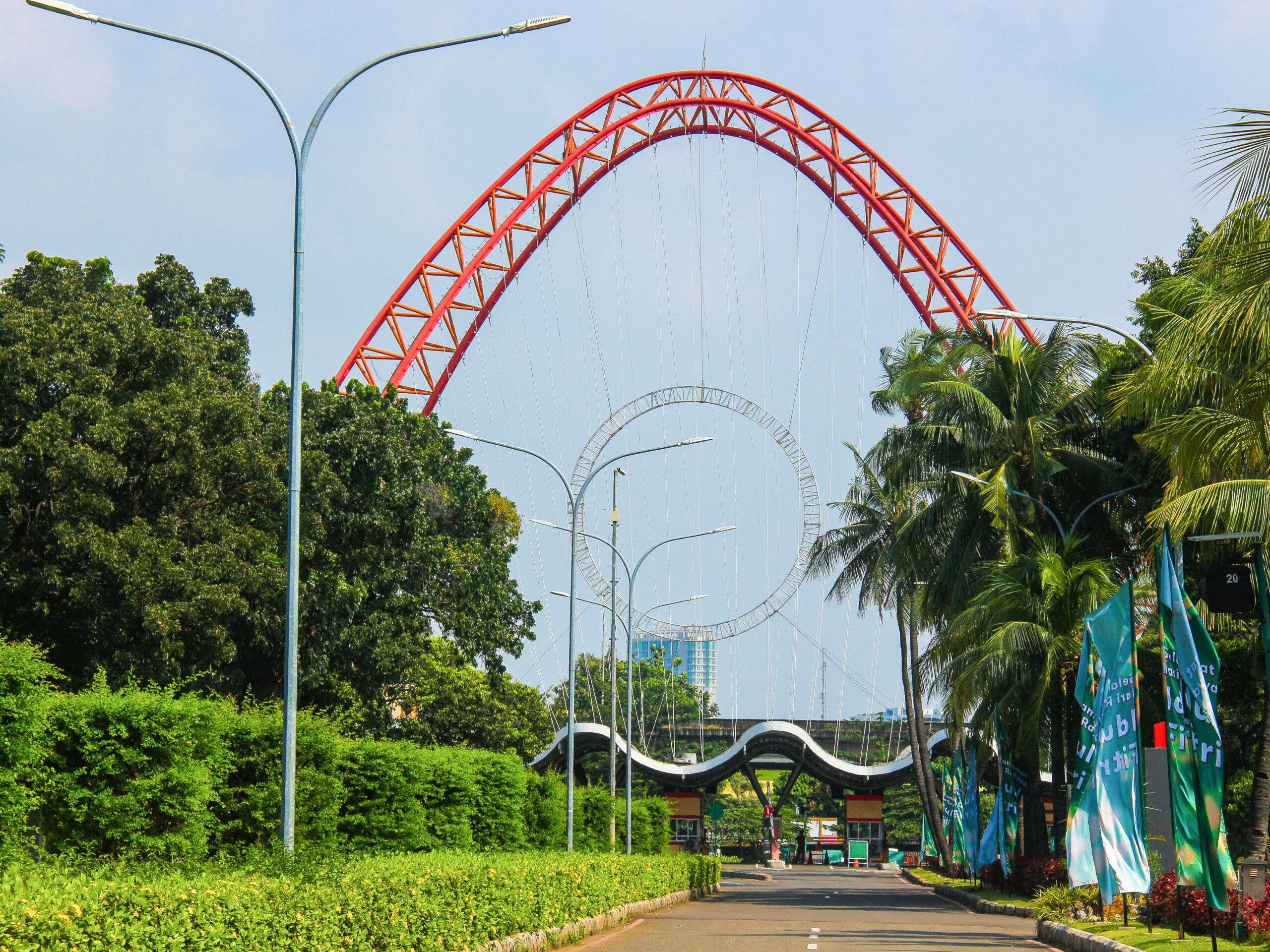
Ancol Dreamland — known locally as Taman Impian Jaya Ancol — is Jakarta’s largest and most popular recreational park. This expansive entertainment complex spans over 550 hectares along North Jakarta’s waterfront and offers an array of activities that appeal to visitors of all ages. Major attractions include Dunia Fantasi (Fantasy World) with its collection of thrill rides and themed park lands as well as Atlantis Water Adventure, a water park designed for fun and relaxation. Visit Carnival or Lagoon Beach to get great views of the ocean and explore the handmade crafts at Ancol Art Market.
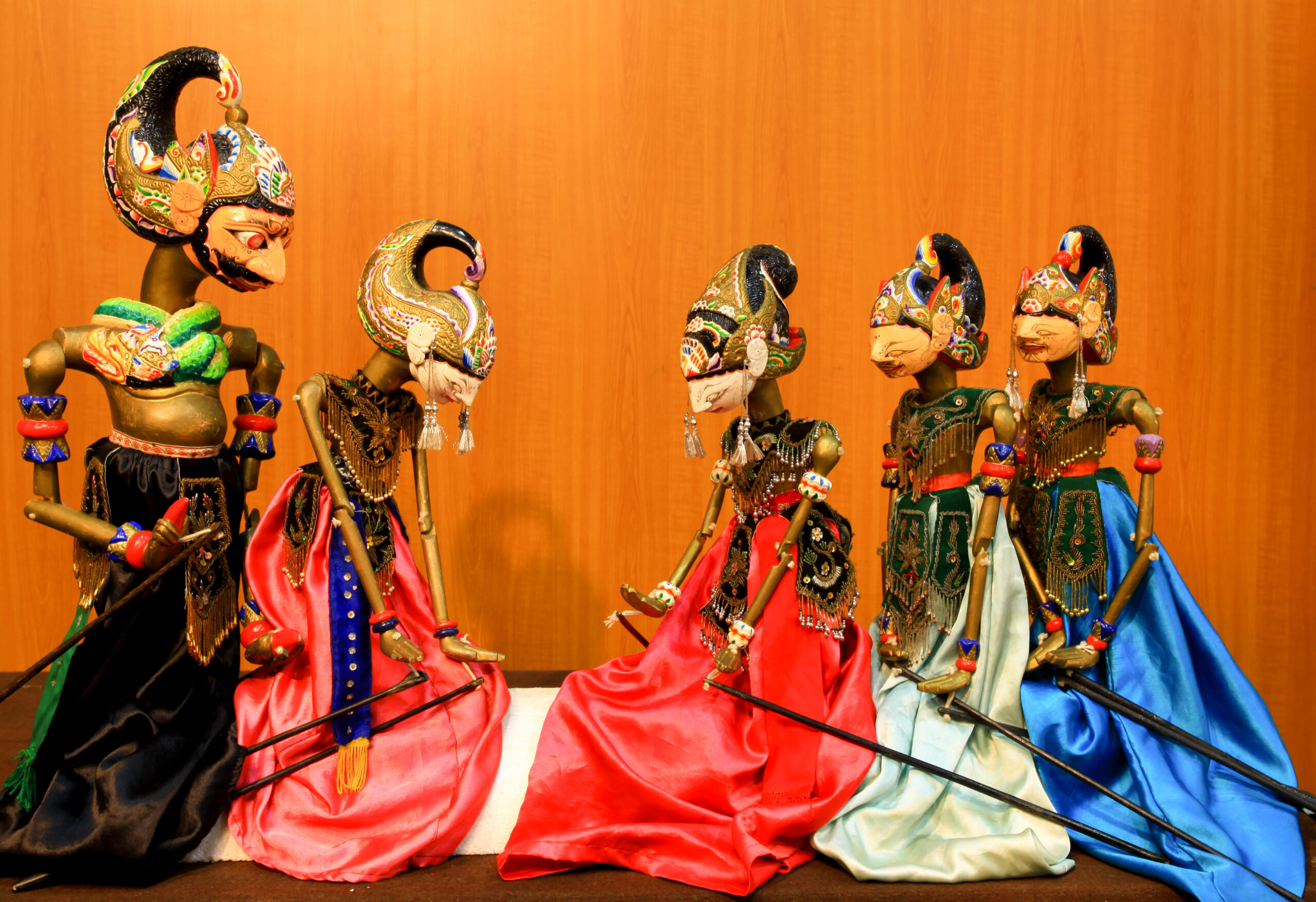
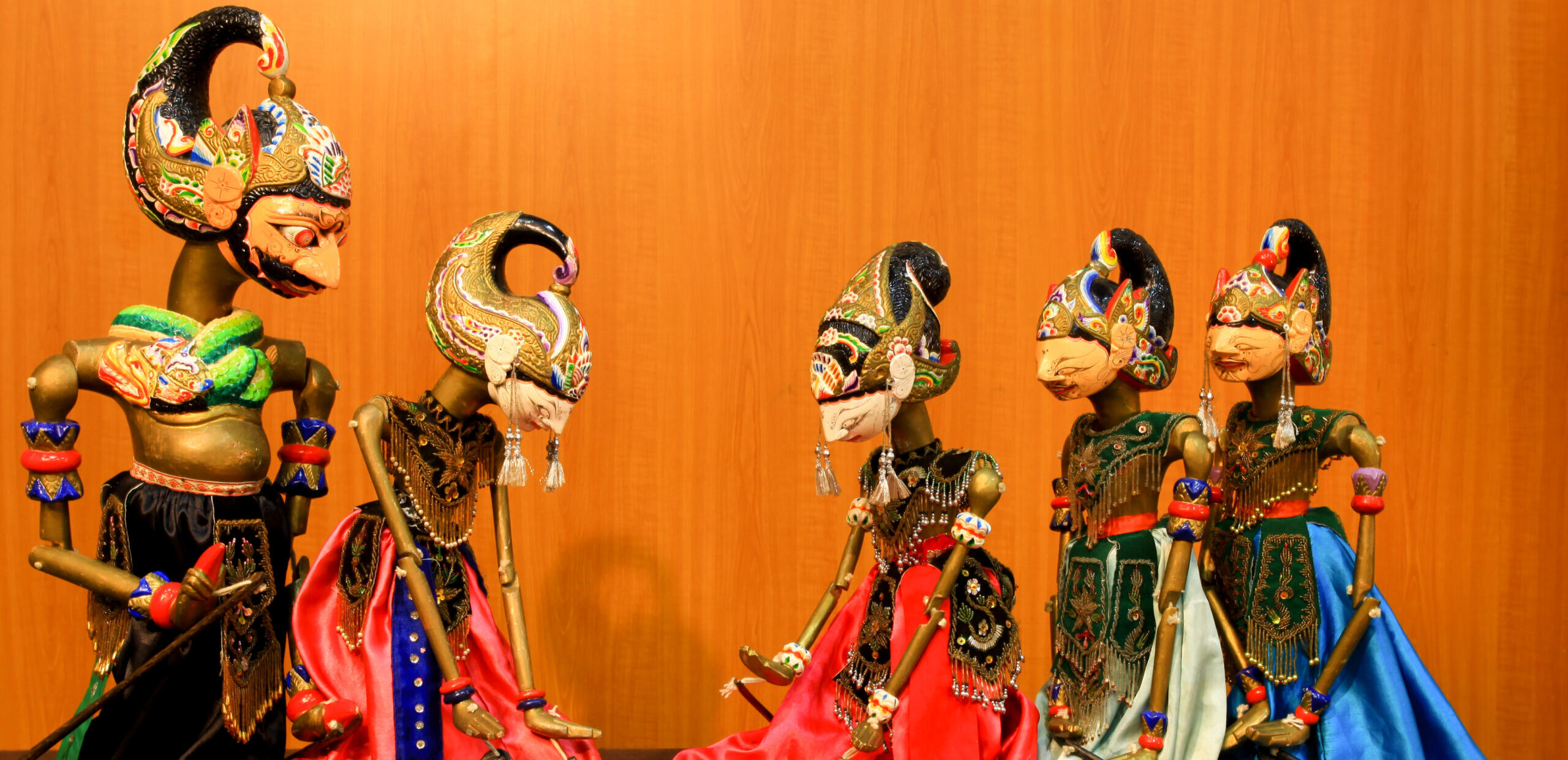
Located in Kota Tua, the Wayang Museum is dedicated to the traditional art of Javanese puppetry. With an extensive collection of both Wayang Kulit (shadow puppets) and Wayang Golek (wooden puppets), this landmark introduces guests to a UNESCO-recognized form of entertainment, moral storytelling, and the weaving of historical narratives. Originally the site of an old Dutch church, the Wayang Museum was inaugurated in 1975 and regularly features live performances and workshops for visitors.

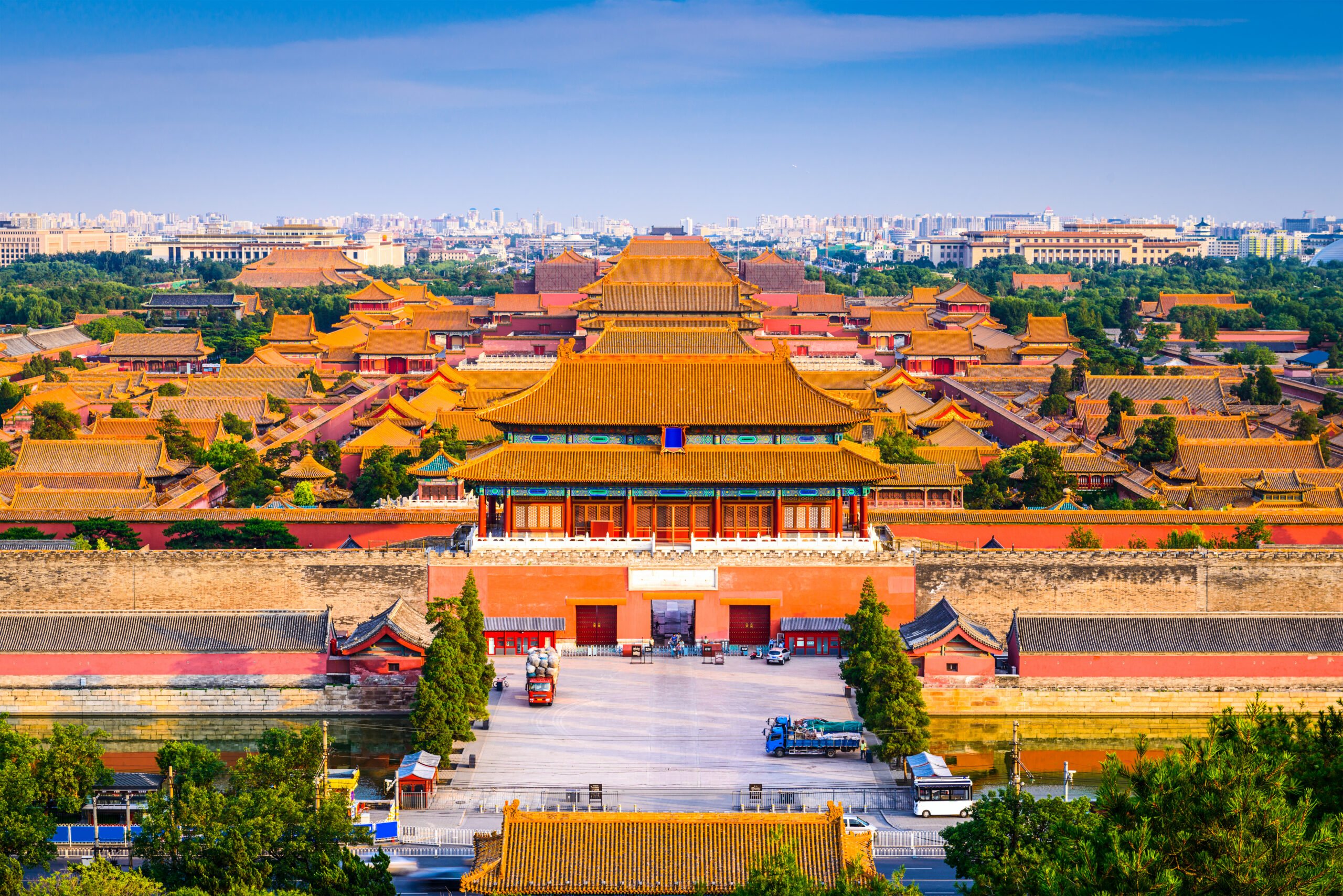


Experience Bali’s Iconic Landmarks Bali, the Island of the Gods, offers breathtaking landscapes, rich culture, and thr[...]
Bali Indonesia
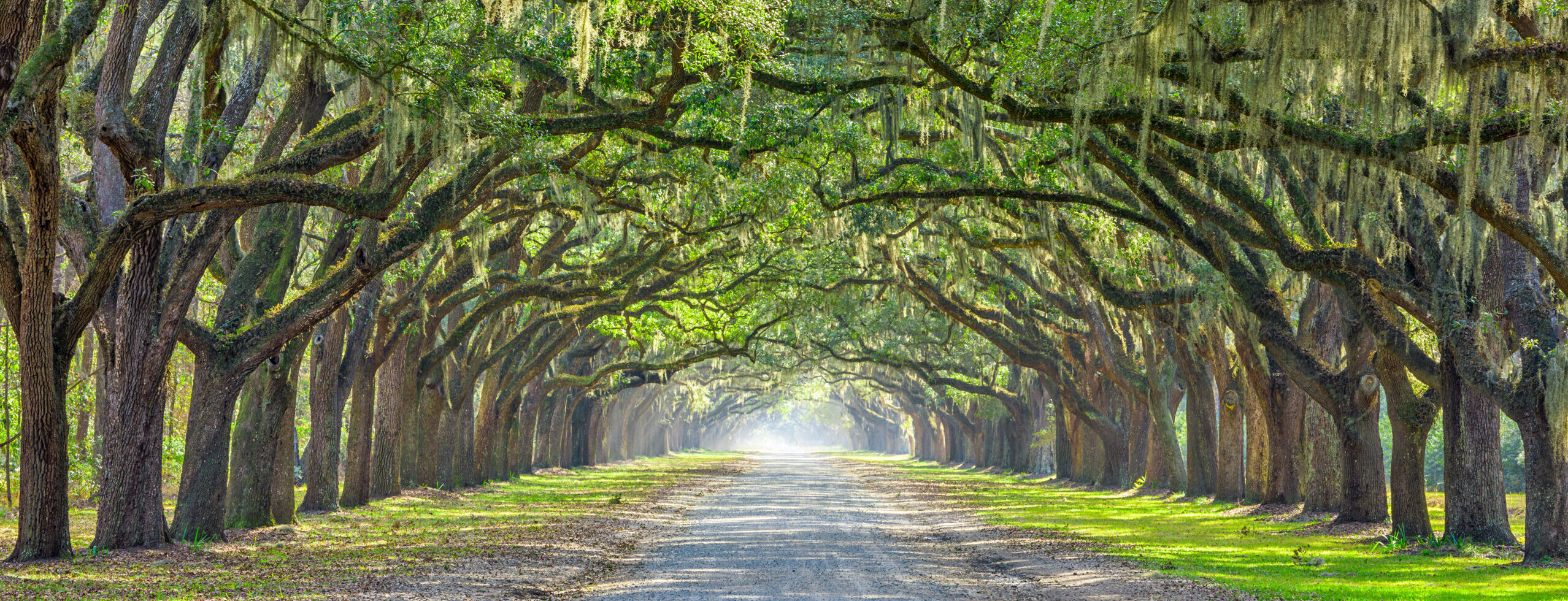
Savannah blends Southern charm, fascinating history, beautiful architecture, and scenic coastal surroundings into one mem[...]
Savannah United States
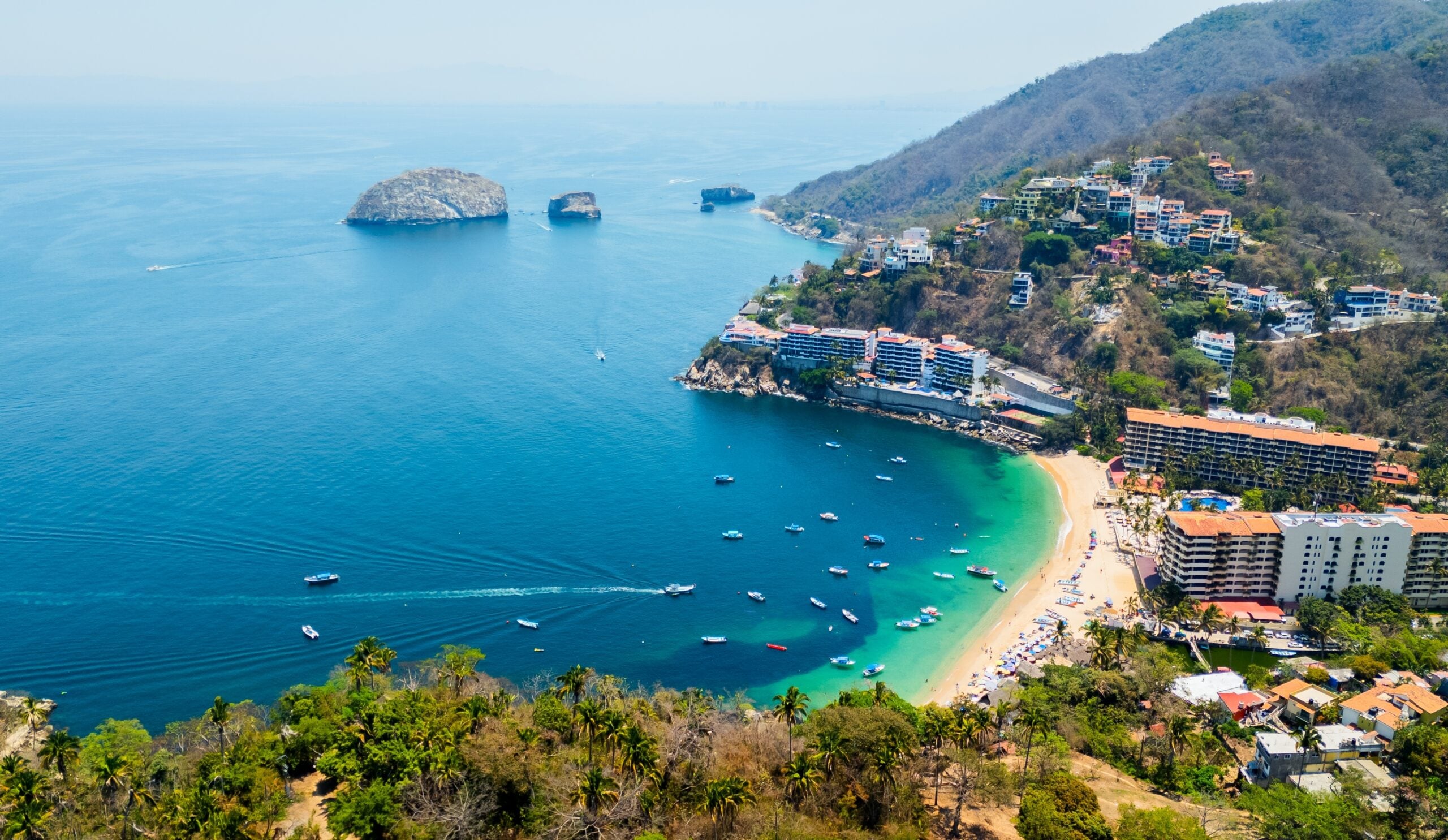
Puerto Vallarta combines golden beaches, lush mountains, Mexican culture, and exciting outdoor adventures along Mexico's [...]
Mexico Puerto Vallarta

A day well spent!
Easy to reserve.
Good value and vey enjoyable
Our tour date needed to change. Grayline gave us several options and was easy to communicate with.
You have to do it!
Very easy.