


A Central American country known for its complex history and diverse cultural background, Panama is sandwiched between Costa Rica to its west and Colombia to the southeast. It serves as the primary connection between North and South America and is bordered by the Caribbean Sea on its northern shores and the Pacific Ocean to the south. Home to one of the most significant engineering feats in the world, Panama’s past is intrinsically tied with the development of the Panama Canal, a man-made waterway that connects the Atlantic and Pacific Ocean via a series of locks. Nowadays, Panama is a major banking center in the Central American region with a strong service and tourist sector. Travel with Gray Line Worldwide to participate in all the Panama tours and attractions you’re interested in!
Tour Expert, Gray Line Panama City
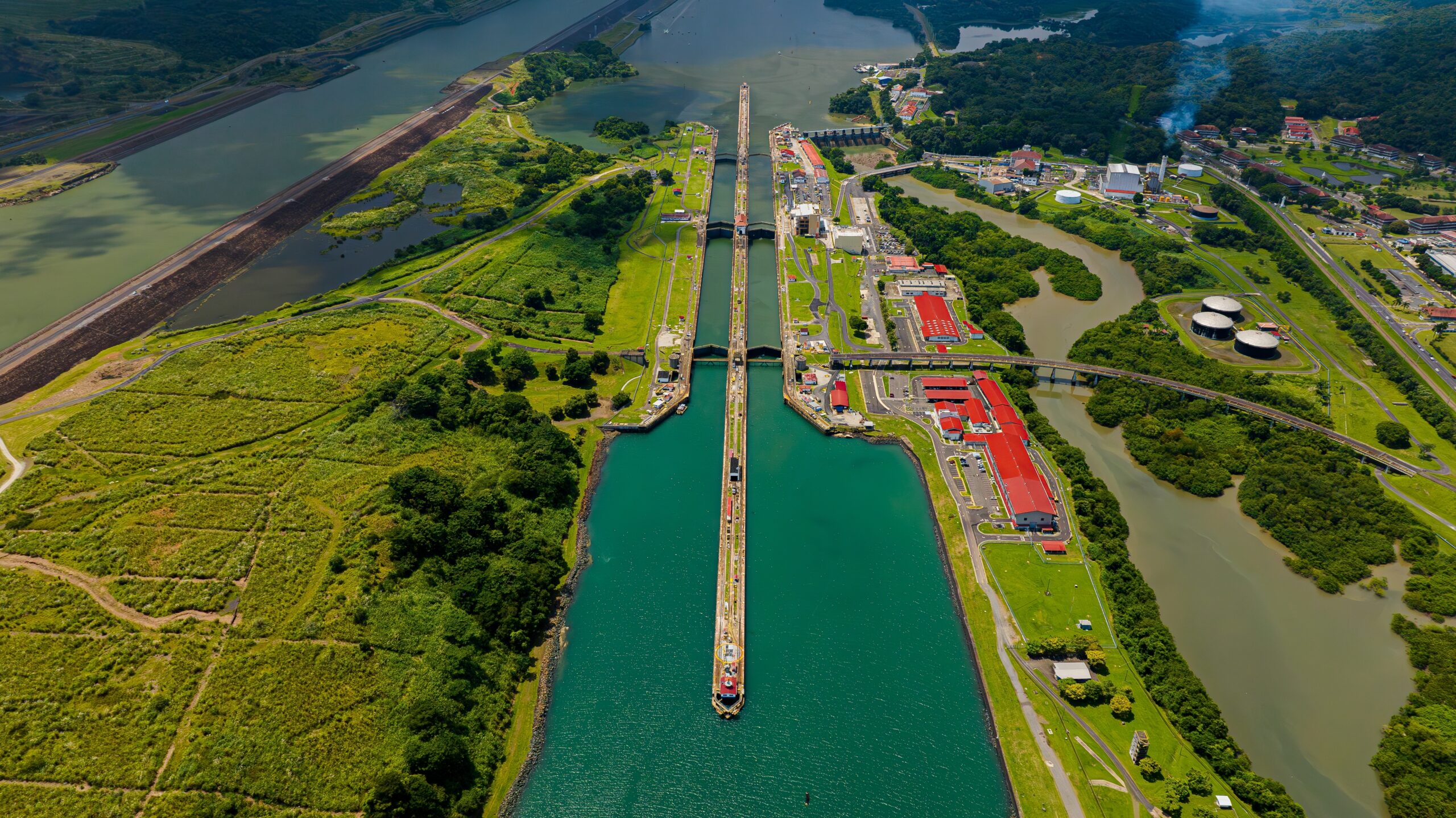
The Panama Canal plays a crucial role in global maritime trade as one of the few direct passageways between the Pacific and Atlantic Oceans. About 50 miles long, the canal relies on a system of locks that raise and lower ships between varying sea levels. In 1904, the United States negotiated a treaty with Panama, which had just gained independence from Colombia. This political shift gave the U.S. added leverage in controlling the construction of the critical waterway. Completed in 1914, the canal triggered significant engineering challenges, including the excavation of the Culebra Cut and the construction of the Gatun Locks. Thousands of vessels regularly pass through the canal each year because of its elimination of the need for ships to navigate past South America’s southern tip (Cape Horn).
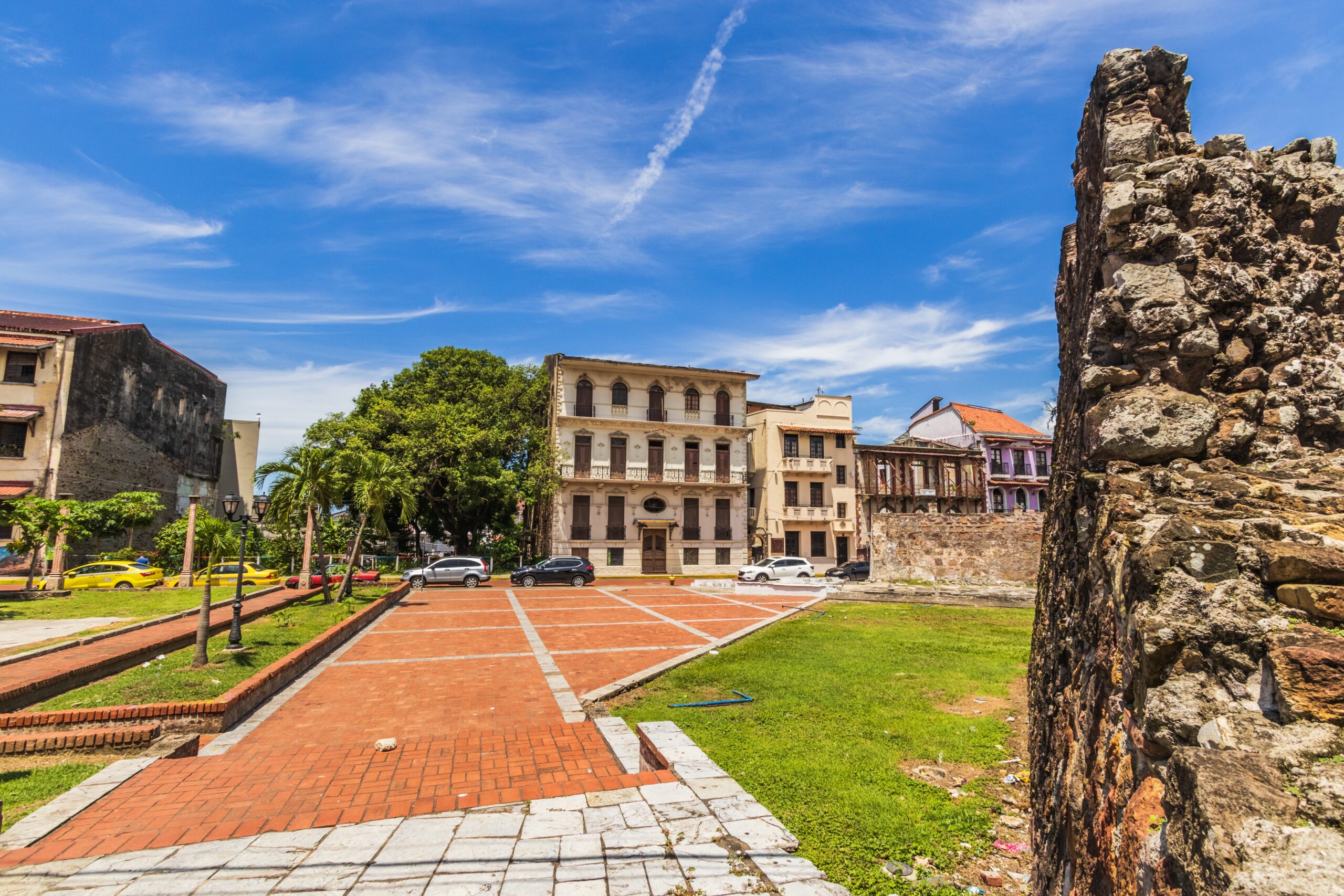
Panama’s historic district offers a glimpse into Panama’s colonial past and melting pot culture. Established in 1673 after the original Panama Viejo city was destroyed by pirate attacks, Casco Antiguo was designated a UNESCO World Heritage Site in 1997. The district was founded by Spanish colonists as a safer alternative to Panama Viejo, which remained vulnerable to attacks from pirates and privateers. Over the centuries, Casco Antiguo has been influenced by various ethnic groups, including Spanish, French, and Afro-Caribbean settlers. Visit the Plaza de la Independencia to see the Metropolitan Cathedral and Presidential Palace.
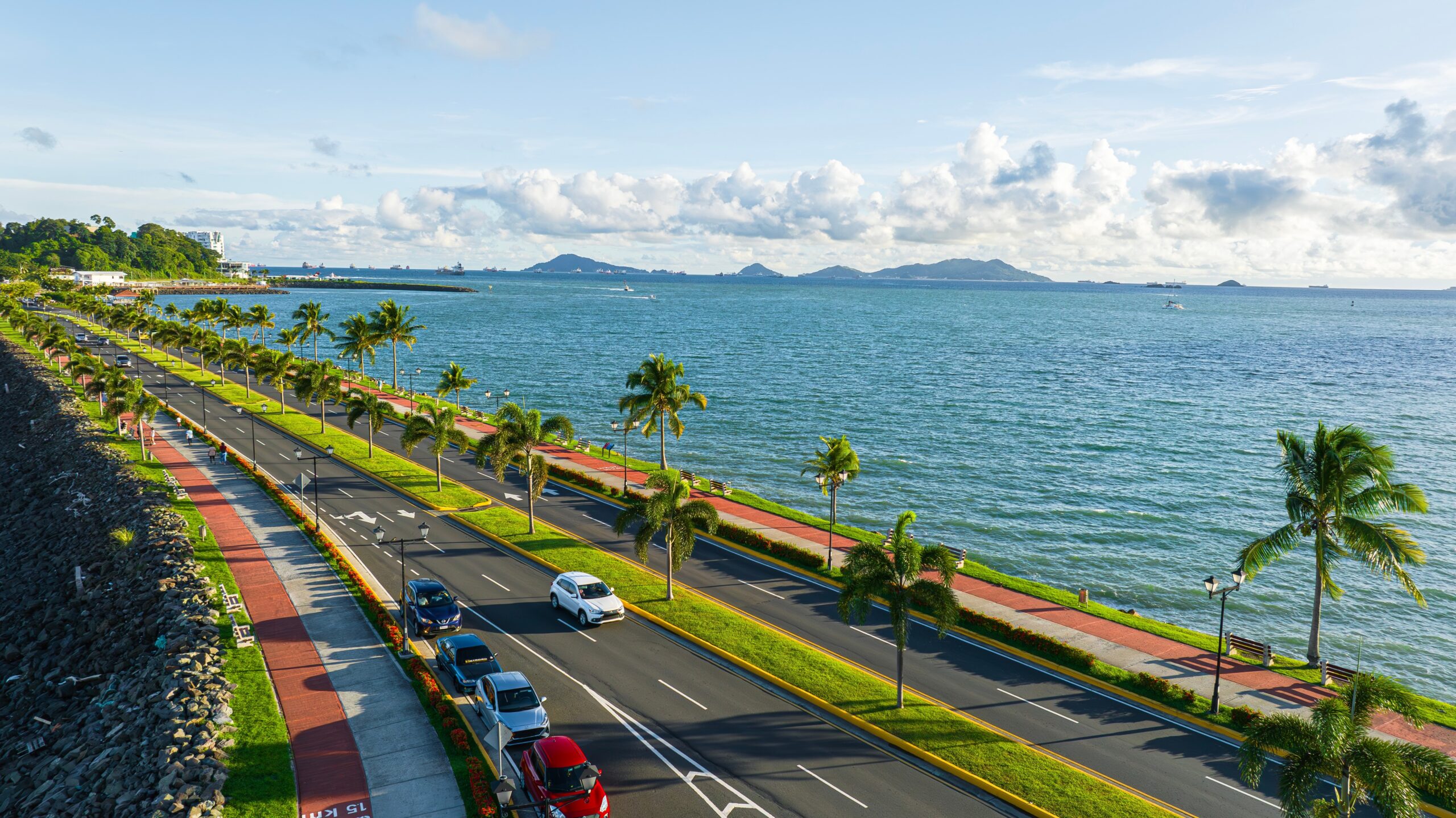
The Amador Causeway is a scenic roadway that connects several small islands to the mainland and offers stunning views of the Panama City skyline. Located at the entrance to the Panama Canal, the Amador Causeway serves as the connection point between the city’s mainland to four small islands: Naos, Culebra, Perico, and Flamenco. Today, the causeway has been transformed into a recreational area with parks, restaurants, and attractions, which makes it a popular destination for both locals and tourists.

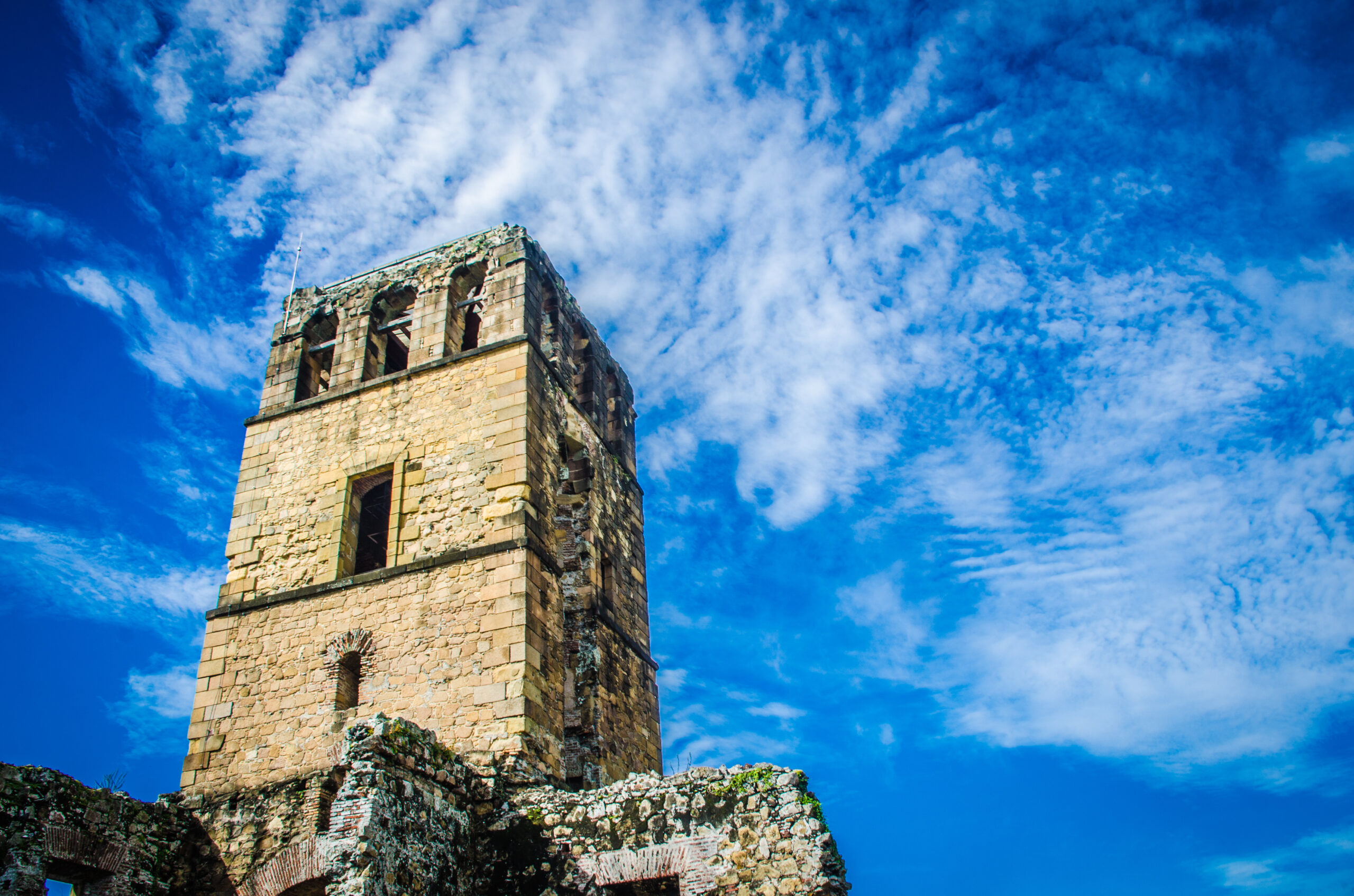
Known as Old Panama, Panama Viejo was the original site of Panama City founded in 1519. Established by Spanish explorer Pedro Arias de Avila, Panama Viejo served as a crucial transit point for gold and silver from South America to Spain. Largely destroyed by the pirate Henry Morgan in 1671, the settlement was moved to Casco Antiguo, which is where Panama City sits now. In 1997, Panama Viejo was designated a UNESCO World Heritage Site because of its many ruined structures, including churches, homes, and fortifications. The most notable ruin is the Torre de la Catedral, which was the original cathedral that once stood in the city. Visit the several on-site museums that showcase artifacts from the daily life of the early settlers.
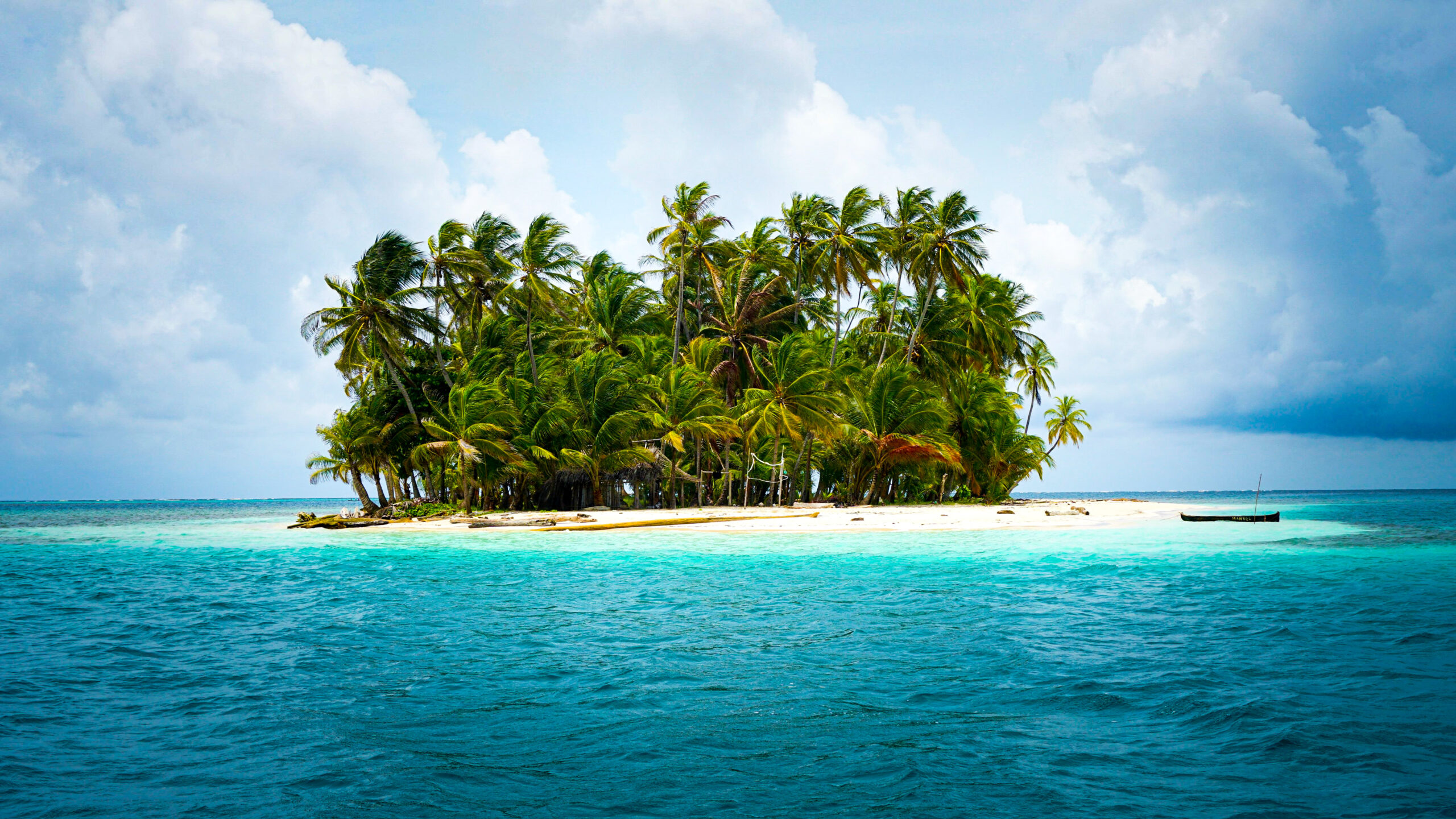
Also known as Guna Yala, the San Blas Islands are an archipelago located about 124 miles off the northeastern coast of Panama. The archipelago consists of around 365 islands and cays, of which only about 49 are inhabited. The islands are known for their white-sand beaches, beautiful waters with lots of marine life, and tropical vegetation. Home to the Guna people — an indigenous group who have lived there for generations — the San Blas Islands host many traditional languages, customs, and beliefs that are completely distinct from the rest of Panama. The Guna subsist on fishing, agriculture, and tourism while creating and selling handicrafts. Their traditional molas are textile art pieces made by layering and stitching fabric. For interested visitors, plan a stay at one of the Guna-run establishments located on the island and learn more about this tight-knit community.
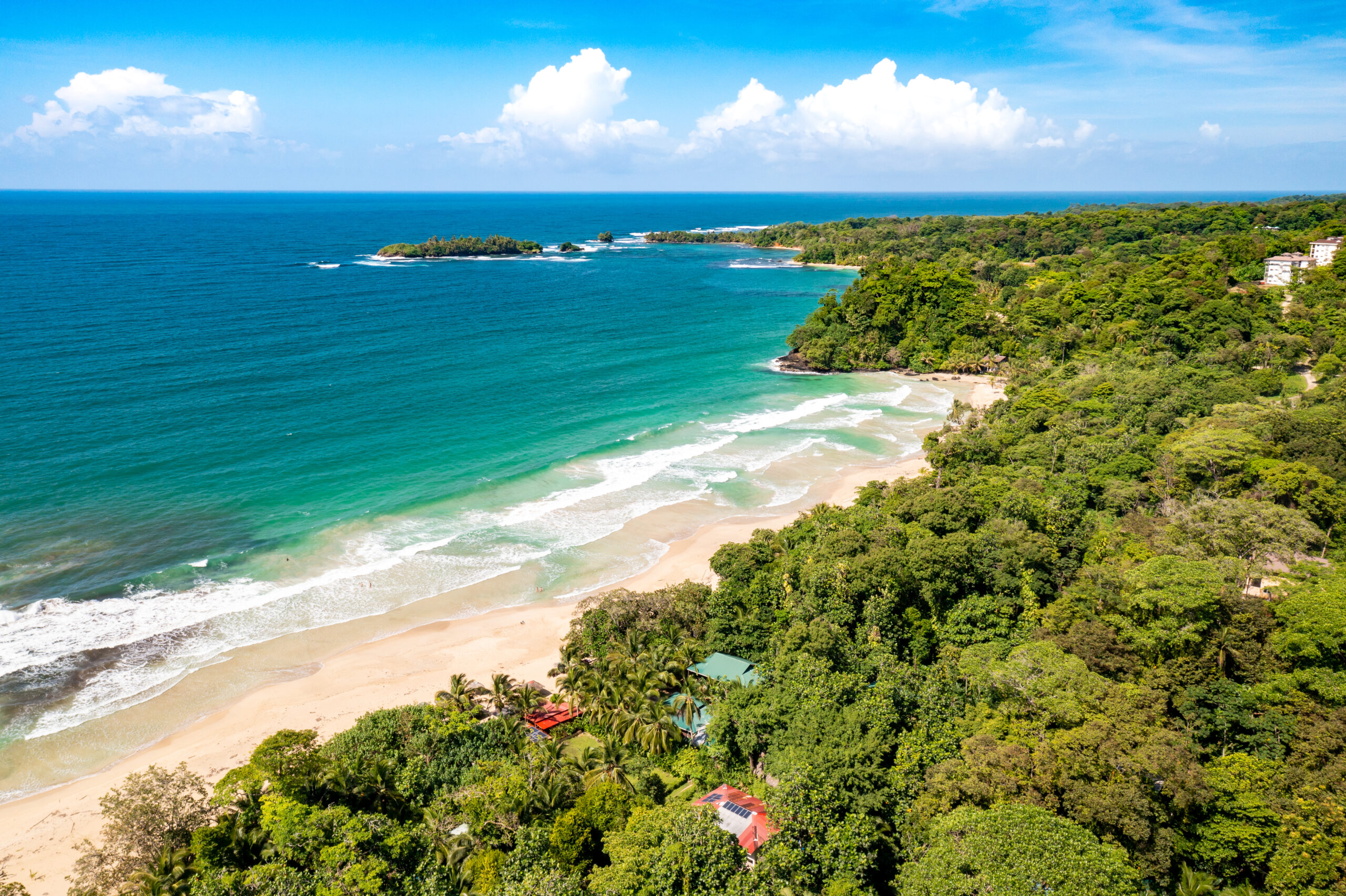
Another archipelago located on the Caribbean coast of Panama, the Boros del Toro is closer to the border of Costa Rica. Consisting of several islands, the archipelago centers on the main island of Isla Colon, where the Bocas Town settlement is located. The region is home to a mix of cultures, including Afro-Caribbean, indigenous Ngabe-Bugle, and expatriates from various countries. Famous for its seafood, Bocas del Toro serves dishes like ceviche, coconut rice, and fried fish spiced with Caribbean flavors and ingredients. Visitors frequently go snorkeling and diving around the islands’ coral reefs, surfing at spots like Playa Bluff and Red Frog Beach, and watch for wildlife like sloths, monkeys, and several bird species.
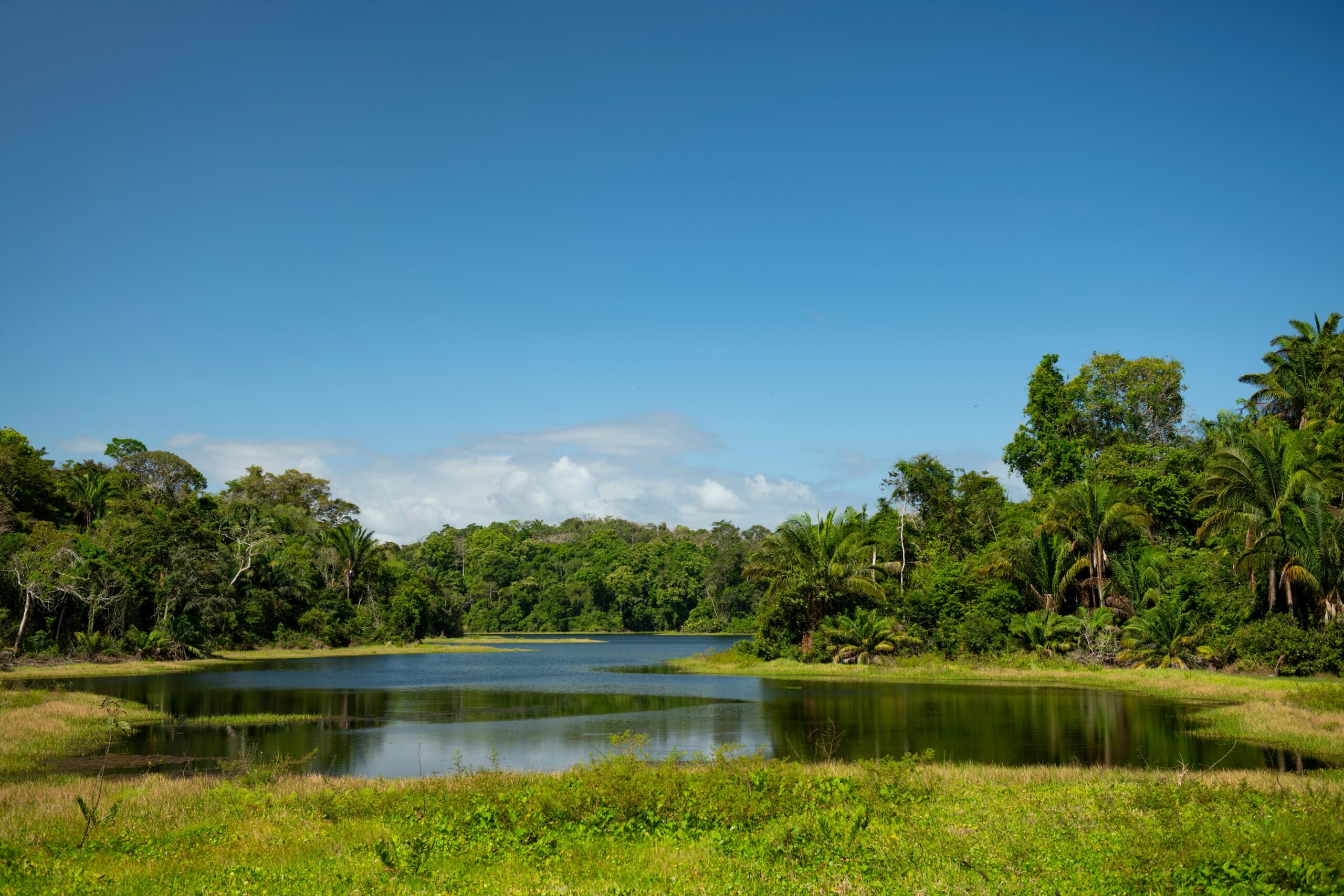
Created between 1907 and 1913, Gatun Lake is an artificial reservoir formed by damming the Chagres River during the construction of the Panama Canal. The lake covers an area of about 425 square miles, which makes it one of the largest man-made lakes in the world. Gatun Lake is a crucial waterway for the Panama Canal because it allows ships to transit between the Atlantic and Pacific Oceans. By maintaining the lake’s water levels, the canal locks are able to function properly. Important for its ecological biodiversity, the lake is also a popular destination for recreational activities like fishing, boating, and wildlife watching.
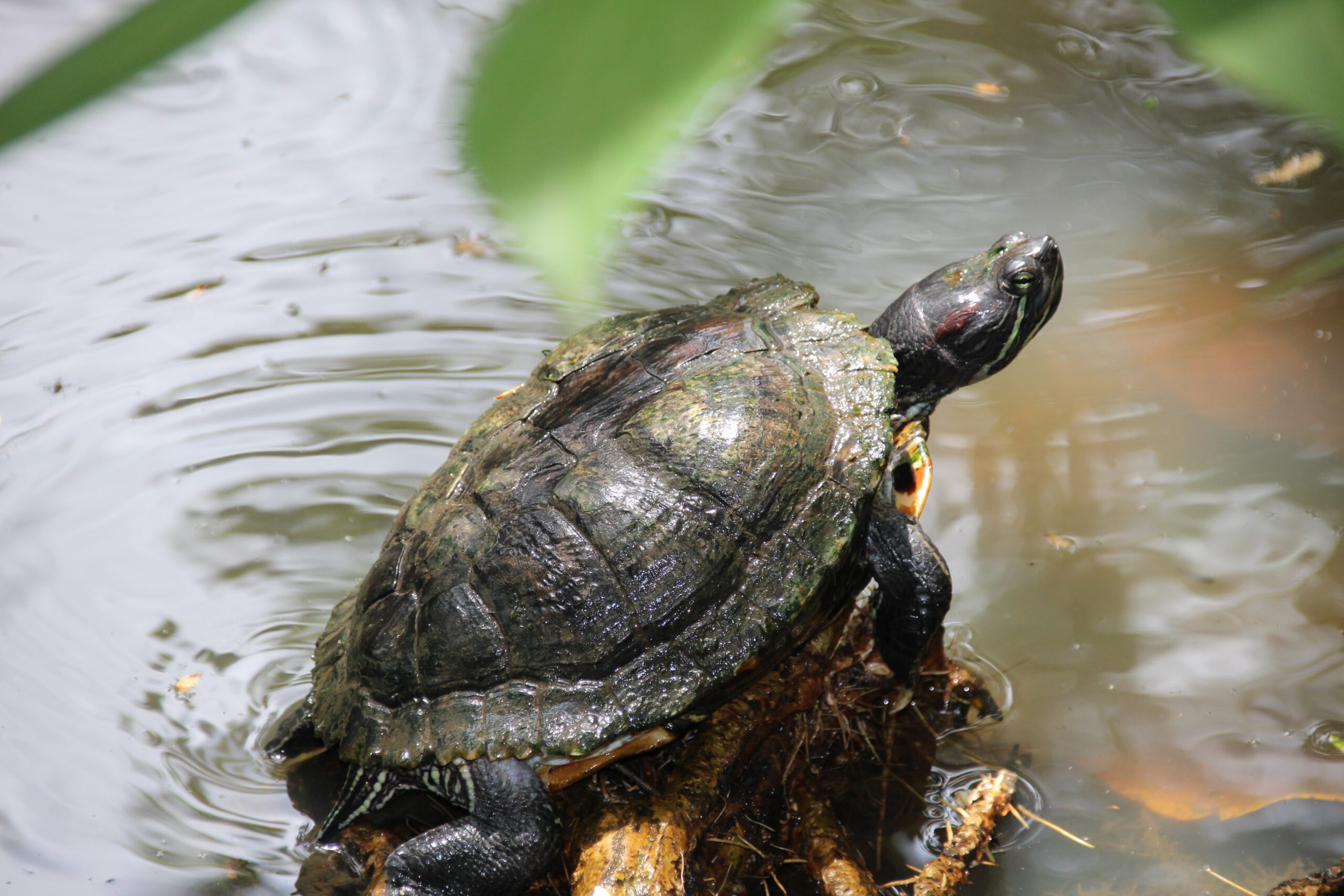
Located just a few kilometers from downtown Panama City, Metropolitan Natural Park covers approximately 573 acres of tropical rainforest. Home to a rich variety of flora and fauna, the park hosts over 200 species of birds, various mammals (like sloths and monkeys), and plant species. Several well-marked trails for hiking and walking provide stunning views of the city skyline and the Panama Canal. If you’re a birdwatcher, don’t miss the chance to identify species like toucans, parrots, and hummingbirds at this unique natural reserve.
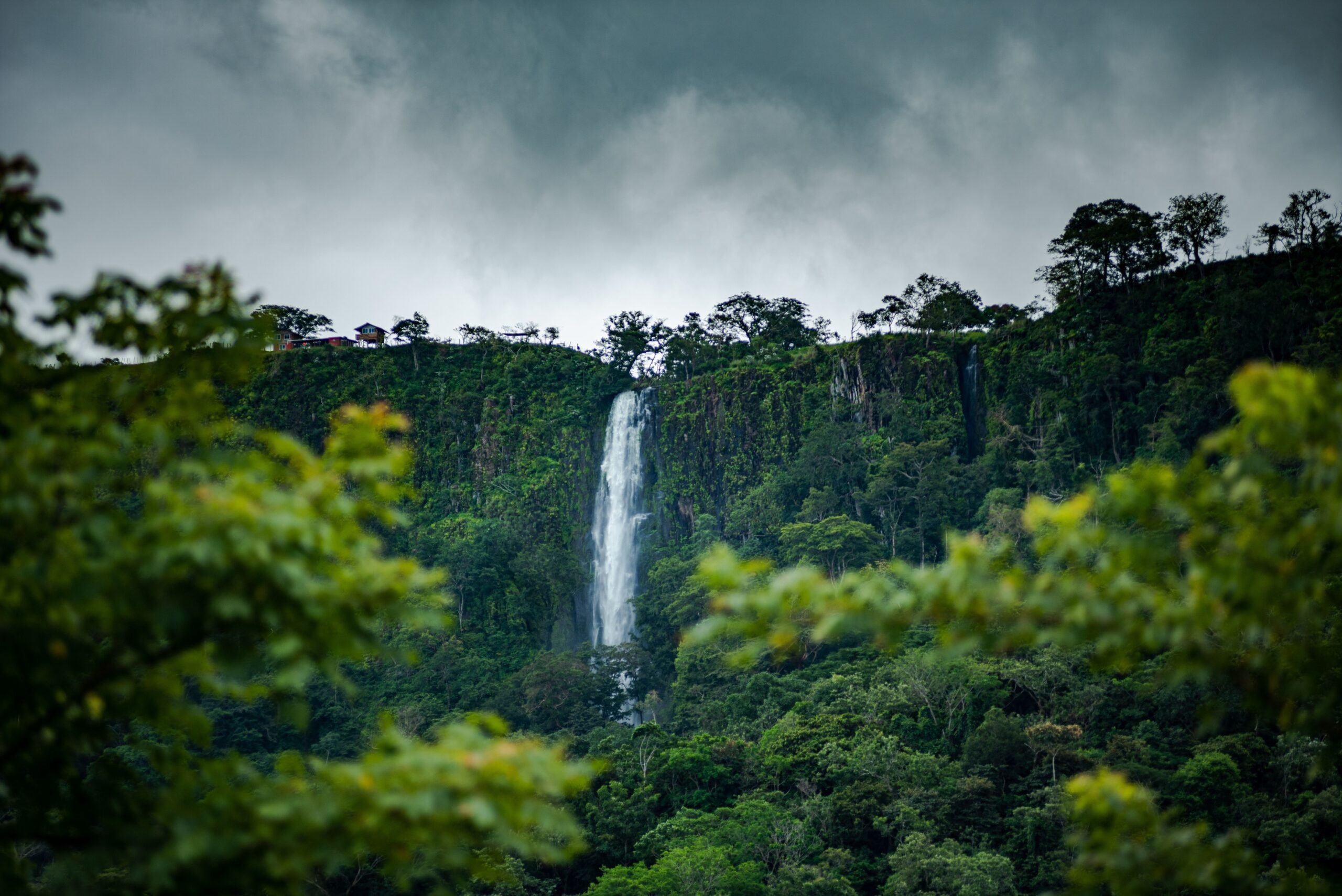
Nestled within the crater of an extinct volcano, El Valle de Anton is a town renowned for its natural beauty, rich animal and plant life, and exceptional climate. A popular destination for tourists and locals alike, the settlement is about 75 miles west of Panama City and 1,970 feet above sea level. Its height cultivates a cooler climate compared to coastal areas, and the mountains and forests surrounding it contribute to the sense of freshness beloved by visitors. Hike to the La India Dormida mountain formation, which resembles a sleeping woman. You can also check out El Chorro de las Mozas, a beautiful waterfall popular with swimmers located a short hike from the town. Several natural hot springs are a relaxing respite and envelop guests in warm mineral-rich waters.
Part of Coiba National Park, Coiba Island is just one of many smaller islands situated in the Gulf of Chiriqui. It is the largest island in Central America and covers about 50,000 acres. Designated a UNESCO World Heritage Site in 2005, the island is home to highly unique ecosystems, including many endemic species that thrive in tropical forests, mangroves, coral reefs, and marine biospheres. Howler monkeys, white-tailed deer, and numerous birds like the scarlet macaw also call the island home.

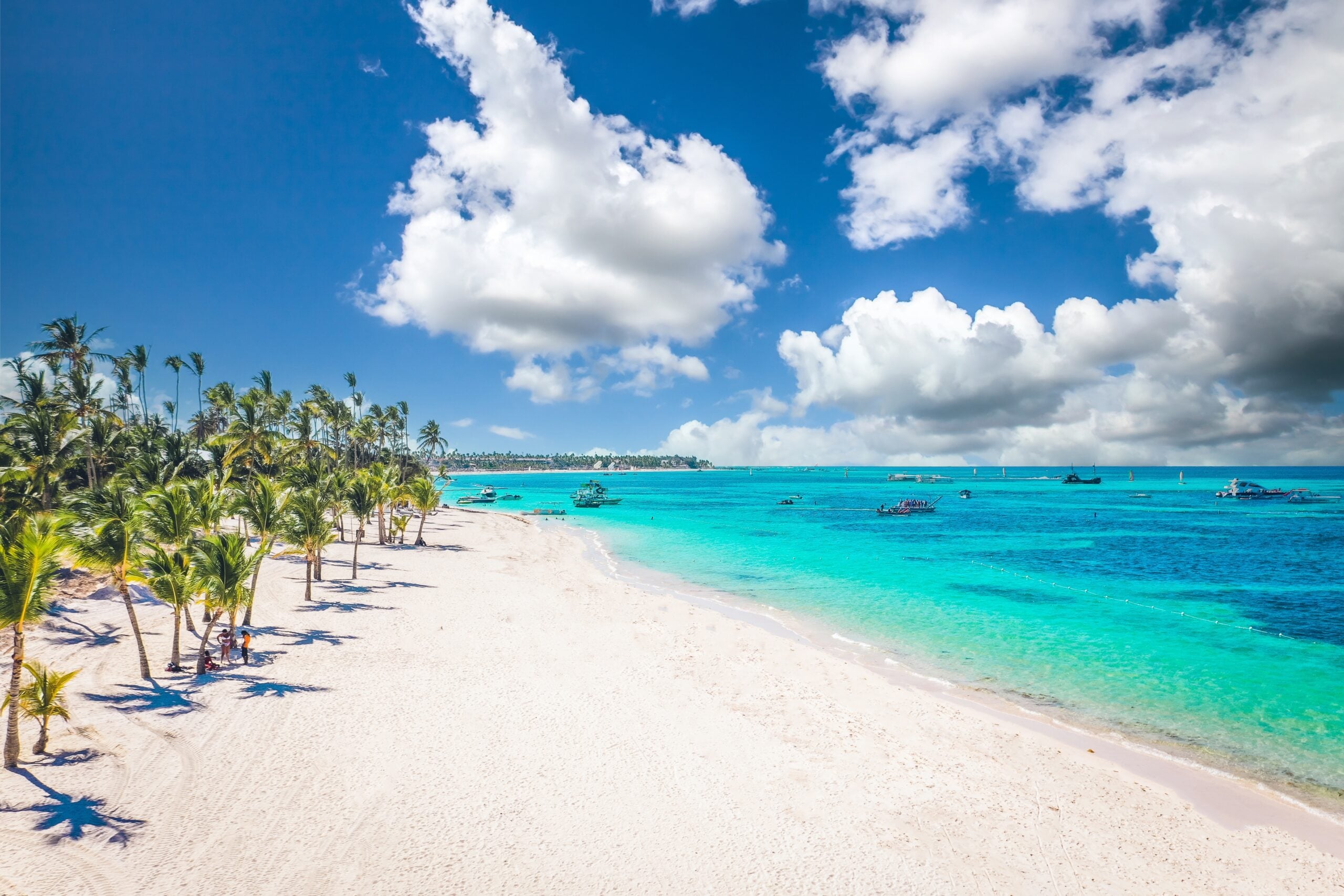



Discovering the Wild Side of Panama City Panama City is famous for its skyline and the Panama Canal, but beyond the ci[...]
Panama
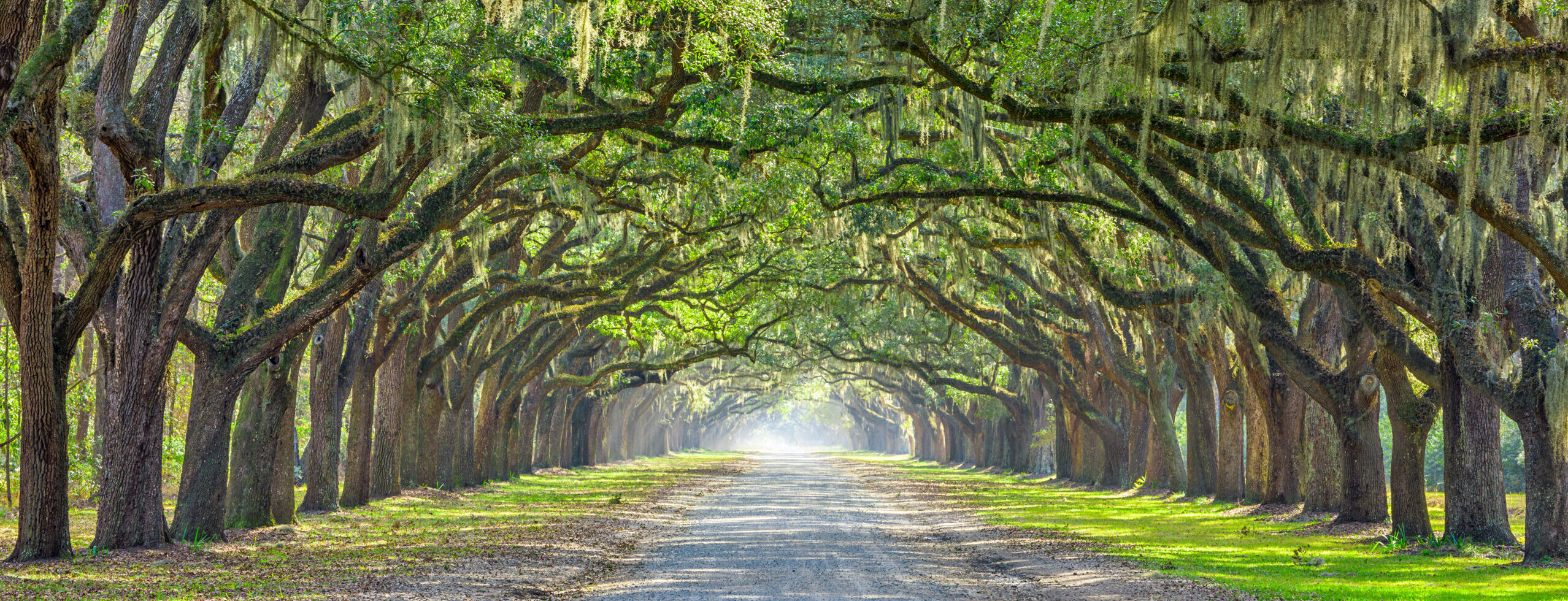
Savannah blends Southern charm, fascinating history, beautiful architecture, and scenic coastal surroundings into one mem[...]
Savannah United States
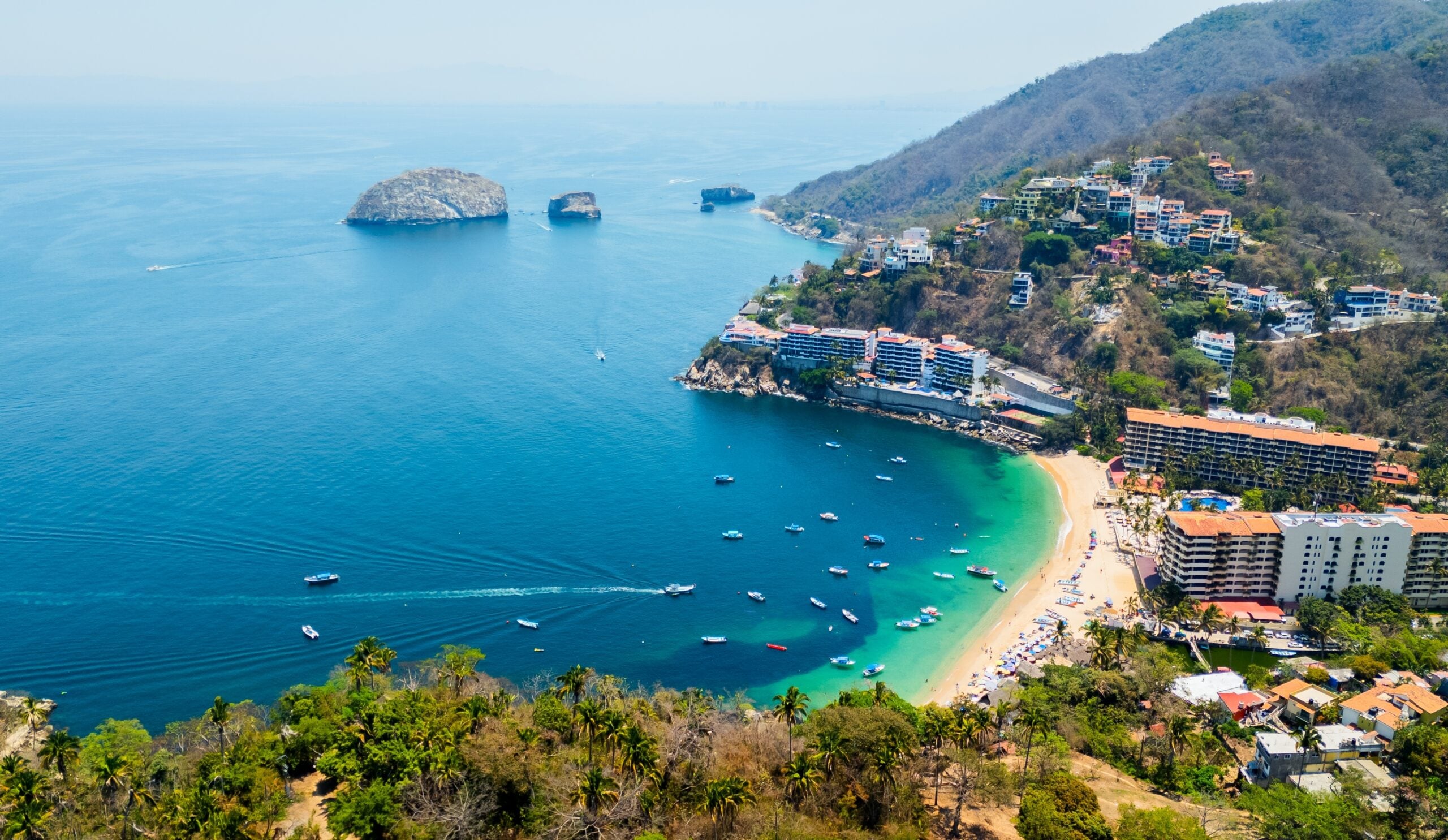
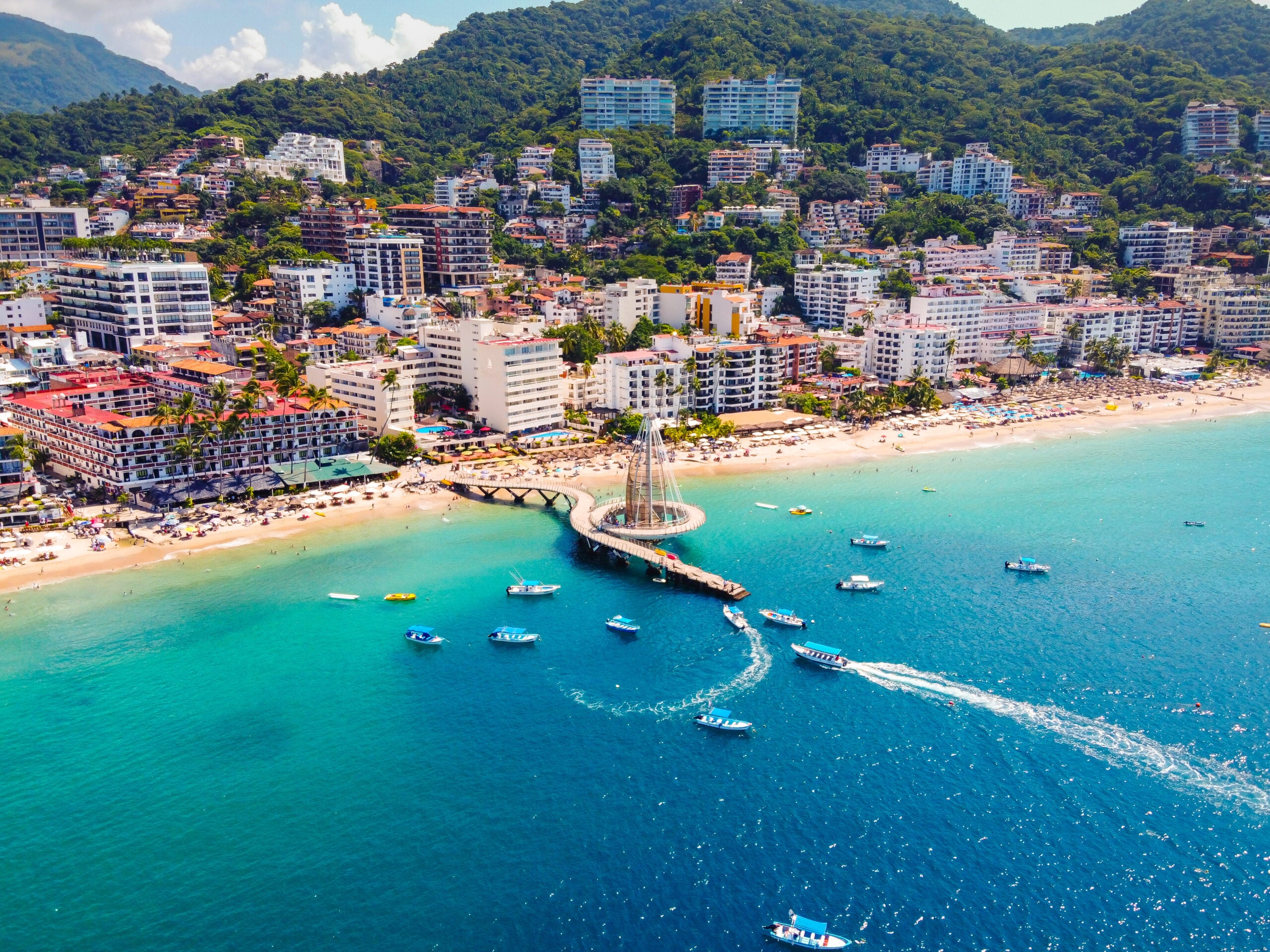
Puerto Vallarta combines golden beaches, lush mountains, Mexican culture, and exciting outdoor adventures along Mexico's [...]
Mexico Puerto Vallarta

The pickup personnel was very punctual and it was a nice smooth ride to the meeting point. The journey on the bus was scenic and exciting all the way until we made it to the dock to board the Pacific Queen. Then we were off to sailing and then transitioning the Panama Canal. The...
Excellent trip, well organised and delivered exactly the experience promised. Excellent communication ahead of the trip - pick up and drop off worked well. This is a really unique experience - you won’t regret booking!
The pickup from our downtown hotel was perfect. Cruise departed punctually. Breakfast and lunch were plenty and fresh. Guide with commentary on actual locations was great! The only delay was on the bus back to Panama City which took extraordinarily long due to traffic - almost 2 ...