The Eiffel Tower is a stunning architectural marvel that rises gracefully above the Paris skyline, offering unforgettable views of the city, including the Seine River and the distant Sacré-Cœur Basilica.
The Eiffel Tower is a crown jewel of Paris, a city rich in history, culture, and timeless elegance. Located on the Champ de Mars near the Seine, it blends classical beauty with industrial innovation. Built during a vibrant cultural era, it reflected Paris’s role as Europe’s artistic and intellectual center. Today, it attracts millions yearly, offering unmatched views and a symbol of Paris’s bold architectural spirit.
Construction began in 1887 and finished in 1889 under engineer Gustave Eiffel’s direction. His company won the design competition for the 1889 Exposition Universelle, marking 100 years since the French Revolution. At 300 meters tall, it was then the world’s tallest man-made structure. It held that record for more than 40 years.
The tower’s iron lattice design caused controversy when first unveiled. Many Parisians and artists called it unattractive and too industrial. However, public opinion shifted, and it became a beloved icon of Paris. Gustave Eiffel kept a small office at the top, where he welcomed guests and performed weather experiments.
Built from over 18,000 iron pieces and held together with 2.5 million rivets, the tower was an engineering marvel. The project employed 300 workers and took just over two years to complete. Every detail required careful planning to ensure the tower’s safety and strength.
Over the years, the tower served more than tourism. During World War I, its antenna supported crucial military communications. It narrowly avoided demolition several times but was always preserved. This reflects its growing importance in French heritage and identity.
Originally painted Venetian red, the tower changed colors several times over the years. Today, it shines in “Eiffel Tower Brown,” a bronze tone. Every seven years, it’s repainted by hand, using 60 tons of protective paint. This process keeps the structure strong and looking fresh.
At night, the Eiffel Tower becomes even more magical. Since 1985, it sparkles every hour after dark, lighting up the Paris sky. This stunning light show lasts five minutes and delights both tourists and Parisians alike. It adds beauty and wonder to the city’s nighttime atmosphere.
The Eiffel Tower is more than an attraction—it symbolizes human creativity and ambition. Visiting it is like stepping into French history. Forged in revolution, shaped with elegance, and built to inspire—it remains a symbol of lasting innovation.
Hidden Tales of the Eiffel Tower
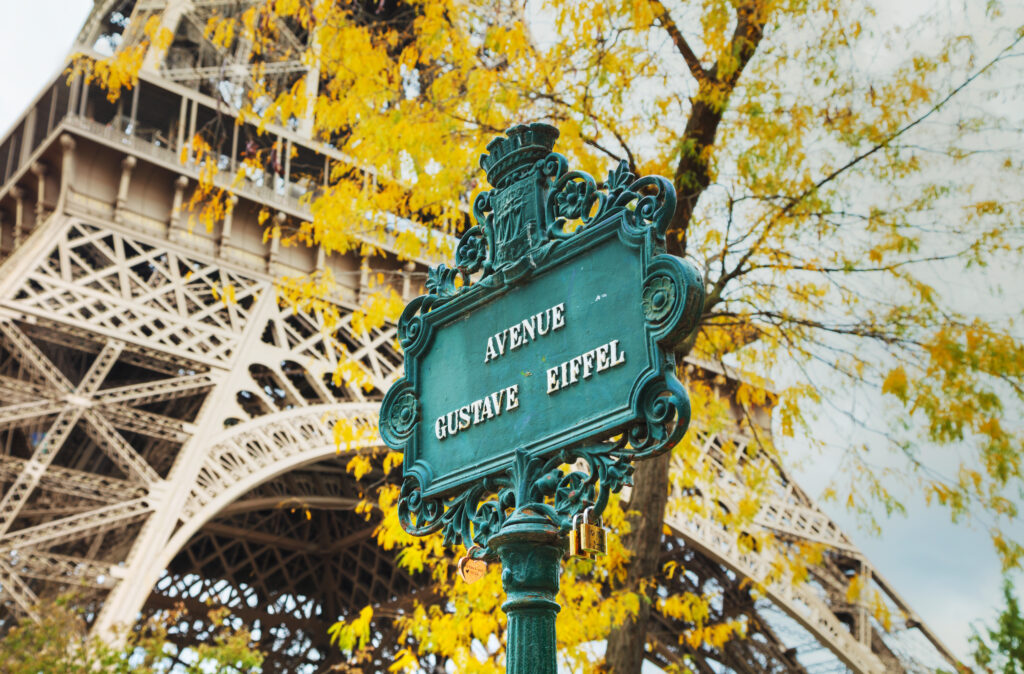
Gustave Eiffel’s Secret Apartment
At the very top of the Eiffel Tower, Gustave Eiffel created a small private apartment for himself — a little-known feature of the iconic landmark that surprises many visitors. Tucked away among the iron beams, the apartment was modest in size but tastefully decorated, featuring wooden furniture, patterned wallpaper, and even a grand piano. It provided Eiffel with a quiet retreat high above the bustling streets of Paris.
Far from being just a personal sanctuary, the apartment also served as a space to host prestigious guests. One of the most famous visitors was the American inventor Thomas Edison, who presented Eiffel with a phonograph during his visit — a moment that symbolized the merging of two great minds of innovation. For many years, the existence of the apartment remained a little-known fact, and it was off-limits to the public.
Today, while visitors can’t step inside, the apartment has been carefully preserved and is visible through a small viewing window on the tower’s top level. It remains one of the Eiffel Tower’s most charming hidden gems — a glimpse into the personal world of the man behind the masterpiece.
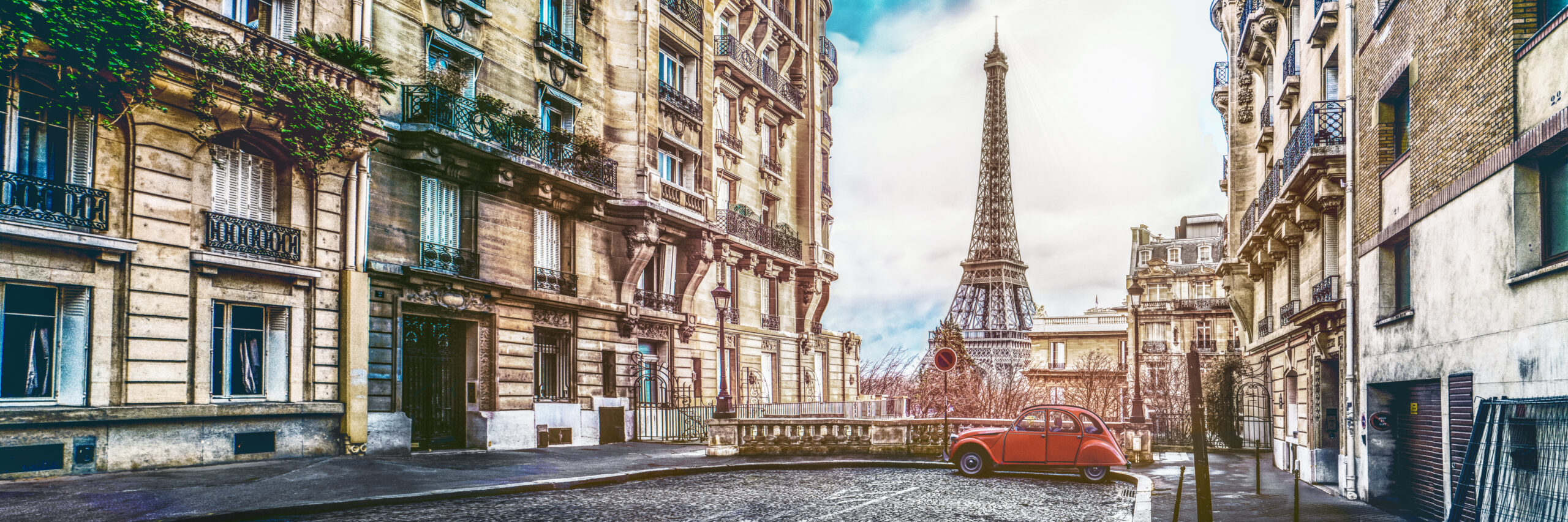
VISIT THE EIFFEL TOWER WITH A CITY TOUR IN PARIS
A Tower That Helped Win a War
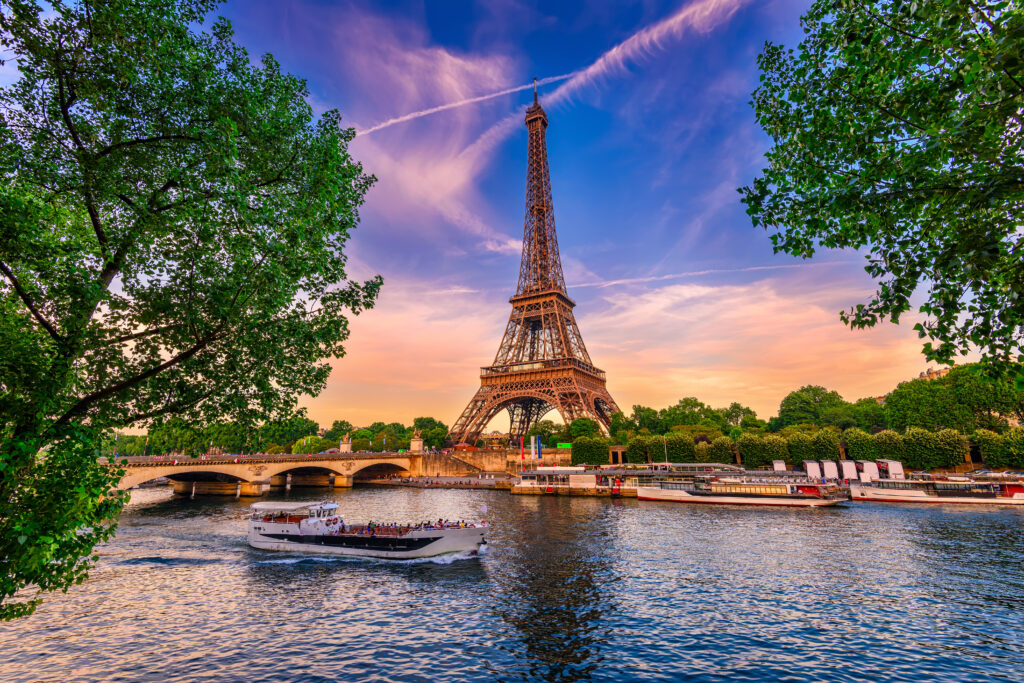
The Eiffel Tower in World War 1
During World War I, the Eiffel Tower took on a critical role far beyond its status as a cultural landmark. In 1914, as the war intensified, a powerful radio transmitter was installed on the tower. This equipment allowed the French military to intercept enemy communications, providing crucial intelligence at a pivotal moment in the conflict.
One of the most significant outcomes of this strategic advantage occurred during the First Battle of the Marne. The intercepted messages helped the French army anticipate German movements and ultimately halt their advance toward Paris. This moment marked a turning point in the war and highlighted the tower’s unexpected importance in national defense.
Because of its newfound military value, the Eiffel Tower — which had once faced criticism and even plans for demolition — was spared. Its role in wartime communication helped solidify its place not only as a symbol of French innovation but also as a vital asset to the nation’s security.
EXPLORE THE EIFFEL TOWER WITH A CRUISE
Ready to Discover the Eiffel Tower Like Never Before?
The Eiffel Tower is more than just a monument — it’s a masterpiece of history, architecture, and Parisian charm. From its hidden stories and legends to its breathtaking views and timeless elegance, there’s something magical waiting at every level.
With Gray Line, you won’t just visit the Eiffel Tower — you’ll experience it. Our expertly curated tours offer skip-the-line access, insightful guides, and the chance to see Paris from a whole new perspective. Whether it’s your first time in the City of Light or a return to a beloved favorite, we make your visit seamless, memorable, and truly special.
So why wait? Let us show you the Eiffel Tower — the Gray Line way.
EXPERIENCE THE HEARTBEAT OF PARIS