Rome has nearly 3,000 years of history, and no single day could ever hold all of it. But with the right Rome day tours, one day is enough to stand beneath Michelangelo’s Sistine Chapel ceiling, walk through the arches of the Colosseum and toss a coin into the Trevi Fountain before bed.
We’ve put together our ideal itinerary for one day in Rome. It pairs two of Gray Line’s most popular guided tours, the Vatican Museums & Sistine Chapel Guided Tour in the morning and the Colosseum & Roman Forum Guided Tour in the afternoon. The hours in between are filled with the piazzas, pasta and gelato that make the Eternal City so easy to fall for.
Legend says Romulus founded Rome on the Palatine Hill in 753 BC. Over the centuries that followed, it became the capital of an empire, the home of the Catholic Church and an open-air gallery of Renaissance and Baroque art. That layering is exactly why a guide matters here. In a city where almost every street corner has a story, an expert local guide turns a crowded day of sightseeing into one you’ll actually understand and remember.
Your One Day in Rome at a Glance
This plan works Monday through Saturday, because the Vatican Museums are closed on most Sundays. Tour start times vary by date, so book the earliest Vatican slot available and an early afternoon Colosseum slot.
- 7:00 am – Cornetto and cappuccino in Prati
- 8:00 am – Vatican Museums & Sistine Chapel Guided Tour (3 hours)
- 11:45 am – St. Peter’s Square and St. Peter’s Basilica
- 12:45 pm – Lunch in the Borgo
- 1:45 pm – Metro across the city to the Colosseum
- 2:30 pm – Colosseum & Roman Forum Guided Tour (3 hours)
- 6:00 pm – The Pantheon and a gelato stop
- 7:00 pm – Aperitivo in Piazza Navona
- 8:30 pm – Dinner in Trastevere
- 10:30 pm – A late-night coin toss at the Trevi Fountain
Early Morning: Cornetto and Cappuccino in Prati
A Roman breakfast is quick, sweet and taken standing up. Order a cornetto, the Italian cousin of the croissant, and a cappuccino at the counter of any neighborhood bar. Drinking it al banco, at the bar rather than at a table, is how locals do it and it usually costs less. Enjoy that cappuccino now, too: Romans rarely order one after late morning.
Prati, the elegant neighborhood just east of Vatican City, is the perfect place to start. Its wide, leafy streets were laid out after Rome became the capital of a unified Italy in 1871, and today they’re lined with cafés that open early. Sciascia Caffè on Via Fabio Massimo has been serving coffee since 1919 and is famous for its caffè al cioccolato, an espresso poured into a cup lined with melted dark chocolate. From here, the meeting point for your Vatican tour is only a short walk away.
Morning: Vatican Museums & Sistine Chapel Guided Tour
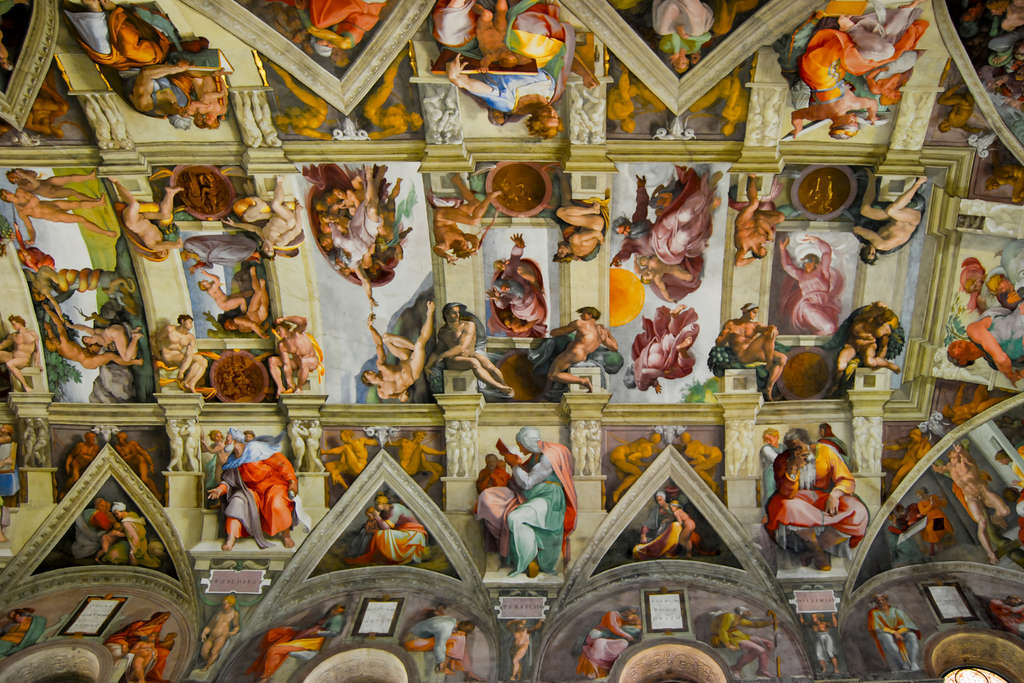
Start your day in the smallest country in the world. Vatican City covers just over 100 acres, yet it holds one of the greatest art collections on earth, and the earlier you arrive, the more breathing room you’ll have inside.
The Vatican Museums trace their beginnings to 1506, when Pope Julius II put the newly unearthed Laocoön sculpture on display. Today, roughly 20,000 works line miles of corridors, which is exactly why a guide is worth it. On the 3-hour Vatican Museums & Sistine Chapel Guided Tour, an expert guide leads you straight to the highlights so you don’t lose your morning to wrong turns.
You’ll walk beneath the gilded ceiling of the Gallery of Maps, where 40 frescoed maps show Italy as it was understood in the 1580s. In the Raphael Rooms, you’ll find The School of Athens, painted between 1509 and 1511, with Plato and Aristotle at its center. Then comes the grand finale: the Sistine Chapel.
Built for Pope Sixtus IV in the 1470s, the chapel is still where cardinals gather to elect a new pope. Michelangelo spent four years, from 1508 to 1512, painting its ceiling, including the famous Creation of Adam. He returned more than two decades later to paint The Last Judgment across the altar wall. Your guide will explain the stories in the frescoes before you enter, because once inside, the chapel asks visitors to stay quiet, and photography is not allowed.
A few things to know before you go:
- Shoulders and knees must be covered to enter the Vatican Museums and St. Peter’s Basilica.
- Tickets are issued by name, so have each guest’s first name and surname ready when you book.
- Wear comfortable shoes. You’ll be on your feet for most of the morning.
Midday: St. Peter’s Square and a Roman Lunch
When your tour ends, take a few minutes to walk around to St. Peter’s Square. Gian Lorenzo Bernini designed its sweeping colonnade between 1656 and 1667, with four rows of columns curving out like two arms to welcome visitors. Look up and you’ll see 140 statues of saints watching over the piazza from the rooftop.
Entry to St. Peter’s Basilica is free, though you’ll pass through a security line first. If it’s moving, step inside to see Michelangelo’s Pietà, carved when he was in his early twenties, and the soaring dome he designed late in life. If the line is long, the square itself is more than worth the stop.
By now you’ll be hungry. The narrow streets of the Borgo, the old neighborhood between St. Peter’s and Castel Sant’Angelo, are full of trattorias that serve Rome’s four classic pastas:
- Carbonara, made with guanciale (cured pork cheek), egg yolk and pecorino romano
- Cacio e pepe, simply pecorino and black pepper, emulsified into a glossy sauce
- Amatriciana, guanciale and tomato with a little chili
- Gricia, the oldest of the four, often described as carbonara without the egg
Add a supplì, a fried rice ball with a molten mozzarella center, as a starter. Romans call it supplì al telefono because the cheese stretches like a telephone cord when you pull it apart.
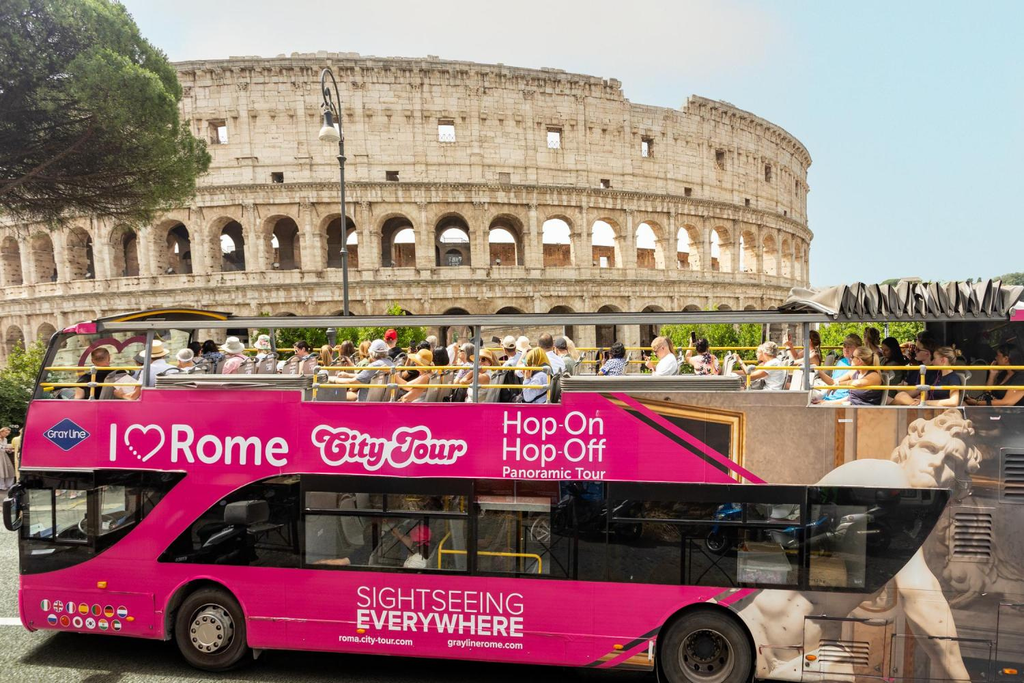
After lunch, head to Ottaviano station for the short metro ride across the city. Take Line A to Termini, then change to Line B for two stops to Colosseo. Allow about 40 minutes door to door. If you’d rather see the city on the way, the I Love Rome hop-on hop-off bus links Rome’s major sights with commentary as you ride.
Afternoon: Colosseum & Roman Forum Guided Tour
You spent the morning with the Renaissance. This afternoon, you’ll step back another 1,500 years into the heart of the Roman Empire.
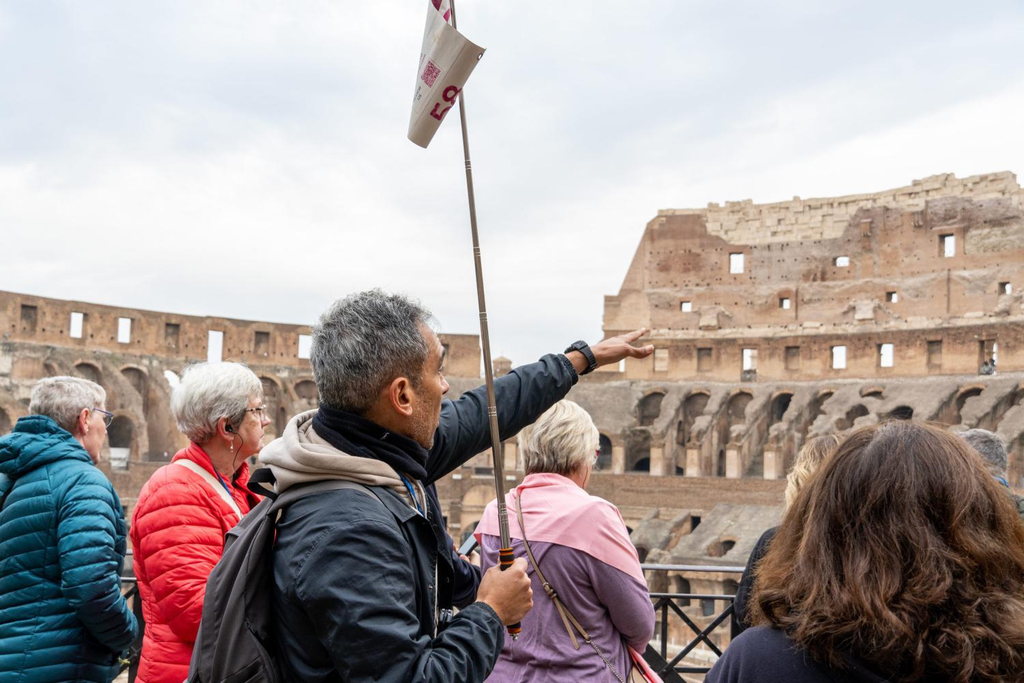
The Colosseum & Roman Forum Guided Tour covers the Colosseum, the Roman Forum and Palatine Hill in about three hours. Groups are limited to 20 people, and wireless headsets mean you’ll hear every word from your guide, even in the busiest corners of the amphitheater.
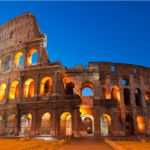
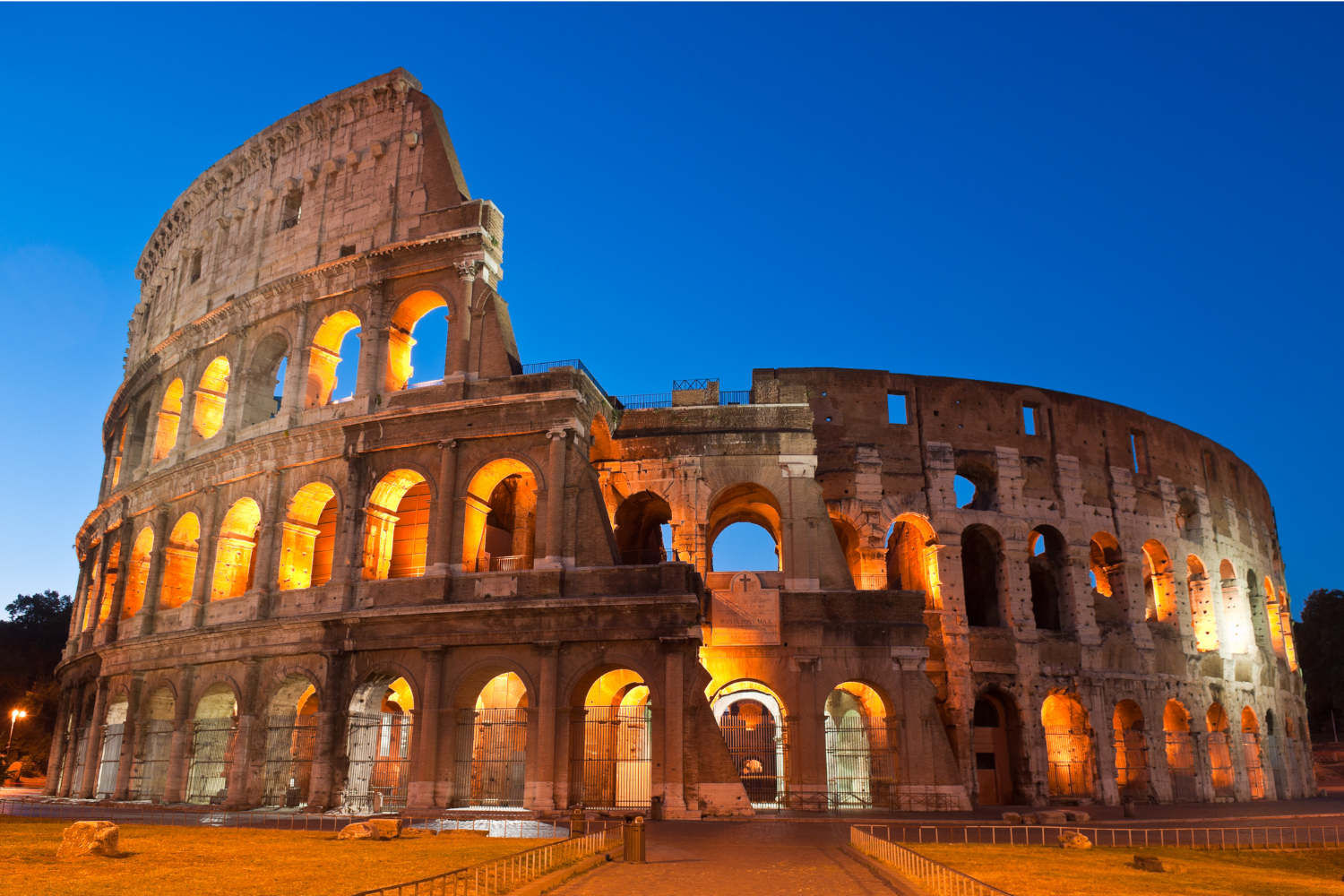
The Colosseum was begun by Emperor Vespasian around AD 70 and opened by his son Titus in AD 80 with 100 days of games. It’s believed to have held around 50,000 spectators, who were seated by social rank and shaded by enormous canvas awnings. Beneath the arena floor lay the hypogeum, a maze of tunnels and lifts that raised animals and gladiators into view as if by magic. Its official name was the Flavian Amphitheatre. The nickname we use today most likely comes from a colossal bronze statue of Nero that once stood nearby.
From there, you’ll walk the Via Sacra into the Roman Forum, the political, religious and commercial center of ancient Rome. Your guide will point out the Arch of Titus, built to celebrate the capture of Jerusalem in AD 70, and the eight surviving columns of the Temple of Saturn, which once guarded the state treasury. Above it all rises Palatine Hill, where Rome’s emperors built their homes. It gave its name to the word palace, and its terraces offer one of the best views over the Forum.
Before you go, keep these tour requirements in mind:
- Bring your passport. It’s required for entry on the day of the tour.
- Pack light. Bulky bags, trolleys and glass bottles aren’t allowed, and there’s no cloakroom.
- Expect uneven ground. The ancient paths are cobbled and hilly, and the sites are not wheelchair accessible.
Early Evening: The Pantheon, Gelato and Piazza Navona
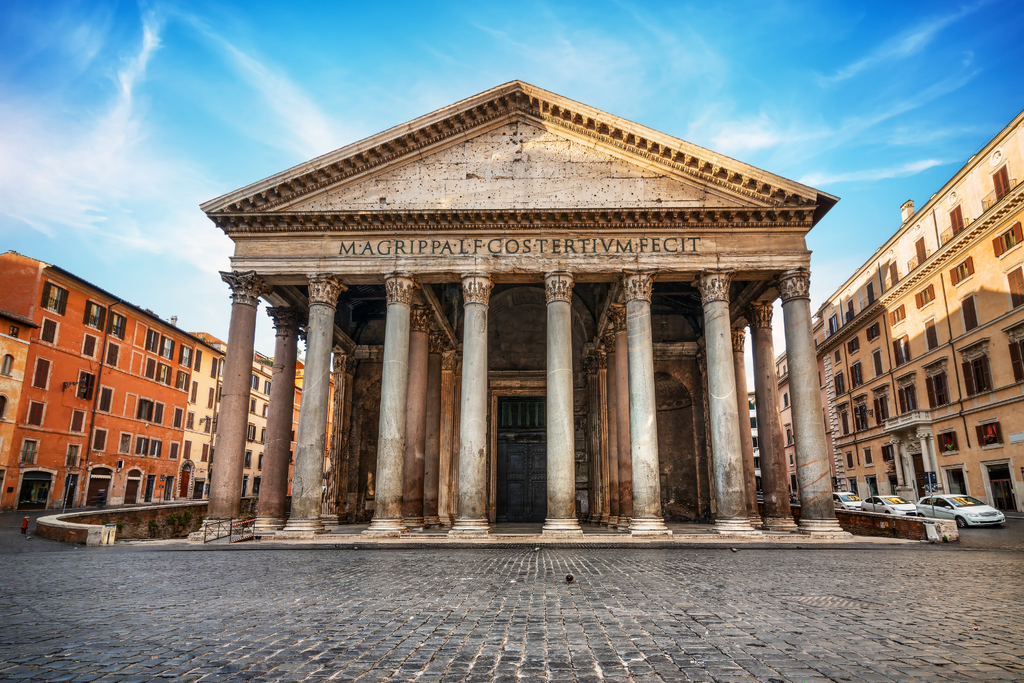
From the Forum, it’s an easy 25-minute walk to the Pantheon. Follow Via dei Fori Imperiali past the ruins of Trajan’s Forum to Piazza Venezia, where the gleaming white Vittoriano monument earned the nickname “the wedding cake” from Romans.
The Pantheon is one of the best-preserved buildings of the ancient world. The temple you see today was rebuilt under Emperor Hadrian around AD 125, and nearly 1,900 years later its dome is still the largest unreinforced concrete dome on earth. It measures about 43 meters across, exactly the same as its height, and its only light pours in through the open oculus at the top. It became a church in 609, which helped save it, and it’s the resting place of the painter Raphael. Entry costs €7, and the doors close at 7 p.m. with last entry roughly 45 minutes earlier, so head here first.
Just around the corner, Giolitti has been scooping gelato since 1900. Pick two flavors (pistachio is a safe bet), then wander five minutes west to Piazza Navona.
The long oval shape of Piazza Navona isn’t an accident. It follows the outline of the Stadium of Domitian, built in AD 86 for athletic contests. At its center stands Bernini’s Fountain of the Four Rivers, completed in 1651, with giant figures representing the Nile, the Ganges, the Danube and the Río de la Plata. Find a table on the square for aperitivo, Rome’s early evening ritual of a spritz or a glass of wine served with small bites, and watch the street artists and musicians as the light fades.
Night: Dinner in Trastevere and the Trevi Fountain
For dinner, cross the Tiber on Ponte Sisto. The footbridge was built in the 1470s for Pope Sixtus IV, the same pope who gave his name to the Sistine Chapel you visited this morning. On the other side lies Trastevere, whose name simply means “across the Tiber.”
This is one of Rome’s most charming neighborhoods, with ivy-covered buildings, cobbled lanes and trattorias spilling onto the street. Before you sit down, step into Santa Maria in Trastevere, one of the oldest churches in the city, to see its glittering medieval mosaics. Then find a table and order the Roman classics you didn’t have room for at lunch. Da Enzo al 29 is a local favorite for cacio e pepe and carbonara, but it’s small and doesn’t take every booking, so arrive early or be ready to wait.
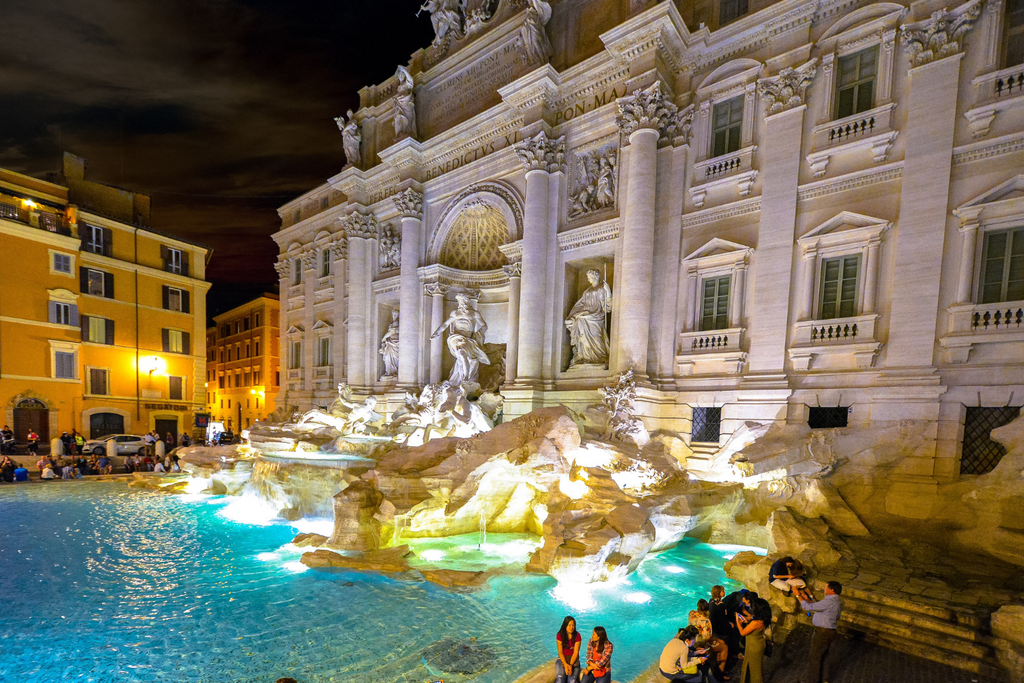
End the night where so many trips to Rome end: at the Trevi Fountain. It’s about a 15-minute taxi ride from Trastevere, and it’s at its most magical after dark. Designed by Nicola Salvi and completed in 1762, the fountain is still fed by the Aqua Virgo, an aqueduct first built in 19 BC.
Since February 2026, visitors pay €2 (by card) to step down to the basin between 9 a.m. and 10 p.m. Arrive after 10 p.m. and you can walk right up to the water, with far smaller crowds. Tradition says that if you toss a coin over your left shoulder with your right hand, you’re guaranteed to return to Rome. The coins are collected and donated to charity, so make your wish a generous one.
Tips for Planning Your Rome Day Tours
- Book both tours before you travel. Morning Vatican slots and afternoon Colosseum slots are the first to fill, especially from spring through early fall. Both are listed with free cancellation, and the Colosseum tour is fully refundable up to 24 hours before departure.
- Visit in shoulder season. April, May, October and early November bring milder temperatures and thinner crowds than the peak of summer.
- Refill, don’t buy. Rome’s nasoni, the small cast-iron fountains found on street corners all over the city, pour fresh, cold drinking water for free.
- Dress for the whole day. A light scarf or layer covers your shoulders at the Vatican and comes off again for the warm walk through the Forum.
Frequently Asked Questions
Can you see the Vatican and the Colosseum in one day?
Yes. With a 3-hour guided tour of the Vatican Museums in the morning and a 3-hour Colosseum tour in the afternoon, you’ll still have time for lunch, the metro ride between them, and an evening in the historic center.
Should I visit the Vatican or the Colosseum first?
Start with the Vatican. The museums get busier as the day goes on, and the Forum and Palatine Hill are at their most beautiful in the softer light of late afternoon.
What do I need to bring?
Your passport for the Colosseum, clothing that covers your shoulders and knees for the Vatican, comfortable walking shoes, and a small bag. Large bags aren’t allowed at the Colosseum.
Can I follow this itinerary on a Sunday?
The Vatican Museums are closed on Sundays, apart from the last Sunday of the month, when entry is free, and crowds are very heavy. Plan your one day in Rome for Monday through Saturday if you can.
What if I have more than one day?
Add one of Gray Line’s day trips from Rome. Full-day tours to Pompeii or to Capri and the Blue Grotto leave from the city and include hotel pick-up options, so a second day can take you to the Bay of Naples and back.
Make the Most of Your Day in the Eternal City
One day won’t show you all of Rome, but it will show you why so many travelers promise to come back. Masterpieces in the morning, gladiators in the afternoon and a coin in the Trevi Fountain under the night sky make for a day you’ll talk about for years.
Gray Line has been showing visitors around Rome for more than 95 years, and our local guides know exactly how to fit the city’s greatest sights into the time you have. Browse all of our Rome tours to start planning your perfect day.